Twisted Memories
Play Twisted Memories
Twisted Memories Screenshots

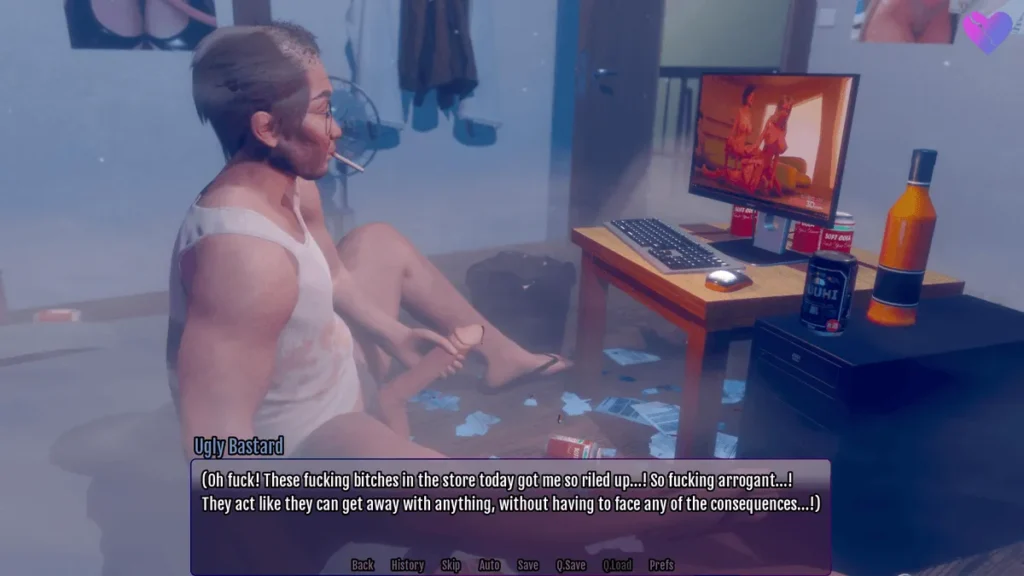
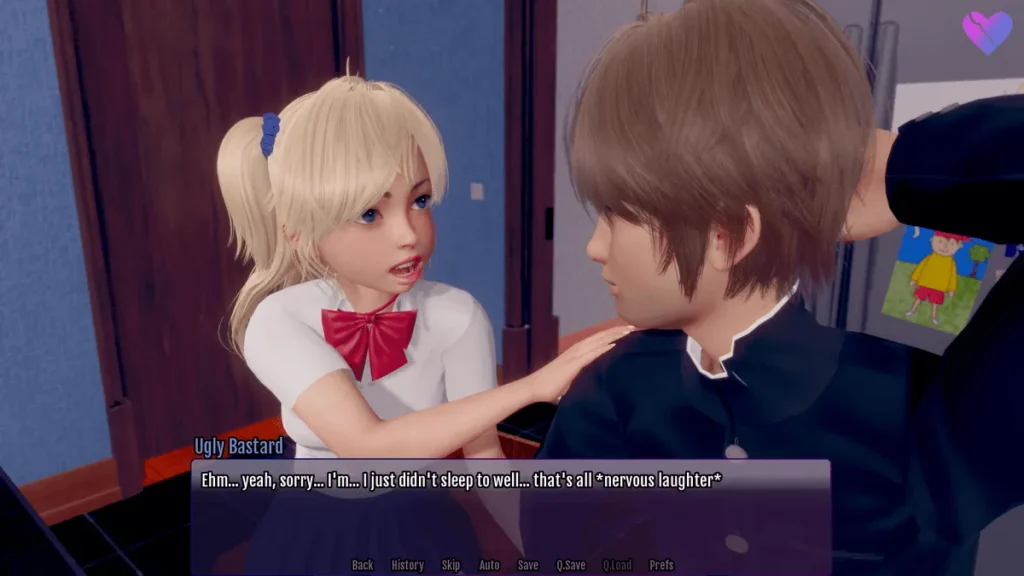



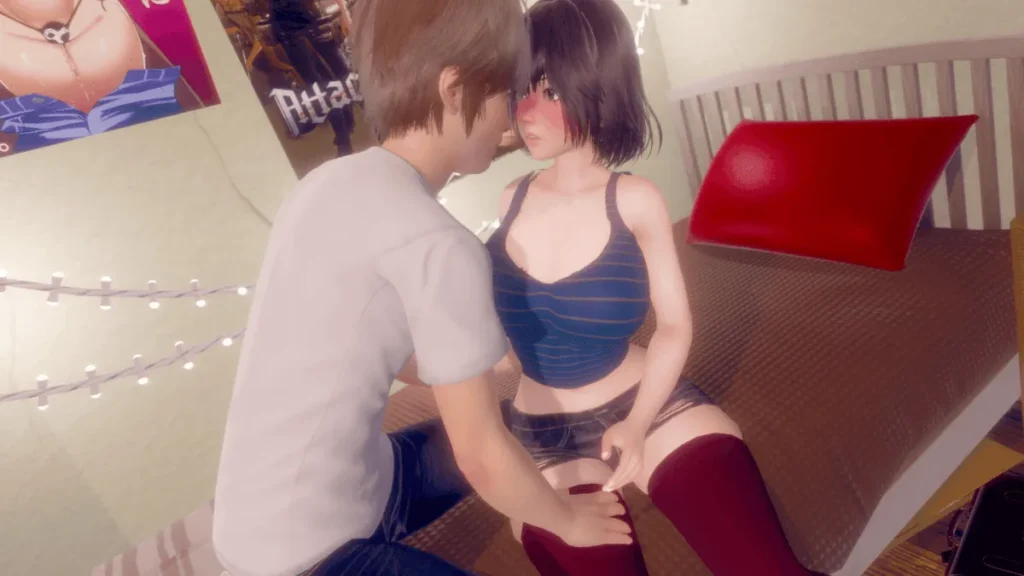

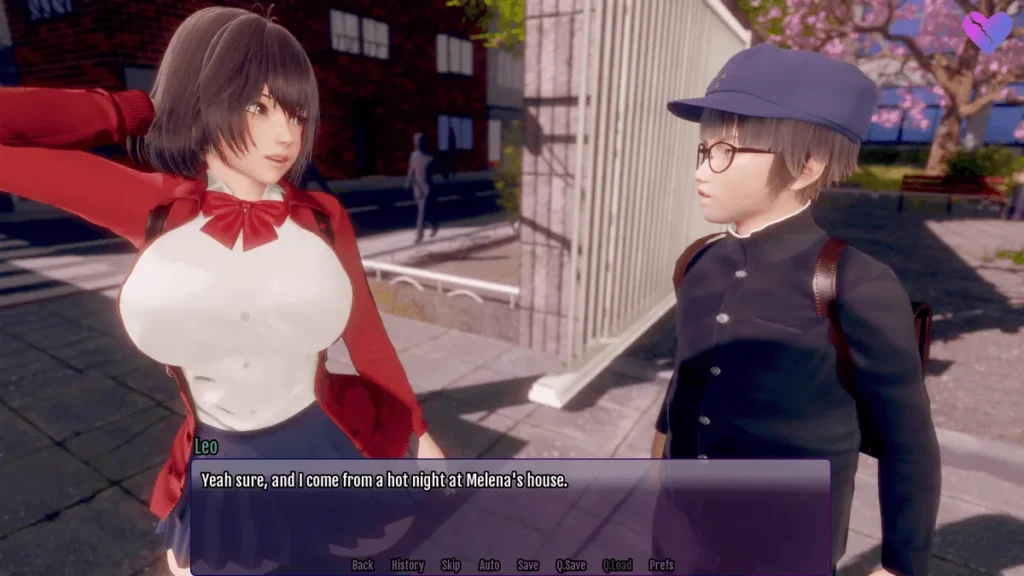
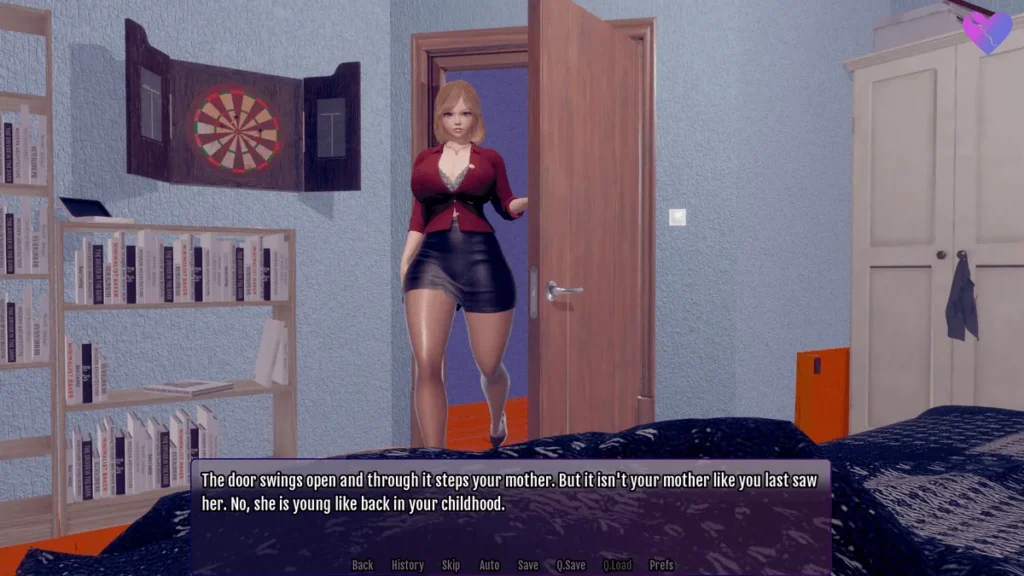
Twisted Memories review
A complete walkthrough of the psychological visual novel experience
Twisted Memories stands out as a provocative psychological visual novel that challenges conventional storytelling through its unique premise and complex narrative structure. The game follows a middle-aged protagonist who mysteriously finds himself transported back into his teenage body, retaining all the memories, regrets, and bitterness of his older self. This distinctive setup creates an internal conflict that drives the entire experience, forcing players to navigate relationships and make morally ambiguous decisions. Whether you’re interested in understanding the game’s dark themes, mastering its dialogue-driven mechanics, or exploring character relationships, this guide provides everything you need to know about this compelling and controversial title.
Understanding the Core Premise and Story of Twisted Memories
Ever wished you could go back and do it all over again? 🕰️ Most of us have had that fantasy—a chance to fix our mistakes, seize missed opportunities, and sculpt a perfect life from the raw clay of our youth. But what if that second chance wasn’t a gift, but a prison sentence? What if you had to relive your most painful memories, armed with all the bitterness of a life lived poorly? This is the devastatingly brilliant premise at the heart of Twisted Memories.
Forget everything you think you know about time-travel stories. This isn’t a cheerful adventure about getting rich with future knowledge or winning the heart of your childhood crush. The Twisted Memories story premise is a raw, unflinching plunge into a fractured mind. It asks one haunting question: if you knew how badly you would fail, could you even bear to live your life again? 😔 This chapter is your deep dive into the game’s soul, unpacking the psychological visual novel narrative that makes it a uniquely harrowing experience.
The Time Travel Concept and Protagonist Setup
Imagine waking up not just in your old bedroom, but inside your teenage body. The posters on the wall, the unfinished homework, the sound of your family in the next room—it’s all there. But your mind… your mind is a raging storm of four decades of regret, poverty, loneliness, and cynicism. This is the brutal reality for our unnamed protagonist in Twisted Memories. He isn’t a heroic rebel or a charming rogue; he’s a forty-something-year-old man who views his entire existence as a catastrophic failure. No family, no meaningful career, no prospects—just the crushing weight of what could have been.
This setup is the game’s masterstroke. The time travel protagonist character isn’t an eager explorer of history. He’s a prisoner of it. He retains every single memory of his disappointing adulthood, all the resentment and jaded perspectives forged in the fires of his failures. This creates a relentless internal conflict and regret themes from the very first moment. He looks at his young hands, his teenage friends, and his family, but he doesn’t see hope or potential. He sees the origin points of his future misery. He hears a kind word from a parent and filters it through the memory of later estrangement. A simple school assignment is tinted with the knowledge of his future professional irrelevance.
I remember playing my first run, and the protagonist’s internal monologue hit me like a ton of bricks. It wasn’t excitement about changing things; it was a seething, quiet disgust. The game forces you to view this vibrant, youthful world through the lens of a broken, middle-aged psyche. The horror doesn’t come from monsters or jump scares—it comes from this dark narrative storytelling game making you intimately aware of how small, everyday moments can calcify into lifelong regrets. The “time travel” is less about science and more about a psychological breakdown, a desperate and possibly delusional retreat of a mind that can no longer bear its present. 🧠
Pro Tip: Don’t approach this protagonist expecting to like him. Approach him expecting to understand him. His perspective is the entire engine of the story.
This dual perspective—the youthful shell and the ancient, weary soul within—colors every single interaction. When he speaks to his younger peers, there’s a layer of unnatural manipulation. When he deals with adults or authority figures, there’s either a deep-seated contempt or a calculated effort to exploit them. His goal isn’t to build a better world or become a better person. It’s born from a much darker place: the corrosive desire for character motivation and revenge against a life, and the people in it, that he feels wronged him.
Psychological Themes and Internal Conflict
If the setup is the hook, the psychological exploration is the line and sinker. Twisted Memories is less of a game about “doing” and more about “being”—specifically, being trapped in a nightmare of your own making. The core of the psychological visual novel narrative is the dissection of a damaged psyche. The protagonist’s mind is the true setting, and every external event is merely a trigger for internal turmoil.
The game brilliantly explores themes of:
* Self-Loathing and Projection: He hates his future self, so he begins to hate the younger version he now inhabits, and by extension, everyone around him.
* Nihilism vs. Agency: Armed with the “knowledge” that his original choices led to ruin, he grapples with whether any new choice even matters. Is he doomed by character, or can he truly change?
* Moral Decay: His adult cynicism justifies increasingly manipulative and cruel actions in his teenage world. He rationalizes terrible behavior because he’s already lived through the “consequences” and believes he knows how the story ends.
The most potent tool the game uses is the protagonist’s relentless internal monologue. This isn’t just flavor text; it’s the core of the experience. You are constantly privy to his justifications, his bitter observations, and his warped logic. This creates an intense, challenging form of internal conflict and regret themes for the player. You might click a dialogue option that seems neutral or even kind, only to be confronted by his inner thoughts that reveal a selfish, manipulative intent. It forces you to confront a difficult question: are we the sum of our actions, or our intentions? 🤯
The narrative is unafraid to venture into controversial territory, particularly with family dynamics. The protagonist’s view of his family is filtered through the resentment of decades. What might seem like normal parental friction to an outside observer is, to him, evidence of deep betrayal and failure. This aspect of the Twisted Memories plot explanation is crucial—it reflects his damaged psyche. The game doesn’t necessarily present his view as truth, but as his truth, challenging you to decipher what is real memory and what is the distortion of a profoundly unhappy man.
His character traits aren’t just a list on a stat sheet; they are active, driving forces in the narrative. Let’s break down how they directly shape your journey:
| Character Trait | Impact on Story Progression | Impact on Player Experience |
|---|---|---|
| Jaded & Cynical | Locks out naive, optimistic dialogue paths. Opens alternative, often crueler or more apathetic, options for solving problems. NPCs may react with confusion or hurt to his unexpected bitterness. | Creates a constant sense of emotional distance. You may find yourself frustrated by his inability to see hope, making moments of potential genuine connection feel rare and significant. |
| Manipulative | Enables complex social maneuvering. You can play friends and rivals against each other, exploit known future events for personal gain, and orchestrate situations to your advantage. | Makes you feel powerful yet complicit. Success often feels dirty, as you’re using adult cunning to outmaneuver teenagers, leading to moral unease rather than triumph. |
| Self-Serving | Directs the plot toward personal gain (money, status, revenge) rather than altruistic goals. Many story branches prioritize “what helps me” over “what is right.” | Challenges traditional gaming motivations. You’re not encouraged to be the hero, making you constantly question your own choices and desires within the game world. |
| Introspective | Unlocks deep internal monologues and flashbacks, providing crucial pieces of the Twisted Memories plot explanation. This trait is key to understanding *why* he is the way he is. | Offers moments of clarity and, sometimes, pity. These glimpses into the roots of his pain are essential for making the experience feel tragic rather than simply grim. |
How the Narrative Explores Regret and Revenge
Regret is the poison in the protagonist’s veins, and revenge is the flawed antidote he desperately seeks. This is where the Twisted Memories story premise transforms from a sad portrait into a compelling, driving narrative. His motivation isn’t to build a beautiful new life; it’s to burn down the blueprint of the old one and salt the earth. 🌱🔥
Every memory of humiliation, every person he perceives as having contributed to his downfall, becomes a target. This could be a childhood bully, a teacher who underestimated him, or even a family member whose words he carried as a lifelong burden. The character motivation and revenge is deeply personal and petty in the way real human resentment often is. It’s not about grand, theatrical schemes; it’s about making someone feel a fraction of the pain he has carried for years.
But the game is too smart to let revenge be satisfying. Because his perspective is so twisted by regret, his targets are often ambiguous. Is he truly getting back at someone who wronged him, or is he punishing them for his own subsequent failures? The narrative constantly undercuts the purity of his mission. You might succeed in humiliating a rival, only for the protagonist’s inner monologue to reveal a hollow emptiness, or worse, the realization that he has become the very thing he hated.
This loop of regret -> revenge -> emptiness is the brutal core cycle of the dark narrative storytelling game. It explores how regret, when left to fester, doesn’t inspire positive change—it metastasizes into spite. The protagonist isn’t trying to fix his regrets; he’s trying to inflict them on others. He wants the world to feel as broken as he does.
The ultimate brilliance of this Twisted Memories plot explanation is that it forces you to participate in this cycle. Your choices drive these revenge plots forward. You will be given clear opportunities to be cruel, to manipulate, to “win.” And in a standard game, those might be the “fun” bad-guy options. Here, they feel heavy and consequential, not because of a morality meter, but because the writing makes you feel the human cost and the profound sadness behind the action. The revenge never tastes sweet; it tastes like ash.
In the end, Twisted Memories uses its time travel protagonist character not to ask “what would you change?” but “what would change you?” It presents a man so consumed by the ghost of a future that never had to be, that he risks destroying any chance of a different present. It’s a challenging, uncomfortable, and utterly mesmerizing journey into the darkest corners of “what if,” establishing itself as a landmark in psychological visual novel narrative by daring to suggest that sometimes, our worst enemy isn’t fate or circumstance, but the story we convince ourselves we’ve already lived. 😶🌫️
Twisted Memories presents a distinctive take on the visual novel genre by combining time-travel fantasy with psychological depth and moral complexity. The game’s strength lies not in action or quick reflexes, but in its willingness to explore uncomfortable themes through a protagonist whose fractured psyche drives every interaction. From its unique premise of a bitter middle-aged man inhabiting his teenage body to its dialogue-heavy gameplay and consequence-driven decision system, the game challenges players to confront their own moral boundaries. Whether you’re drawn to the strategic relationship-building mechanics, the extensive narrative content, or the psychological exploration of regret and revenge, Twisted Memories offers a thought-provoking experience that rewards careful decision-making and engagement with its complex characters. Understanding the game’s story structure, gameplay systems, and character dynamics will enhance your experience and help you navigate the morally ambiguous choices that define this provocative title.