
Tales from the Deep: Eve
Play Tales from the Deep: Eve
Tales from the Deep: Eve Screenshots


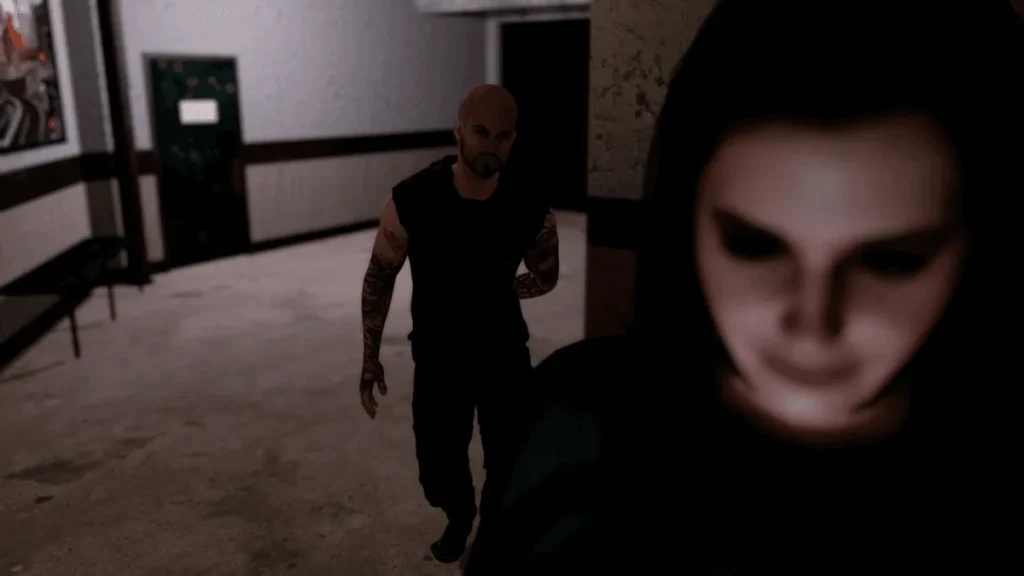




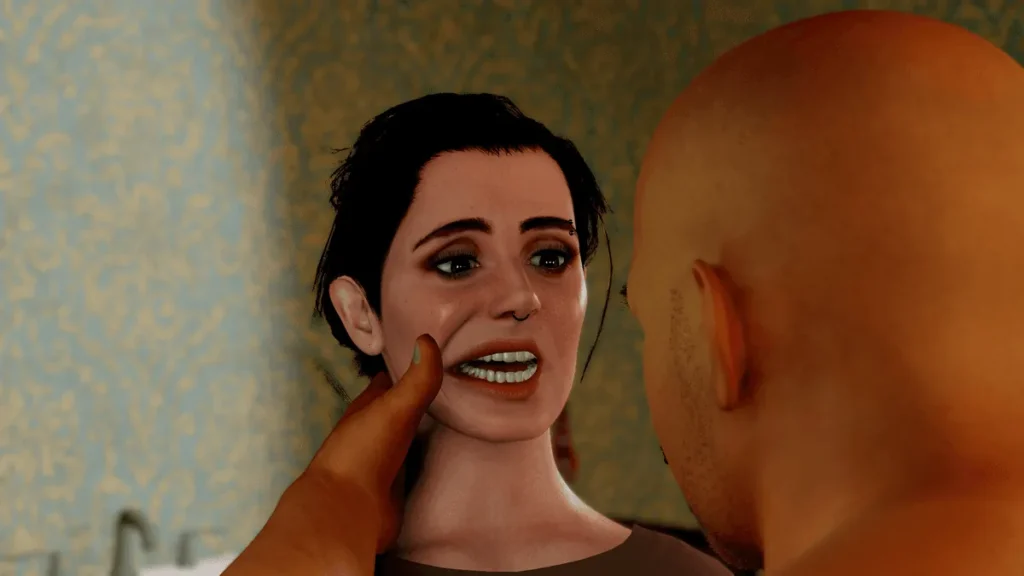
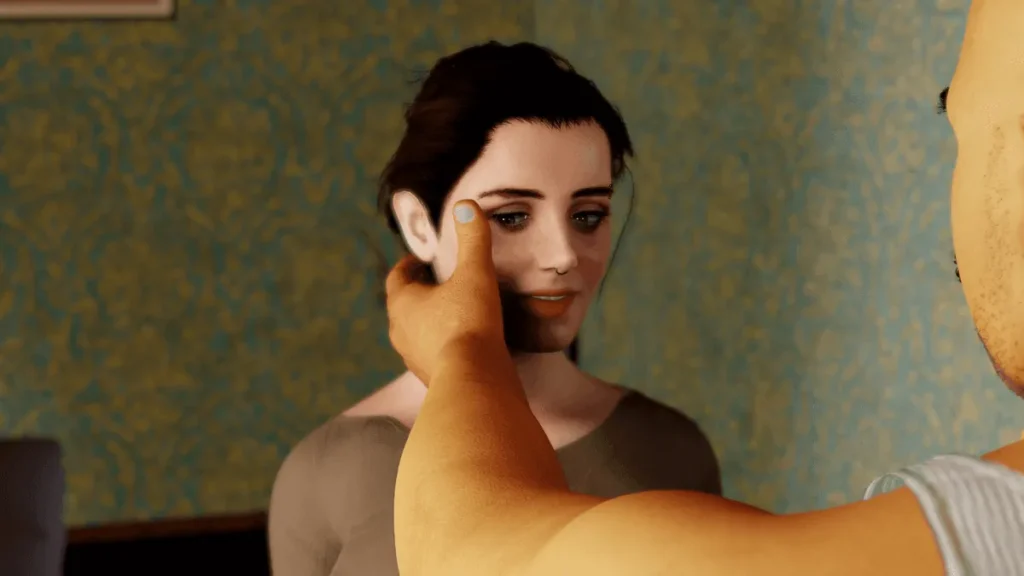
Tales from the Deep: Eve review
Explore the sci-fi narrative, gameplay mechanics, and character development in this unique visual novel experience
Tales from the Deep: Eve stands out as a distinctive visual novel that masterfully blends science fiction storytelling with engaging gameplay mechanics. This game has garnered attention for its innovative approach to narrative pacing, creative world-building, and the balance it maintains between multiple content layers. Whether you’re a seasoned visual novel enthusiast or new to the genre, understanding what makes Eve unique can enhance your appreciation of its design philosophy. This guide explores the game’s core elements, from its compelling sci-fi setting to its distinctive gameplay systems that set it apart from traditional visual novels.
Understanding Tales from the Deep: Eve’s Unique Design Philosophy
Ever find yourself playing a sci-fi game and getting completely lost in a sea of technobabble? 📚 You’re handed a digital encyclopedia on quantum entanglement and told to have fun. It’s a common pitfall, but Tales from the Deep: Eve takes a radically different path. This visual novel doesn’t just tell a science fiction story—it lives and breathes its setting through the eyes of its crew, making its Eve game sci-fi narrative design feel personal, urgent, and incredibly accessible. 🚀
This chapter isn’t just a summary; it’s a deep dive into the craftsmanship that makes this experience stand out. We’ll explore how it builds its world, fosters genuine bonds between characters, and masterfully balances a wealth of content without ever losing its narrative thread. If you’ve ever wondered what separates a good visual novel from a truly memorable one, the answer lies in understanding this game’s unique design philosophy.
The Science Fiction Foundation and World-Building
The setting of Tales from the Deep: Eve is immediately compelling: a near-future where humanity has begun to colonize the ocean floor. 🌊 But instead of dumping a textbook on you, the game uses a brilliant, character-first approach to its visual novel world-building techniques. You learn about the crushing pressures, the advanced technology, and the political tensions of the underwater frontier because the characters are dealing with them in real-time. The sci-fi elements aren’t decorations; they are active, sometimes hostile, participants in the drama.
“The genius of Eve is that you never feel like you’re ‘learning’ the sci-fi concepts. You’re just living alongside the crew as they troubleshoot a reactor leak, navigate territorial disputes with other stations, or debate the ethics of their mission. The world reveals itself through necessity, not exposition.”
This method ensures the science fiction visual novel gameplay is seamless. The tension of a hull breach isn’t just a physics problem; it’s a moment of shared vulnerability that defines relationships. The claustrophobic, beautiful, and dangerous environment of the deep-sea station becomes a character in itself. 🐙 The Eve game sci-fi narrative design is built on a foundation of “show, don’t tell,” using every tool in the visual novel arsenal—dialogue, character reaction, sound design, and art—to immerse you. You don’t need a degree in marine engineering to feel the stakes; you just need to care about the people in the middle of it all.
Character Relationships and Narrative Pacing
At its heart, Tales from the Deep: Eve is a story about isolation and connection. The visual novel character relationships are the engine of the entire experience. Unlike many story-focused games where bonds can feel optional or divorced from the main plot, here they are inextricably linked to the core premise. Confined to a metal tube at the bottom of the sea, the crew must rely on each other for survival, sanity, and purpose. This isn’t about choosing who to date at a school festival; it’s about deciding who you trust with your life in a crisis. 🤝
This setup creates a raw, authentic foundation for relationships to grow. Conversations feel weighty because these people are your only social contact for months. A shared moment looking at a bioluminescent trench creature carries more emotional resonance than a dozen contrived “romantic events” in other games. The Eve game story pacing mechanics are expertly tuned to these relationships. The narrative breathes, allowing for quiet, character-building scenes that let you learn about someone’s past or fears, before ramping up the external pressure with a plot-driven event. This ebb and flow mimics the reality of their situation—long periods of routine punctuated by sudden, intense drama—making every interaction feel earned and significant.
The game avoids the common trap of making relationships feel like a separate “side quest.” Getting to know your fellow officer isn’t a distraction from the mission; it is integral to the mission’s success. This elegant fusion of personal and plot development is a hallmark of the Tales from the Deep Eve visual novel experience.
How Eve Balances Multiple Content Layers
Here’s where many ambitious games stumble: they pack in tons of content but fail to integrate it gracefully, leaving players feeling overwhelmed or distracted. Tales from the Deep: Eve achieves something remarkable with its Tales from the Deep Eve content balance. The game features approximately 80 distinct scenes, weaving together main plot progression, character backstories, world-building logs, and optional conversational branches. Yet, it never feels cluttered or disjointed.
The secret lies in its smart pacing and contextual integration. Optional content—like personal logs, technical manuals, or off-duty chats—is made available at natural resting points in the story or is directly triggered by story events. Learning more about the station’s history doesn’t pull you into a separate menu; it feels like a natural curiosity your character would pursue during their downtime. This approach respects your investment in the science fiction visual novel gameplay while deepening it.
Consider the following breakdown of how those ~80 scenes are typically distributed to create a cohesive journey:
| Content Type | Approximate Scene Count | Primary Function | Integration Method |
|---|---|---|---|
| Core Narrative Plot | ~35 | Drive the central mystery and conflict forward | Linear progression, key decision points |
| Mandatory Character Development | ~20 | Establish core relationships and crew dynamics | Weaved into main plot beats and assigned duties |
| Optional / Exploratory Content | ~25 | Flesh out the world, backstory, and deeper bonds | Unlocked during downtime, via dialogue choices, or station exploration |
This structure is key to the game’s success. The optional scenes never hijack the narrative urgency. Instead, they act as vents for pressure, moments where you can choose to delve deeper and enrich your understanding. This is a visual novel world-building technique that few titles master. You’re always in control of the depth of your immersion, but the primary story lane is always clear and compelling.
- Key design elements that make Eve’s approach to content integration effective:
- Diegetic Discovery: Extra content is found within the game world (on a character’s terminal, in a station log) rather than on a meta menu.
- Pacing Gates: New optional scenes unlock after intense plot sequences, providing a natural break.
- Character-Driven Access: Your relationship level with crew members often opens up unique conversational branches and scenes.
- Non-Punitive Design: Skipping optional content doesn’t lock you out of the main story or a “true ending”; it simply personalizes your version of the journey.
This elegant Tales from the Deep Eve content balance creates a uniquely tailored experience. Your playthrough feels personal because the layers of content you choose to engage with directly shape your perspective on the events and the people around you.
This design philosophy proved so effective that it became the blueprint for its sequel, Amatsukaze. That game takes the foundational pillars established here—character-driven sci-fi, relationship-as-survival, and masterful content pacing—and expands upon them with a new crew and a fresh set of oceanic mysteries. It demonstrates that the approach crafted in Tales from the Deep: Eve wasn’t a happy accident, but a repeatable, powerful framework for storytelling.
Ultimately, the genius of this Tales from the Deep Eve visual novel is in its harmony. The sci-fi setting enables profound character connections. Those connections give weight to the meticulously paced narrative. And the carefully layered content allows you to explore that world at your own rhythm, making the story truly your own. It’s a masterclass in design where every element supports the other, creating a deep-sea journey that resonates long after you’ve surfaced. 🌌
Tales from the Deep: Eve represents a thoughtful approach to visual novel design that successfully integrates multiple gameplay systems with compelling narrative elements. The game’s strength lies in its accessible yet sophisticated science fiction world-building, combined with character-driven storytelling that feels organic rather than forced. The creative blueprint system, while potentially repetitive on subsequent playthroughs, demonstrates innovative thinking about how to engage players beyond traditional visual novel frameworks. For those interested in exploring how modern visual novels can balance complex content with smart pacing and meaningful character relationships, Eve offers valuable lessons in game design. Whether you’re drawn to the sci-fi elements, the relationship dynamics, or the unique gameplay mechanics, Tales from the Deep: Eve provides a distinctive experience that stands apart in the visual novel landscape.