Tainted Heritage – a.k.a Weird Shit Is Going to Happen
Play Tainted Heritage – a.k.a Weird Shit Is Going to Happen
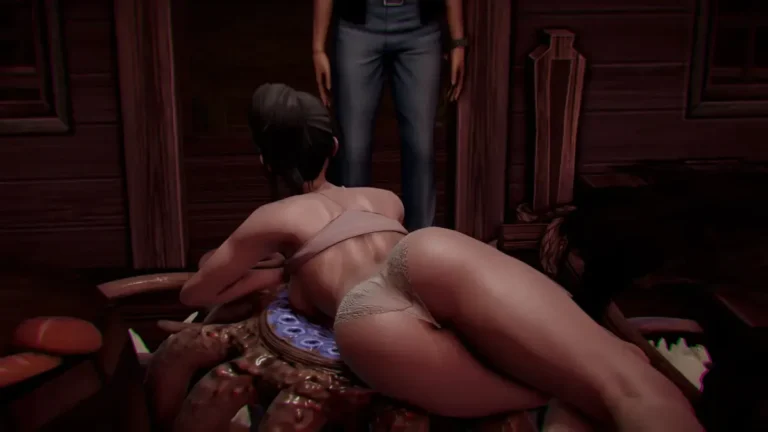
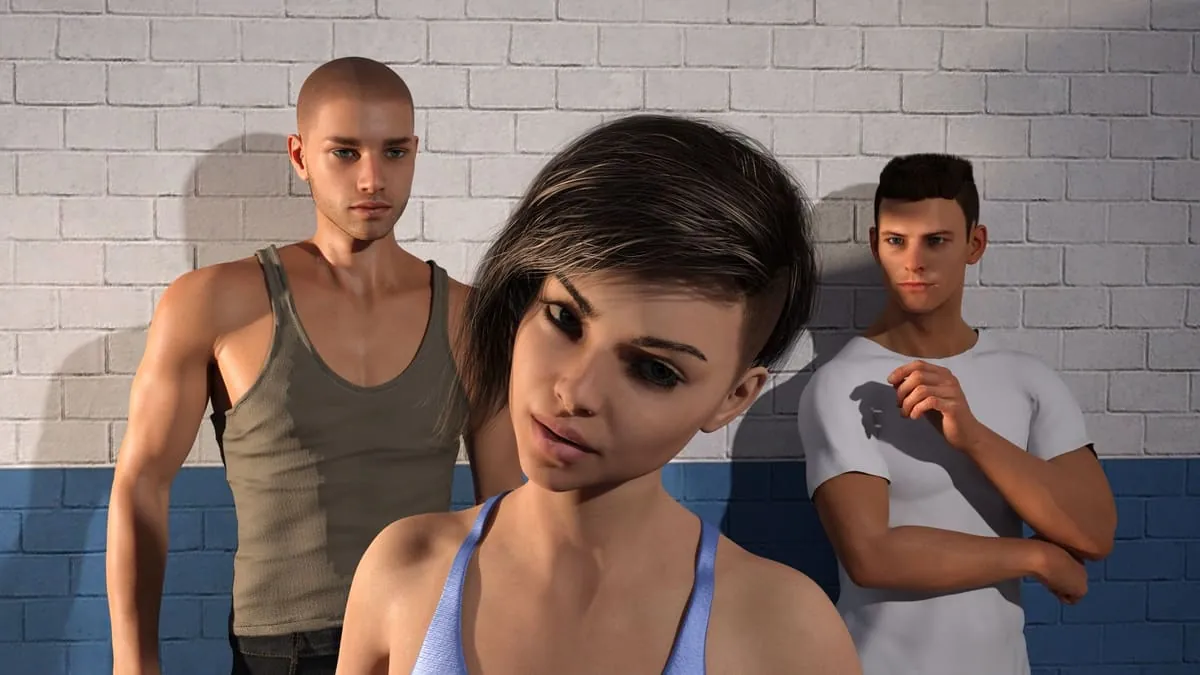
Tainted Heritage – a.k.a Weird Shit Is Going to Happen Screenshots
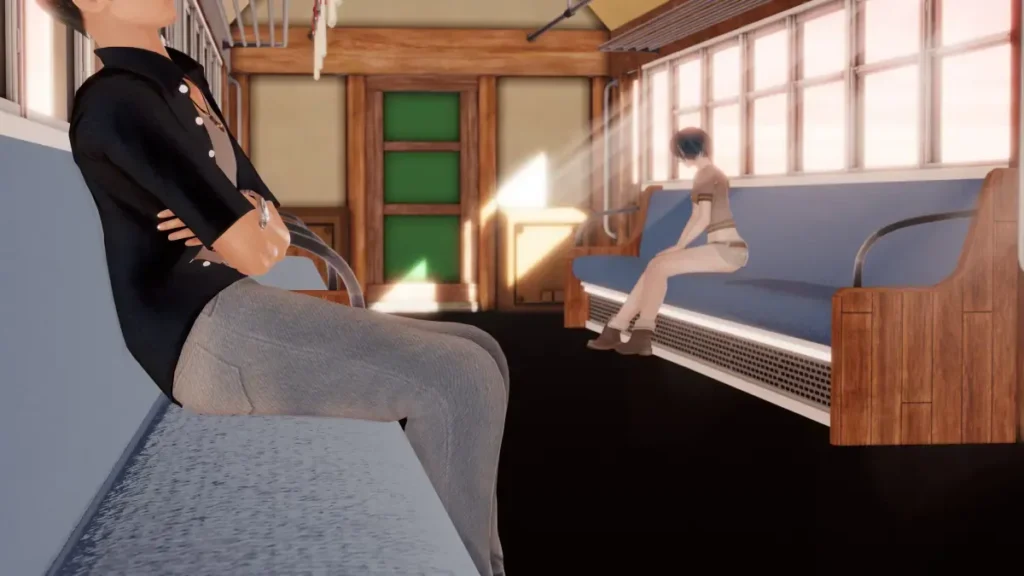
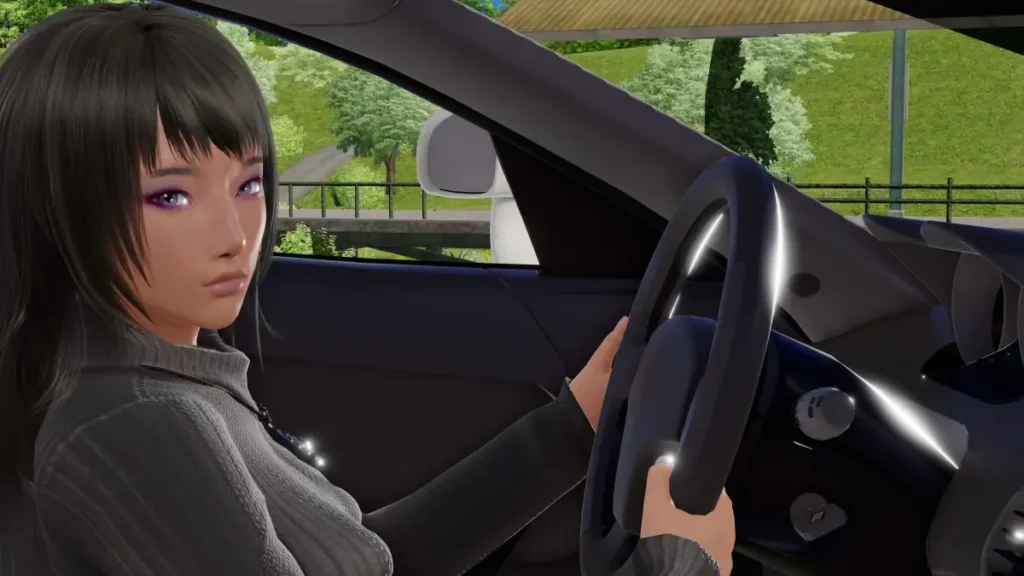
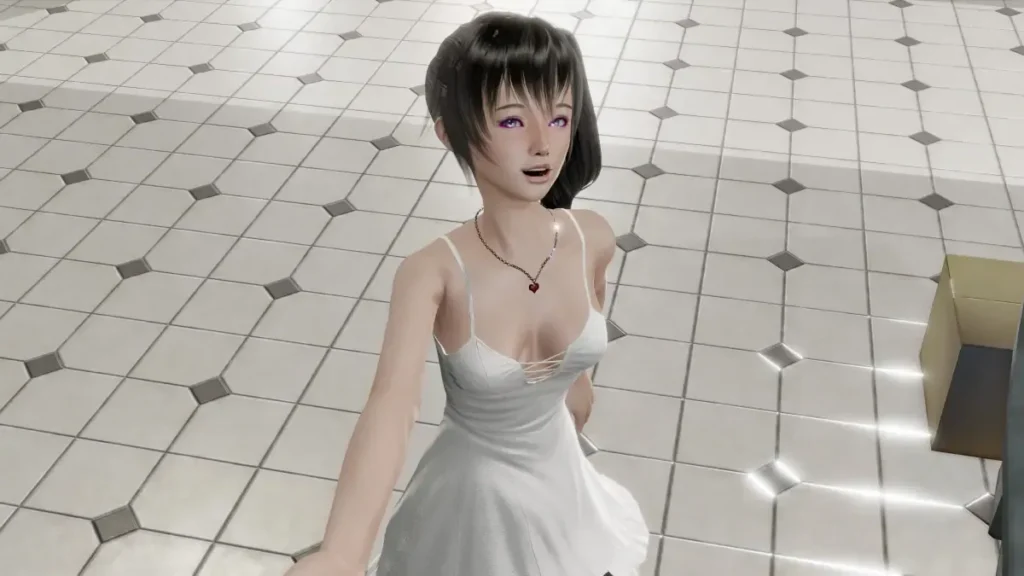
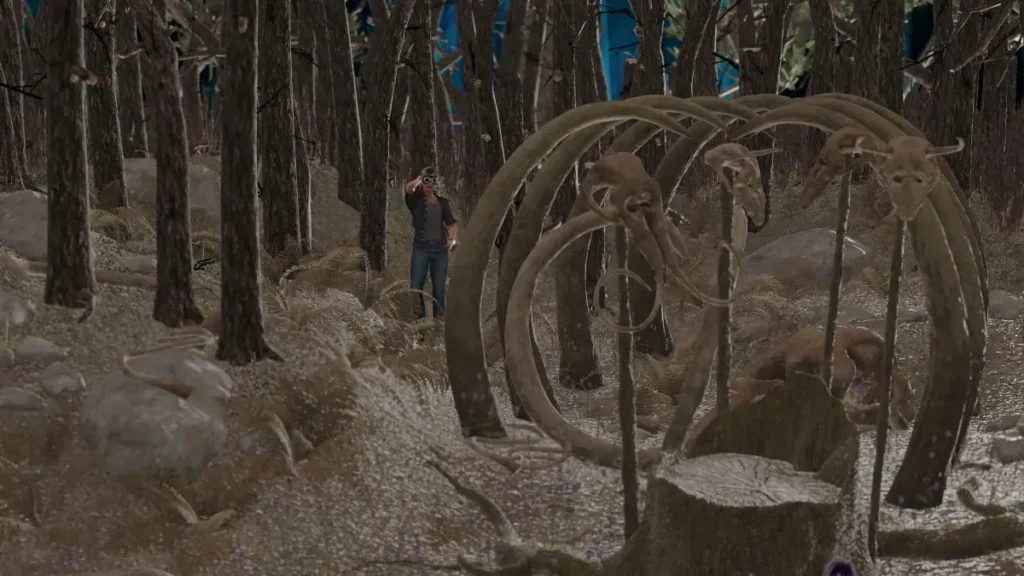
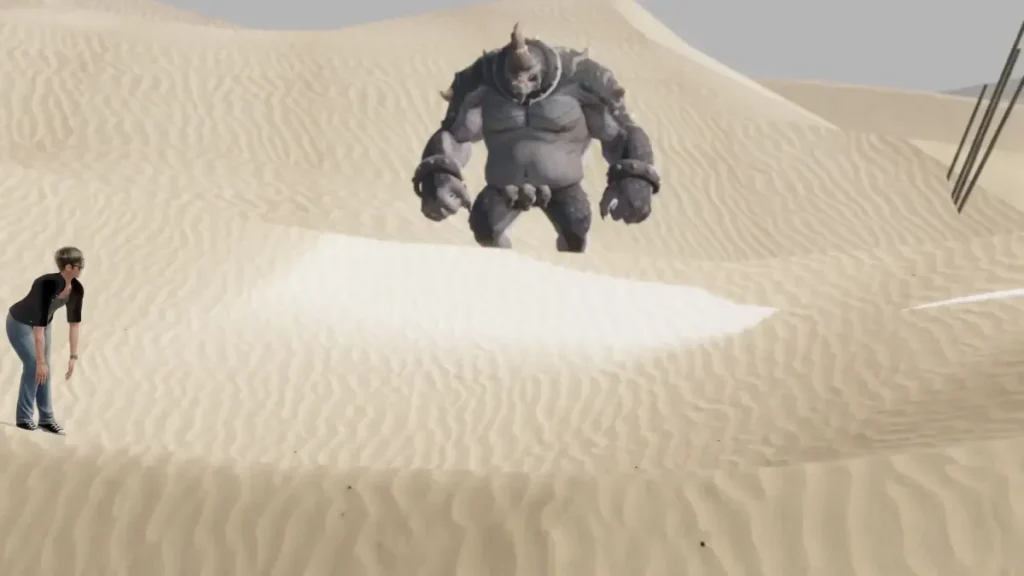
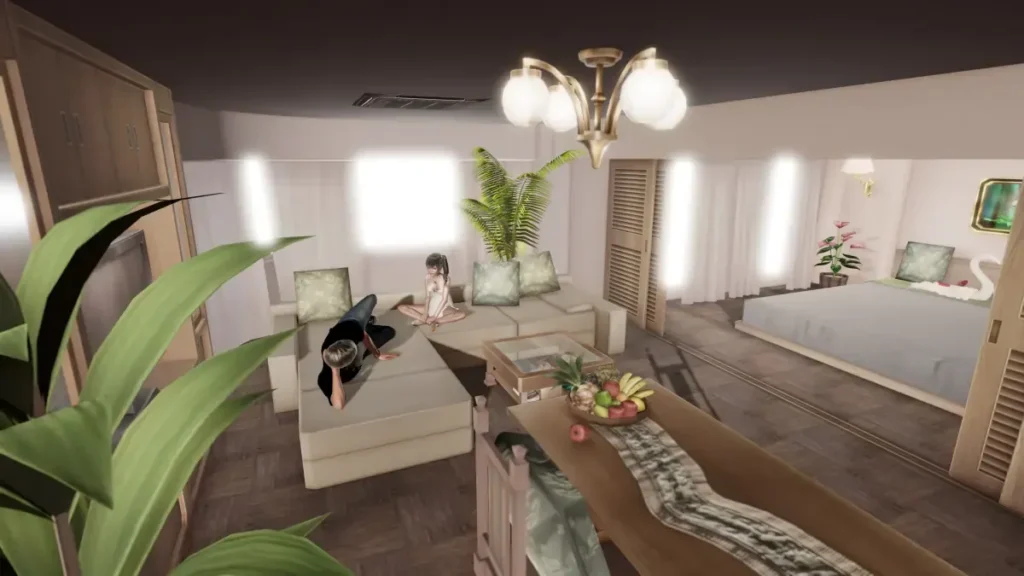
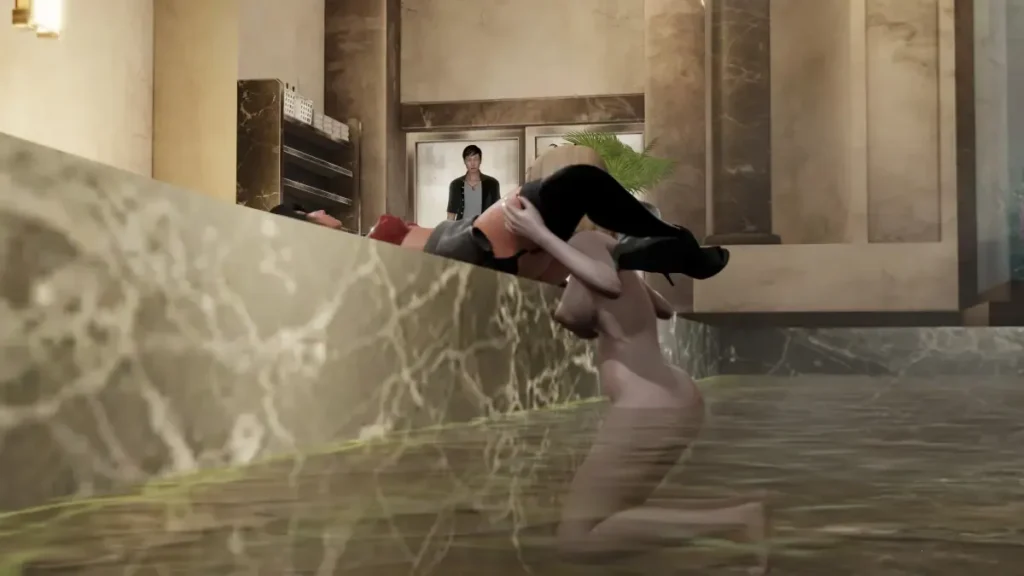
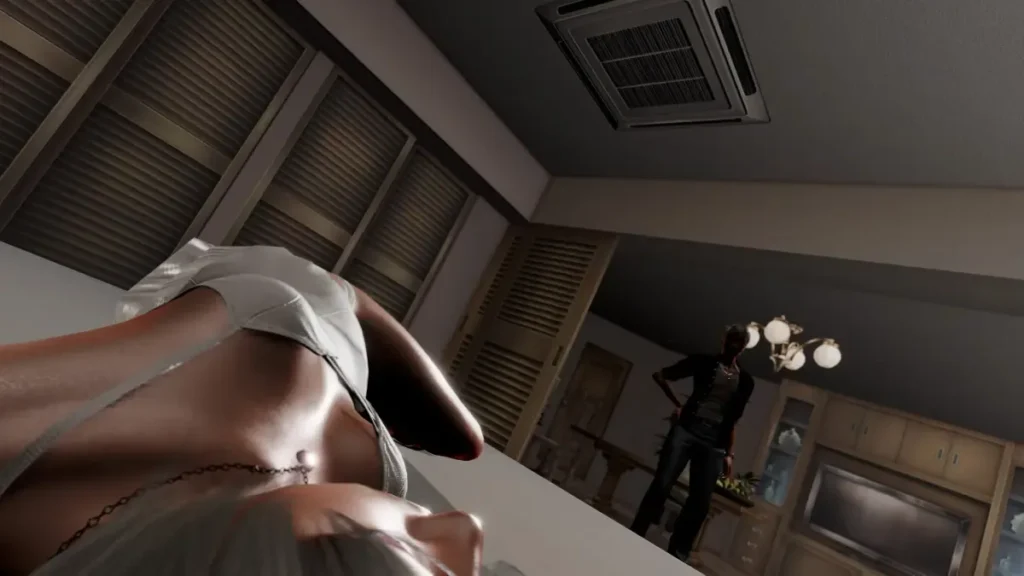
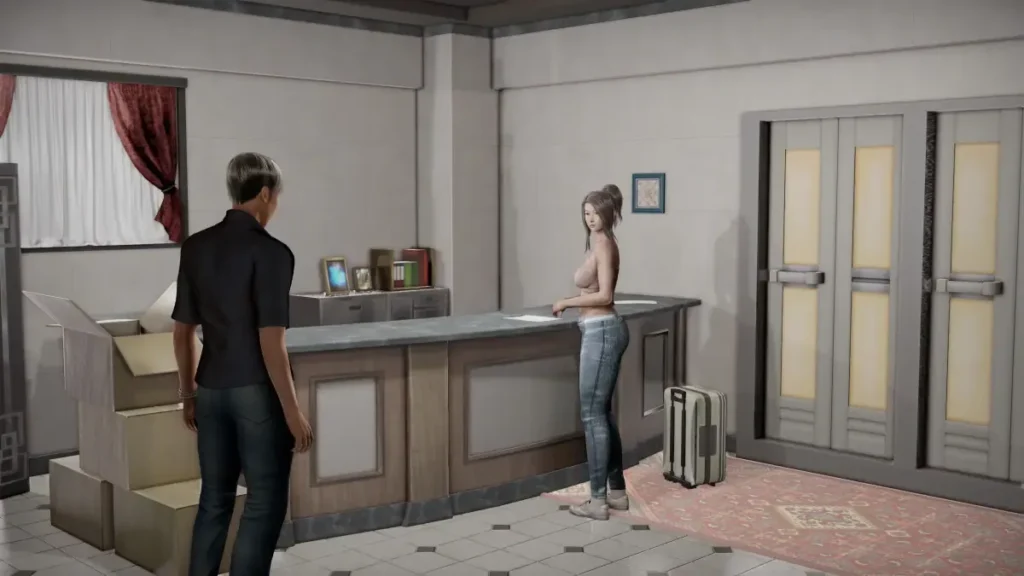
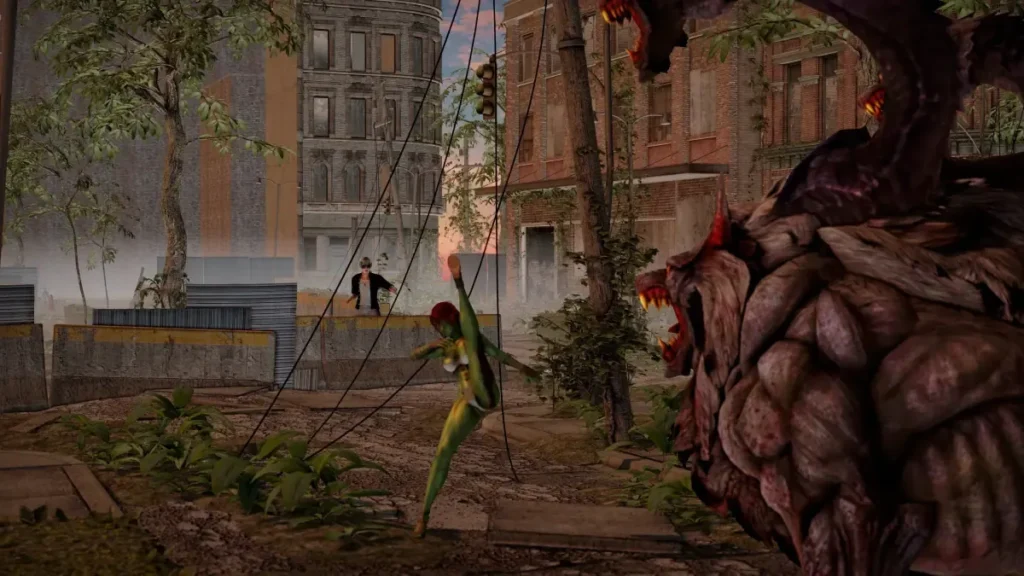
Tainted Heritage – a.k.a Weird Shit Is Going to Happen review
Explore the Mystery, Choices, and Supernatural Elements of This Unique Indie Experience
Tainted Heritage stands out as a distinctive visual novel that challenges conventional storytelling through its unconventional narrative approach and experimental design philosophy. This indie title captivates players by weaving together mystery, supernatural elements, and deeply personal character dynamics. The game’s core premise revolves around a protagonist who inherits a hotel from his grandfather, only to discover that his family heritage involves far more complexity than initially apparent. With its emphasis on player agency, branching story paths, and consequences that ripple through the narrative, Tainted Heritage offers an engaging experience for players seeking something different from mainstream titles. Understanding the game’s mechanics, character relationships, and unique features helps potential players determine whether this indie experience aligns with their gaming preferences.
Understanding Tainted Heritage: Story, Setting, and Core Premise
Let’s be real. Most games hand you a story like it’s a script you’re just meant to read aloud. You watch the drama unfold, maybe make a choice or two that changes which color the ending screen is, but you’re never truly at the wheel. 😕 That’s what makes discovering a game like Tainted Heritage – a.k.a Weird Shit Is Going to Happen feel like uncovering a secret. This isn’t just another visual novel; it’s a deeply personal, reactive experience where your fingerprints are left on every single page of the story. The core of this indie game storytelling triumph is a deceptively simple premise that spirals into a labyrinth of mystery, choice, and the utterly unexplainable. 🌀
To truly appreciate the masterpiece of its design, we first need to step into the worn-out shoes of its protagonist and understand the haunting world they inherit.
The Inheritance That Changes Everything
The Tainted Heritage story doesn’t begin with grandeur or power. It begins with crushing loss and quiet desperation. You play as a character whose world has recently fallen apart, grappling with the tragic death of your parents and the suffocating financial ruin they left behind. Just as you’re drowning in grief and debt, a lifeline appears—but it’s one wrapped in old parchment and unanswered questions. A letter arrives from a grandmother you never knew, bequeathing you sole ownership of the “Heritage Hotel,” a distant, secluded property that was your reclusive grandfather’s life’s work.
This is the brilliant hook of its visual novel inheritance plot. You aren’t just given a mansion; you’re given a mystery and a desperate need. The hotel isn’t a reward; it’s a responsibility, a potential asset, and your only chance to rebuild a shattered life. The journey to claim your inheritance is the first step into a narrative that masterfully blends the mundane with the mystical.
You arrive to find a place frozen in time, caught between grandeur and decay. But the Heritage Hotel is more than brick and mortar. Almost immediately, the “weird shit” promised in the game’s subtitle begins to surface. Strange noises echo from locked wings, photographs seem to shift when you’re not looking, and the few remaining staff members speak in hushed, fearful tones about your grandfather’s “experiments.” The genius of this setup is that the supernatural elements aren’t just tacked-on scares; they are woven into the very fabric of the hotel’s history and your family’s legacy. This is a supernatural visual novel where the haunting is environmental, psychological, and deeply tied to the choices you make.
Your initial goal is simple: renovate, reopen, and save yourself from ruin. But the hotel has other plans. You’ll uncover your grandfather’s journals, filled with frantic notes about “thin places” and “resonant frequencies,” suggesting he wasn’t just a hotelier but a researcher of interdimensional phenomena. The setting itself becomes a character—a living, breathing, and often hostile entity that reacts to your presence. Doors that were once locked may open after a certain revelation, new unsettling details appear in familiar rooms as your understanding deepens, and the very atmosphere shifts from melancholic to menacing based on your path.
🎯 Tip: Pay excruciating attention to the environment. The game’s world is a narrative device. A new stain on the wallpaper, a suddenly unlocked drawer, or a change in the background music isn’t just ambiance; it’s the story talking directly to you.
How Player Choices Shape Your Unique Narrative
If the setting is the stage, then your choices are the director, the playwright, and the lead actor all in one. Tainted Heritage – a.k.a Weird Shit Is Going to Happen elevates itself from a great story to a groundbreaking one through its profound commitment to player agency in games. This isn’t about picking “Good, Neutral, or Evil” dialogue options. This is about making seemingly small, human decisions that send ripples through time, with consequences that surface in ways you could never predict.
The game’s philosophy is that every action, no matter how trivial it seems, has weight. The classic “choice-based narrative game” often signals its big moments with dramatic music and clear “THIS WILL BE IMPORTANT” text. Tainted Heritage does the opposite. It lulls you into a sense of mundane responsibility. Should you spend your limited morning hours carefully cleaning the grand lobby to impress potential investors, or rummage through your grandfather’s dusty old study for clues? Should you be stern with a lazy employee, or offer them compassionate understanding? Should you invest your last bit of money in fixing the roof or investigating a strange machine in the basement?
These decisions don’t just alter a relationship score in a hidden menu. They fundamentally rewire the narrative’s circuitry. A choice in Chapter 2 might not reveal its true impact until Chapter 7, when a character you were kind to returns to offer crucial help, or a door you chose to ignore explodes open under its own power, revealing a horrific truth you were unprepared for. This creates an unparalleled sense of branching story paths that feel organic, not like you’re selecting from a flowchart.
Example of the Ripple Effect:
Early on, you encounter a nervous, elderly groundskeeper who warns you about the “bad vibes” in the west wing. You have a choice:
* A) Dismiss his fears as superstition and insist on opening the wing for renovation to make more guest rooms.
* B) Heed his warning and decide to keep the wing sealed, focusing renovations elsewhere.
If you choose A, you might get a short-term boost in potential revenue. But several chapters later, when supernatural activity escalates, it escalates violently and quickly through that newly opened wing, catching you off-guard and potentially leading to the loss of another character. If you choose B, progress is slower and more financially strained. However, later, when phenomena intensify, they manifest in a slower, more mysterious way, giving you crucial extra time to research and understand what’s happening. The groundskeeper, grateful for being listened to, might even share a hidden family secret that becomes the key to survival. One small, early interaction completely changes the tempo, challenge, and emotional weight of the mid-game.
This design makes every playthrough deeply personal. Your interpretation of events, your priorities, and your personality directly craft the story. It’s a choice-based narrative game that truly understands the core of player agency in games: it’s not about having control, but about your control having meaning.
| Your Choice (Example) | Immediate Result | Long-Term Consequence (Manifests Later) |
|---|---|---|
| Spend money on hotel brochures | +Potential guest interest | A specific guest arrives, triggering a unique storyline or providing a vital clue. |
| Prioritize repairing the old generator | Hotel has consistent (but expensive) power. | During a critical supernatural event, the lights stay on, revealing a hidden enemy or path. |
| Burn your grandfather’s cryptic journals | Feel a sense of closure, rid the hotel of “bad energy.” | You are utterly helpless later when a specific ritual requires his exact notes, leading to a tragic outcome. |
The Supernatural Elements and Mystery Unfolding
So, what exactly is the “weird shit” that’s going to happen? 🕵️♂️ This is where the Tainted Heritage story transitions from a drama about inheritance into a mind-bending exploration of the unknown. The supernatural here isn’t just ghosts and jump scares (though there are certainly chilling moments). It’s a complex, almost scientific intrusion of other dimensions into our own.
Your grandfather’s research points to the hotel being built on a “nexus point,” a place where the walls between realities are thin. The phenomena you experience are “echoes,” “bleed-through,” and “resonances” from these other dimensions. This might manifest as:
* Time loops: Reliving the same hour, with subtle, terrifying changes each cycle.
* Spatial paradoxes: Hallways that lead back to their start, rooms that are bigger on the inside, or windows that show a different time of day.
* Entity manifestation: Not traditional ghosts, but unstable projections of thought, emotion, or trauma from other layers of reality, given form by the nexus.
This approach makes the supernatural visual novel elements feel fresh and intelligent. You’re not just running from a spook; you’re trying to understand a broken rule of the universe. The mystery unfolds not through straightforward clues, but through eerie occurrences that you must piece together. The game excels at making you question everything. A friendly character might, through later revelations, be recontextualized as a manipulative force. A seemingly tragic event in the past might be revealed as a necessary sacrifice. The story constantly pulls the rug out from under your assumptions, demanding that you re-evaluate every conversation and every event.
This experimental design is the heart of its indie game storytelling. Free from the constraints of mainstream tropes, the developers have crafted a narrative where the experience of confusion and gradual revelation is part of the gameplay. The world visually changes to reflect your progression and choices. A painting that was just a landscape in one playthrough might, in another, subtly depict a monstrous shape after you’ve learned a certain secret. The sound design bends and warps, with whispers and distant noises becoming clearer as your character’s connection to the nexus deepens.
💡 Insight: The game’s greatest trick is that it makes you, the player, feel the protagonist’s anxiety and curiosity. As you sit there trying to connect the dots, so is your character. That synergy between player and protagonist is rare and powerful.
FAQs About the Story & Structure
- How many different endings are there? While the developers are rightly secretive to preserve the magic, it’s safe to say there are multiple definitive endings that are radically different, not just slight variations. The true number depends on how you define an “ending,” as the branching story paths create unique combinations of outcomes for characters, the hotel, and the cosmic mystery itself.
- Can you fail the game? Yes, but not in a conventional “Game Over” screen. You can make choices that lead to tragic conclusions, dead ends in the mystery, or states where your situation is untenable—these become your ending. The story acknowledges and respects these as valid, if somber, conclusions to your specific journey.
- Is there a “true” ending? The game challenges the very idea. Given its theme of perspective and reality, it suggests that every player’s journey uncovers a different facet of the truth. One path might reveal the “what” of the phenomena, while another reveals the “why,” and another explores the “how to live with it.”
- How long is a single playthrough? Your first playthrough, if you’re engaging with the exploration and mystery, will likely take 8-12 hours. However, the immense player agency in games and the density of secrets mean that seeing even half of what the Tainted Heritage story offers requires multiple journeys down its divergent branching story paths.
In the end, Tainted Heritage – a.k.a Weird Shit Is Going to Happen is more than a game you play; it’s a story you co-author with every thought-out decision and every leap of faith. It proves that the most powerful indie game storytelling comes from a bold vision that trusts its players with genuine responsibility, weaving a visual novel inheritance plot into a personal testament to how our choices, in the face of the unknown, truly define our legacy.
Tainted Heritage represents a bold departure from conventional visual novel design, offering players a genuinely unique experience through its unconventional narrative structure and emphasis on meaningful player choice. The game’s strength lies in its ability to weave together mystery, supernatural elements, and complex character relationships while maintaining an atmosphere of unpredictability that keeps players engaged throughout their journey. Whether you’re drawn to experimental narratives, games that reward careful decision-making, or simply seeking to explore indie gaming creativity, Tainted Heritage presents an intriguing opportunity to experience storytelling that embraces the unexpected and celebrates the weird. For players willing to embrace a non-linear, consequence-driven narrative where your interpretation of events matters as much as the events themselves, this indie title delivers a memorable and deeply personal gaming experience that lingers long after completion.