Summer with Mia
Play Summer with Mia
Summer with Mia Screenshots



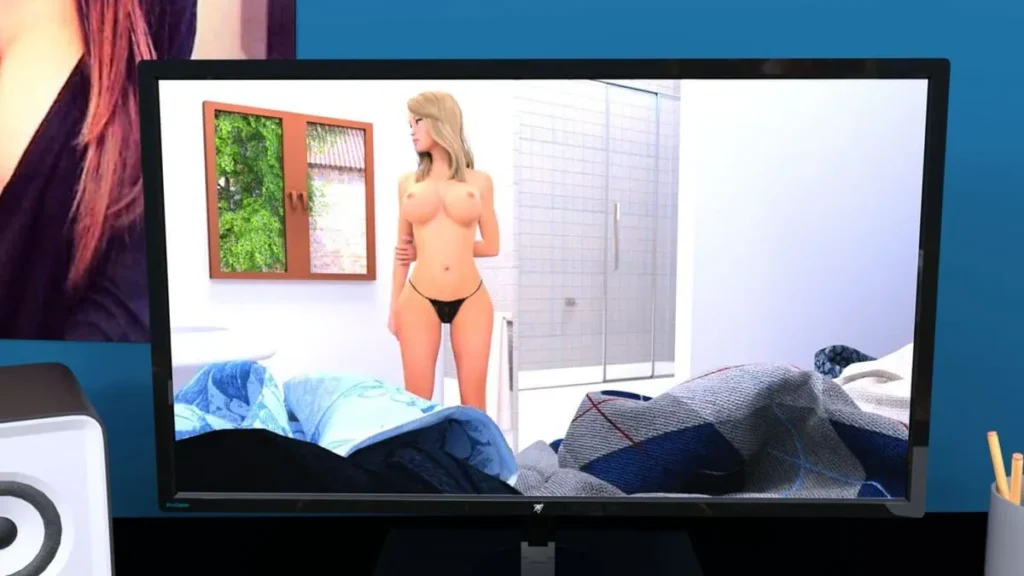


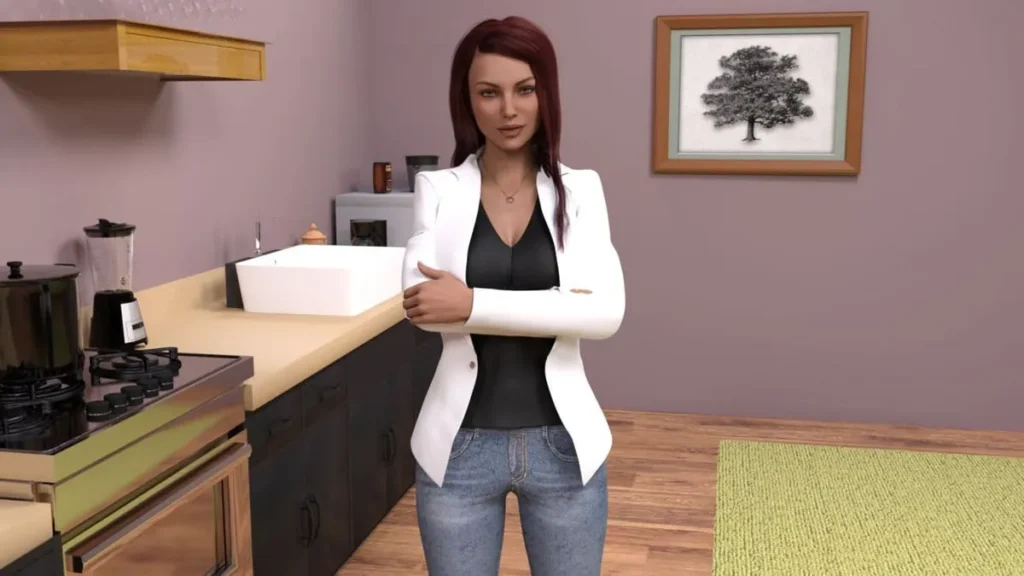
Summer with Mia review
A personal, spoiler-light look at Summer with Mia, how it plays, and whether it’s worth your time
Summer with Mia is a narrative-driven game that blends visual novel style storytelling with choice-based progression and a strong focus on character relationships. When I first picked it up, I expected a shallow, fan-service-heavy experience, but what I found instead was a surprisingly layered story about a young man trying to find his way during a pivotal week of his life. In this article, I’ll walk you through how Summer with Mia plays, what makes its characters and choices engaging, and share some personal impressions to help you decide if this is the right game for your tastes.
What Is Summer with Mia and How Does It Play?
Ever find yourself scrolling through game stores, seeing something that looks intriguing but you just can’t quite figure out what it is? 😅 That was me with Summer with Mia. The name popped up, the art looked interesting, but I needed a plain-English breakdown. If you’re in the same boat, welcome! This is your spoiler-light tour of what the Summer with Mia game actually is and how it plays.
Think of it as a concentrated dose of summer drama, all unfolding in one house over a single, fateful week. You play as a guy (whose name you can choose) who’s supposed to be hitting the books hard. Final exams are looming, the pressure’s on, and your parents pick this exact moment to leave on a trip. You’re not alone, though. The house is shared with Mia, a central figure who arrives home in various, often complicated, states. 🏡 The stage is set for a week where studying is constantly competing with everything else life throws your way.
It’s a visual novel style game through and through. That means you’ll be reading a lot of dialogue, making choices, and watching the story branch based on your decisions. The tone is this great mix—there’s genuine drama and tension, moments of awkward humor, and a slow-burn sense that every conversation matters. It’s not about quick reflexes; it’s about the choices you make and the relationships you shape.
Core Premise and Setting of Summer with Mia
So, what’s the deal with this summer? ☀️ Imagine the classic “parents-are-away” scenario, but with the twist of academic dread hanging over everything. Your character is a student who’s fallen behind. This week is your last chance to cram and get your grades back on track before it’s too late. The house, which becomes your entire world for the game, feels both cozy and strangely intense.
Then there’s Mia. Without giving anything away, she’s the emotional core of Summer with Mia. Her life is… messy. She comes home late, gets into situations, and your dynamic with her is the primary engine of the story. Are you a responsible presence trying to keep the peace and focus on your work? Or do you get drawn into her orbit, affecting your own path? The game does a brilliant job of making even small interactions with her feel weighted.
I should note for veterans: this Summer with Mia title is a reimagined, more polished take inspired by an earlier game. It features new scenes, refined choices, and deeper character dynamics, so even if the premise sounds familiar, it stands confidently on its own.
The supporting cast is small but impactful, mainly other close characters who drift in and out of the house, each adding their own layer to the week’s events. The entire story thrives on this intimate, almost claustrophobic setting, where every closed door and late-night encounter feels significant.
Gameplay Mechanics, Choices, and Routes
If you’ve never played a choice based story game before, don’t sweat it. The Summer with Mia gameplay loop is simple to grasp but deeply engaging. You spend most of your time reading through beautifully illustrated scenes and character dialogue. At key moments, the text pauses, and you’re presented with a decision.
These aren’t just cosmetic choices. Early on, I made what I thought was a minor, slightly teasing comment to Mia. Hours later, in a completely different scene, that choice came back in a way that totally shifted the tone—she remembered, and it influenced her reaction. That’s the magic here. Your choices build hidden relationship points, unlock unique scenes, and can lead to dramatic shifts, jealousies, or deeper connections.
The game is built for replay. There are multiple routes and endings, largely defined by who you focus your attention on and the major decisions you make. Want to see what happens if you take a completely different stance during a crucial argument? The game encourages it. Thankfully, the developers included fantastic quality-of-life features:
* A skip function that flies through text you’ve already seen.
* A robust save system (use it! Save before every big choice to experiment).
* Options to adjust text speed and audio.
* A handy panic button that instantly hides the game window if you need it.
This makes exploring the different branches of Summer with Mia Season 1 not just possible, but genuinely fun. It’s less about “winning” and more about uncovering the different facets of the story.
To give you a quick, at-a-glance sense of what you’re getting into, here’s a breakdown of the core experience:
| Aspect | What to Expect in Summer with Mia |
|---|---|
| Story Focus | Intense, character-driven drama centered on relationships and personal choices during a pivotal summer week. |
| Gameplay Style | Pure visual novel / interactive story. Reading dialogue and making consequential choices is the primary interaction. |
| Replay Value | Very High. Multiple character routes, endings, and hidden scenes encourage repeated playthroughs. |
| Difficulty | Narrative-based, not skill-based. “Difficulty” comes from understanding character motivations and making choices aligned with the path you want. |
Platforms, Versions, and Content Options
Alright, so you’re intrigued. Where do you actually play this thing? 🎮 The Summer with Mia game is available on major PC digital storefronts. You’ll want to look for Summer with Mia Season 1, which is the complete, current release of this story.
A unique and thoughtful feature is the game’s approach to character relationships. To ensure it can be available to as wide an audience as possible on different platforms, it includes a customization option. In the settings, you can choose how certain close relationships are labeled in the menu and referenced in dialogue options. This is a purely cosmetic text filter—the underlying story, scenes, and character dynamics remain completely unchanged. It’s a clever way to let the game meet various platform policies while preserving the creator’s intended narrative.
Now, for the big question: how long is Summer with Mia? ⏳ This depends entirely on how you play. A single, focused playthrough from start to one ending will likely take you several hours. If you’re like me and get compelled to see “what if?” and start reloading saves to explore different choices, you can easily double or triple that time. There’s a lot of story tucked away in those alternate paths.
🎯 My Personal Advice for New Players: Don’t try to see everything on your first go. Play slowly, let the story sink in, and make choices that feel true to you in the moment. Use manual saves liberally before big decisions (the game has multiple save slots for a reason!). Most importantly, pick one character route and stick with it for your first complete run. You’ll get a much more satisfying and coherent story than if you constantly reload to try and please everyone. Trust me, the replay is half the fun!
Quick FAQ: Your Summer with Mia Questions, Answered
Is Summer with Mia a linear story?
Not at all! While the overarching timeline of the week is fixed, your choices drastically alter your relationships, the scenes you see, and the story’s outcome. It’s a branching, choice based story game at its heart.
Does Summer with Mia have multiple endings?
Yes, absolutely. Your major decisions, especially in the latter part of the week, will lead you to one of several distinct endings, largely centered on your relationship with Mia and other characters.
Do choices really matter in the gameplay?
100%. This isn’t an illusion of choice. Decisions affect immediate dialogue, unlock (or lock) entire scenes later on, change character attitudes toward you, and ultimately determine which ending you receive. Your first playthrough is uniquely yours.
Spending time with Summer with Mia left me with the feeling that it is more than just a flashy, one-note experience. Underneath the fan-service surface, there is a surprisingly grounded story about pressure, responsibility, and messy relationships during a short but intense stretch of summer. If you enjoy visual novel style games where your choices slowly reshape conversations and scenes, this title can be an engaging way to unwind. My advice is to treat your first run as a genuine story playthrough, not a checklist of scenes, and then come back for alternate routes once you know which characters and dynamics resonate with you most.