Short Sad Stories
Play Short Sad Stories
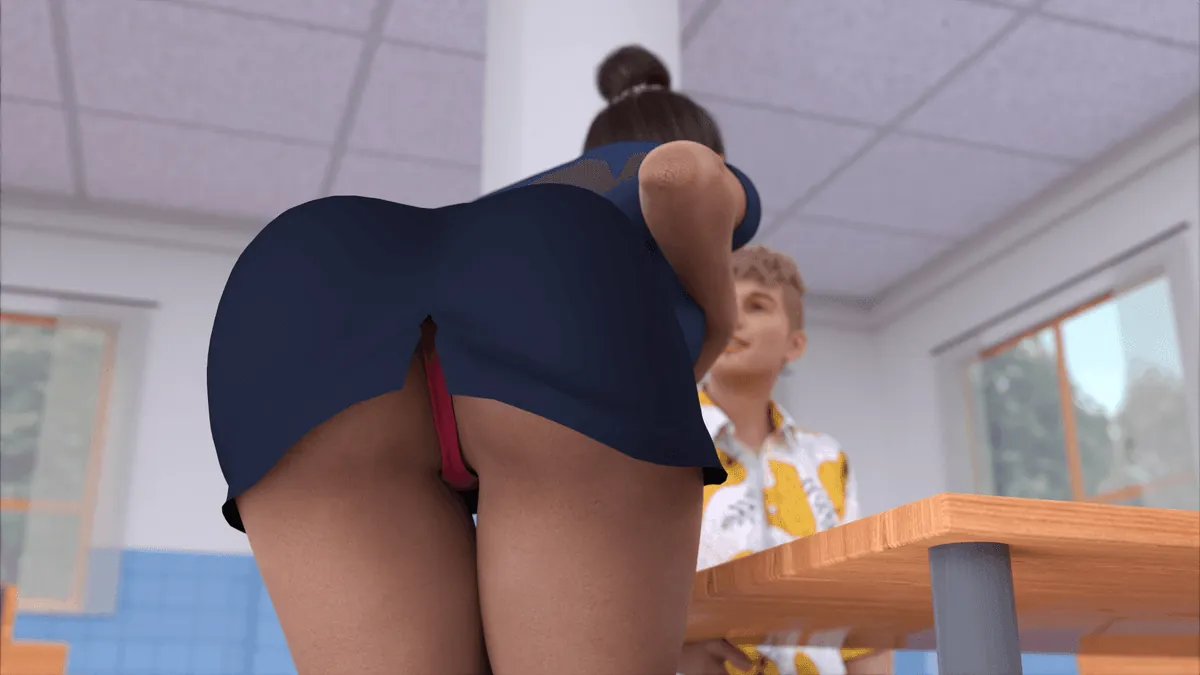
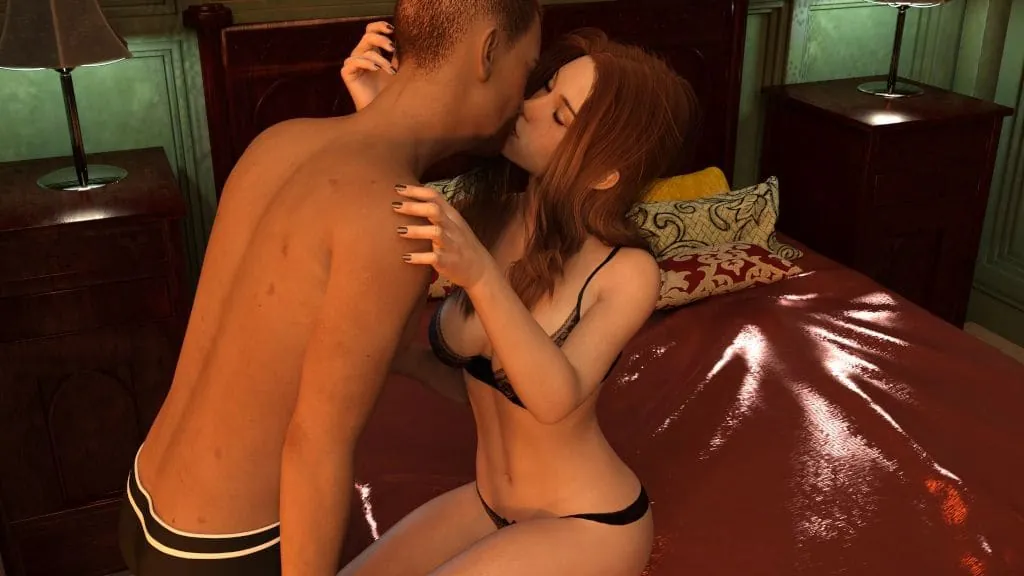
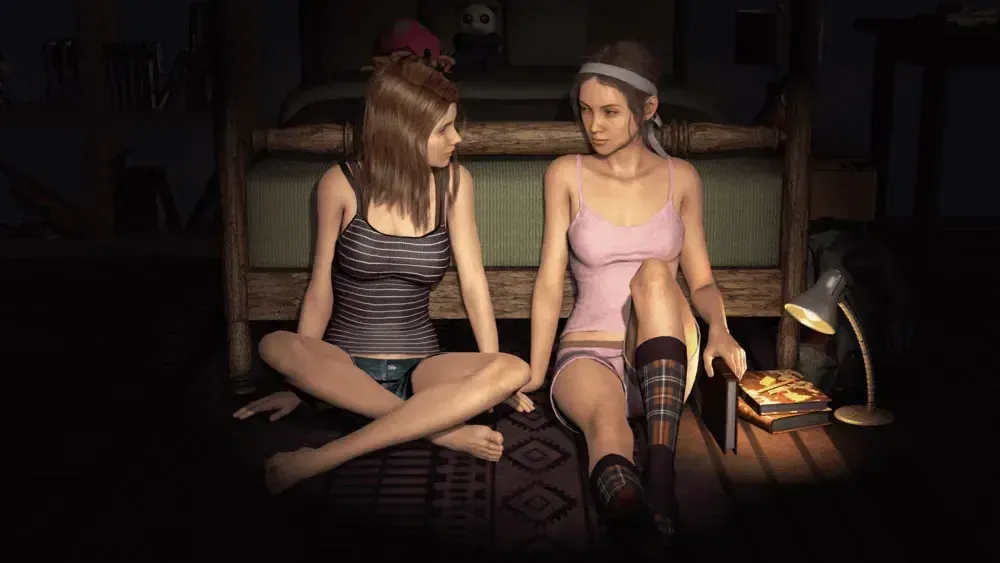
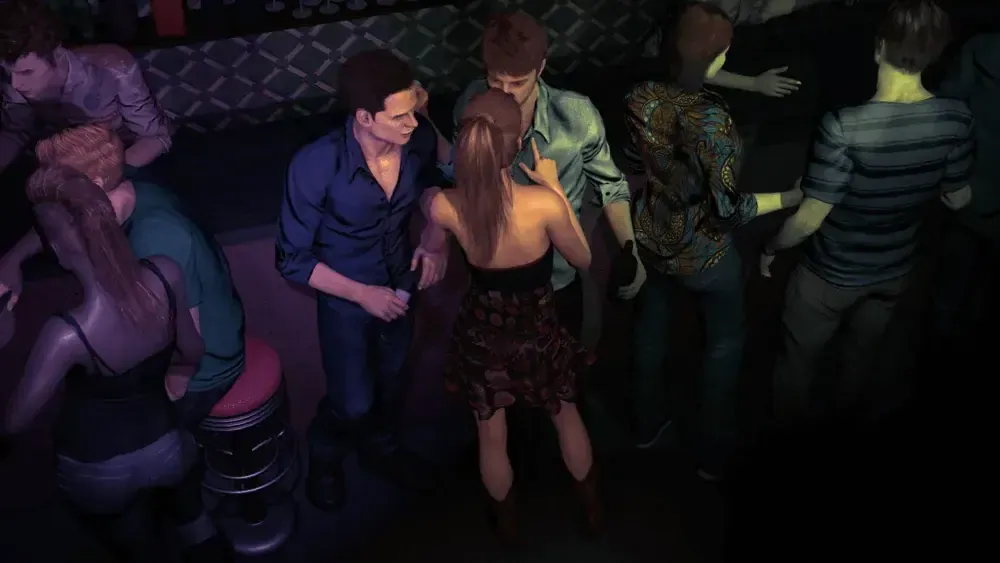
Short Sad Stories Screenshots


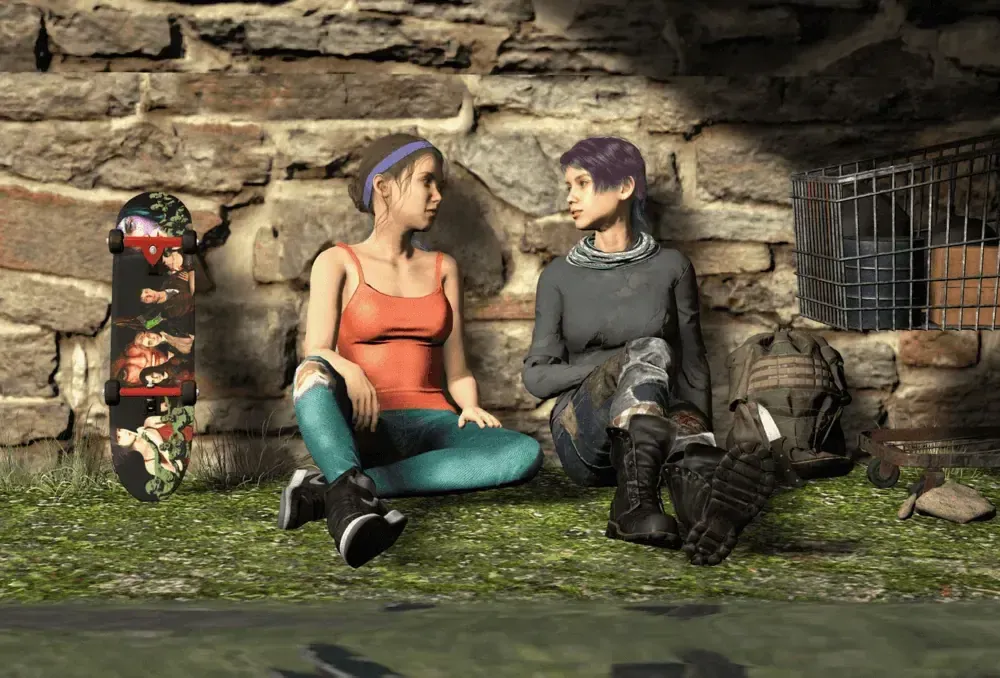
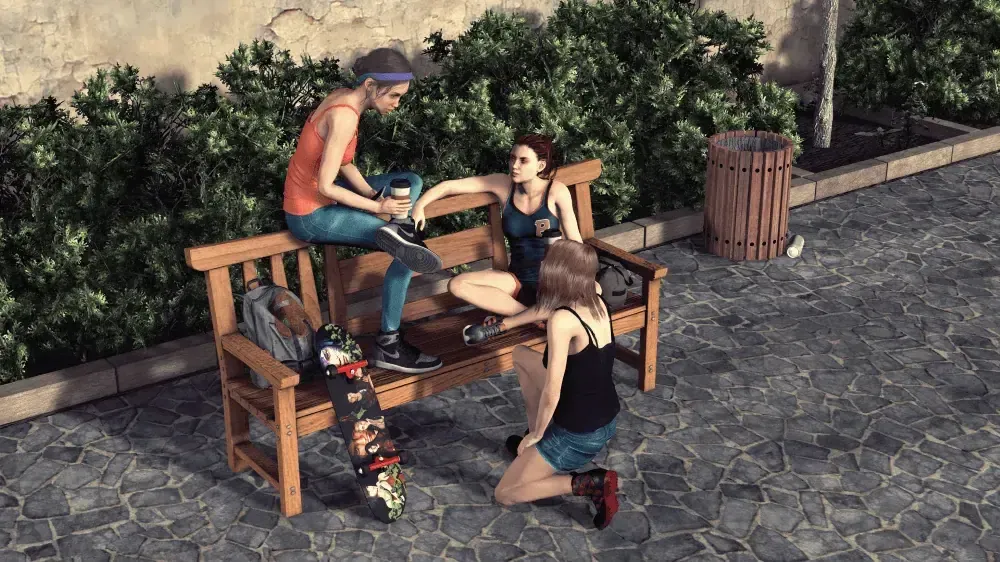
Short Sad Stories review
Dive into Emotional Narratives and Choices in Pent Panda’s Visual Novel
Imagine stumbling upon a game that tugs at your heartstrings while delivering intimate moments—welcome to Short Sad Stories, the Pent Panda visual novel that’s redefining emotional gaming. This isn’t your typical rush-through title; it’s a poignant journey through intertwined tales of young adults facing dilemmas, loss, and hidden desires in a bustling city. Centered on characters like dreamy Alice navigating reality and fantasy, a defeated hero, shadowy friends, and exposed secrets, it blends interactive sad story game elements with branching choices that deepen your connection. I’ve replayed it multiple times, each path revealing new layers of heartbreak and hope. Ready to explore why this Short Sad Stories porn game lingers long after the credits roll?
What Makes Short Sad Stories Gameplay So Addictively Emotional?
My first time playing Short Sad Stories, I thought I’d found a glitch. 🐼 I’d reached a profoundly moving ending, tears practically on my keyboard, and immediately replayed, making every Short Sad Stories choice differently. I was convinced I could “fix” things, save someone, or find a secret happy path. When the credits rolled again with the same core conclusion, I was stunned—but not disappointed. Instead, I was left sitting in a quiet awe. The Short Sad Stories gameplay hadn’t given me control over the destination, but it had handed me a microscope to examine every heartbreaking step of the journey. My choices didn’t change the ending; they reshaped my entire emotional understanding of it. This is the genius of this interactive sad story game: it trades the power fantasy of saving the day for the deeper, more resonant power of profound empathy.
Pent Panda’s visual novel understands that true sadness often lies not in the what, but in the how and why. The emotional game mechanics are a masterclass in making you feel, not just observe.
How Player Choices Shape Heartbreaking Narratives
So, how does an interactive sad story game create such a powerful pull if it’s not about changing final outcomes? 🤔 It’s all about the texture of the path. Your Short Sad Stories choices act as a curator of memory and emotion. The core loop is deceptively simple yet deeply immersive: you explore beautifully rendered, melancholic environments, piece together narrative clues from objects and dialogue, and make nuanced decisions about relationships and moments.
The agency here is exquisite. You decide which mementos to keep or discard in a story arc about clearing out a loved one’s apartment—a simple click that carries the weight of a real-world decision. You choose which memories to replay and linger in, essentially directing the focus of your own heartache. This creates a powerful sense of branching storylines visual novel fans will adore, but with a twist. The branches don’t lead to different forests; they reveal different landscapes within the same, inevitable forest fire.
The visual novel narrative choices are rarely about “good” or “bad.” Instead, they ask: Do you confront this pain head-on, or shy away? Do you cherish this fleeting moment of connection, or guard your heart? For example, in an arc centered on regret, you might choose to reimagine a crucial memory with slight variations. Seeing how those small, hypothetical changes still lead to the same lonely outcome drives home the permanence of past mistakes more effectively than any punishment ever could. This is how choices affect Short Sad Stories: they don’t alter fate; they define your character’s—and by extension, your own—emotional relationship to that fate.
Exploring Key Story Arcs and Character Journeys
The emotional weight of the Short Sad Stories gameplay is carried by its poignant, interwoven stories. Each arc uses its unique emotional game mechanics to explore a different shade of sorrow. Let’s break down a few that showcase the game’s incredible range.
One powerful arc is “Loss & Letting Go,” where you play someone tasked with emptying a departed person’s space. The core mechanic is literally choosing which items to box up, donate, or keep. Placing a childhood photo in the “donate” box isn’t just an inventory action; it’s a moment of brutal, voluntary release. The catharsis is immense. 😢
Then there’s “Regret & Missed Chances,” following a character haunted by a past relationship. Here, the gameplay involves replaying key memories, but with the ability to slightly alter your past actions in these mental recreations. You can choose to speak your heart in the memory, or stay silent as you did in reality. Yet, no matter what you pick, the scene always dissolves back to the present, alone. It’s a devastating lesson in the unchangeable nature of the past.
Characters like Alice, who struggles to divide her crumbling reality from comforting fantasy, or the “empty-handed hero” who can never quite give or receive what’s needed, become deeply personal through your Short Sad Stories choices. You don’t just watch their journeys; you mold the emotional lens through which you experience them.
To see how these arcs compare in their approach, here’s a breakdown:
| Theme | Core Interactive Mechanic | Emotional Payoff & Player Goal |
|---|---|---|
| Loss & Letting Go | Curating a loved one’s possessions (Keep/Donate/Discard) | Cathartic release through active participation in grief. The goal is to find peace, not possessions. |
| Regret & Missed Chances | Replaying and subtly altering immutable memories | Understanding the weight of past inaction. The goal is acceptance, not change. |
| Reality vs. Fantasy (Alice’s Arc) | Choosing to engage with comforting illusions or harsh truths | Confronting the pain of disillusionment. The goal is to see clearly, even if it hurts. |
| The Open Secret | Deciding when to acknowledge or ignore the “elephant in the room” in dialogues | The draining weight of shared, unspoken sadness. The goal is to endure the tension. |
Blending Intimacy with Inevitable Sad Outcomes
This is where Short Sad Stories truly transcends expectations. In a genre often focused on titillation, this game wields intimacy as its sharpest narrative tool. 🔪 The intimate scenes are not checkpoints or rewards; they are the emotional climaxes of the drama itself, steeped in longing, comfort, and a heartbreaking awareness of transience.
For instance, a scene of tender touch might occur as two characters cling to each other, not out of boundless passion, but from a shared, desperate knowledge that this is their last night together. The feeling isn’t purely physical; it’s a guttural, “I need to memorize the feel of you.” Another scene, built around vulnerability and oral intimacy, is framed not as conquest, but as a wordless apology and a bittersweet goodbye, where every gesture is loaded with unspoken regret.
‘The moment I discarded that locket, the catharsis hit like a wave—pure genius in design.’
This approach creates a powerful, melancholic romance. The visual novel narrative choices leading to these moments often involve surrendering to feeling instead of fighting it. Do you pull someone closer for comfort, knowing it will make the eventual parting worse? The game insists that true intimacy is sometimes about sharing sadness, not just pleasure. These scenes are poignant because they are real, messy, and emotionally honest, making the overarching narrative of loss resonate on a profoundly human level.
This blend is why the Short Sad Stories gameplay loop is so addictive. The interactivity married to inevitability forges a unique type of empathy. You’re not playing for achievements or good endings; you’re playing to fully witness a human experience. Your agency makes you a co-author of the emotional truth, which is far more compelling than being the author of the plot.
Your Actionable Playthrough Advice: 🎯
* Replay for Perspective: Don’t replay to “win.” Replay to choose differently in key moments—be cowardly where you were brave, or cruel where you were kind. See how the same ending feels when arrived at via a different emotional path.
* Prioritize Different Characters: On subsequent playthroughs, focus your attention and Short Sad Stories choices on a different supporting character. You’ll uncover layers of the story and motivations you completely missed the first time.
* Embrace the Mechanic: In each arc, lean fully into the core mechanic. If it’s about discarding items, be ruthless. If it’s about replaying memories, indulge every “what if.” The fullest emotional payoff comes from engaging with the system, not fighting it.
In the end, Short Sad Stories is more than a game; it’s an emotional instrument. The branching storylines visual novel structure and the profound how choices affect Short Sad Stories teach a valuable lesson: sometimes, the most powerful choice isn’t about changing the story, but about changing how you feel while walking its inevitable, beautiful, sad path.
In Short Sad Stories, Pent Panda crafts a visual novel that masterfully weaves emotional depth, meaningful choices, and intimate moments into tales of loss, regret, and hope. From Alice’s dreamy struggles to the hero’s quiet defeats, every path invites you to feel, reflect, and connect on a personal level. My multiple playthroughs uncovered endless nuances, proving it’s more than a game—it’s an emotional odyssey. If you’re craving a Short Sad Stories porn game that lingers, download the Final + DLC version today for Windows, Android, Mac, or Linux. Dive in, make your choices, and let the stories change you. What’s your first path going to be?