
Say It Again
Play Say It Again
Say It Again Screenshots







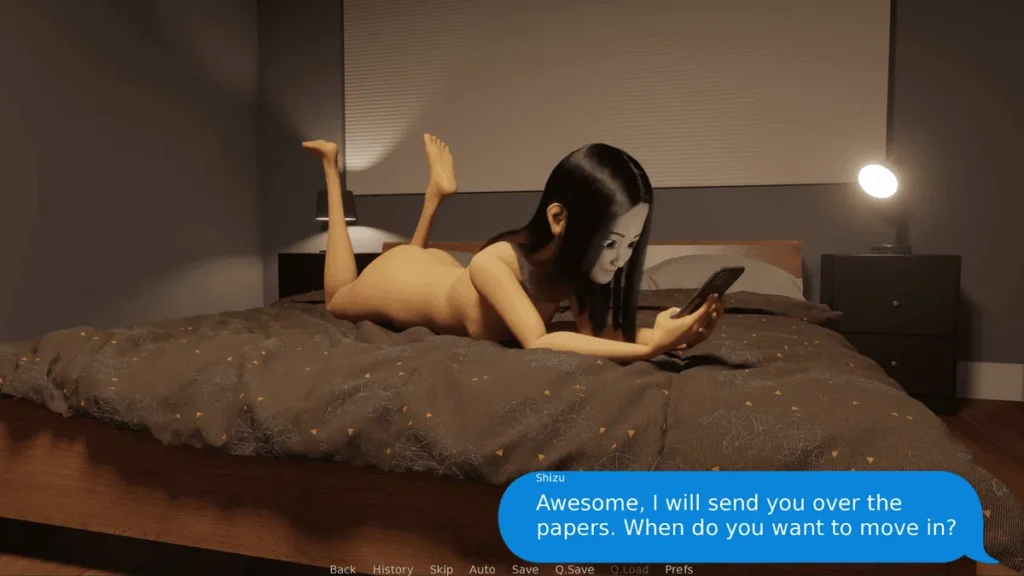

Say It Again review
Everything you need to know about this visual novel experience
Say It Again is a visual novel experience that has gained attention in the adult gaming community for its engaging narrative and character development. This comprehensive guide explores what makes this game unique, from its storytelling approach to its visual design and gameplay mechanics. Whether you’re a seasoned visual novel enthusiast or curious about the genre, understanding the key aspects of Say It Again will help you determine if it aligns with your gaming preferences. We’ll break down the essential information about this title, including its features, gameplay style, and what players appreciate most about their experience.
Understanding Say It Again: Game Overview and Core Features
Ever stumbled upon a game that just clicks? One where you load it up, and within minutes, you’re not just playing—you’re living in its world? That was my exact experience with Say It Again. I went in expecting a standard narrative, maybe some nice artwork, but what I found was a captivating character-driven narrative that refused to let go of my attention. This isn’t just another title on a list; it’s a meticulously crafted interactive storytelling game that understands the power of a well-told story and meaningful choice.
If you’re curious about this standout Say It Again visual novel, you’ve come to the right place. Let’s pull back the curtain and explore everything that makes this game a memorable experience.
What is Say It Again and How Does It Work?
At its heart, Say It Again is a digital choose-your-own-adventure book brought to life with stunning visuals, evocative music, and compelling voice acting. You step into the shoes of the protagonist, navigating a story where your decisions directly shape relationships, alter conversations, and guide the narrative toward one of several possible conclusions. The core premise often revolves around connection, introspection, and the complexities of human interaction, all delivered through a mature lens that defines its unique adult visual novel experience.
So, how does it actually work? The visual novel gameplay mechanics are elegantly simple on the surface but deeply impactful in practice. You spend most of your time reading prose and character dialogue, with the story unfolding across beautifully illustrated backgrounds. At key moments, the game will present you with a choice. These aren’t always earth-shattering “save the world” decisions; often, they’re subtle—what to say in a vulnerable moment, how to react to a bit of news, or where to focus your attention.
I remember one early choice that seemed trivial: compliment a character’s dedication or their results. I didn’t realize it was quietly setting the tone for our entire dynamic. That’s the magic here—your agency feels real.
This is where the “interactive” part of interactive storytelling game truly shines. The game tracks your choices through a largely invisible flag system. Your selected dialogue options and actions raise or lower hidden relationship meters with other characters and lock in narrative flags that determine which scenes you see and, ultimately, which ending you achieve. There’s no combat, no puzzles to solve in the traditional sense. The challenge and the engagement come from understanding the characters and thinking about the consequences of your words.
The technical execution is seamless. The interface is clean and unobtrusive, with standard visual novel controls for auto-read, skipping previously seen text, and saving/loading. The save system is typically generous, allowing you to create multiple save slots—a feature I always appreciate, as it lets me go back and explore a “what if” scenario without replaying hours of content. Navigating the story is intuitive, making it accessible whether you’re a veteran of the genre or a complete newcomer curious about Say It Again game features.
Key Features That Define the Experience
What separates a good visual novel from a great one? It’s the sum of its parts, and Say It Again assembles those parts with care. Let’s break down the core Say It Again game features that define the journey.
- Meaningful Choice and Consequence: This is the bedrock of the experience. Your choices carry weight. They don’t just lead to different dialogue; they can open up entirely new story branches, close off others, and fundamentally change how characters perceive and interact with you. This creates a powerful sense of ownership over the story.
- Deep, Flawed Characters: The characters in Say It Again feel refreshingly human. They have histories, insecurities, desires, and contradictions. The character-driven narrative ensures the plot serves the characters, not the other way around. You learn about them through conversations, internal monologues, and subtle animations, building connections that make every decision feel personal.
- Mature Storytelling: When we talk about an adult visual novel experience, it’s crucial to clarify: “adult” here refers to thematic maturity, not just content. The game tackles complex emotions, relationships, and personal growth with nuance and respect. It expects its audience to engage with these themes thoughtfully.
- Pacing and Atmosphere: The game masters the art of pacing. It knows when to let a quiet, reflective moment breathe and when to ramp up the emotional tension. This is heavily supported by its original soundtrack and sound design, which immerse you completely in the game’s world.
- Replayability: With multiple narrative paths and endings, your first playthrough is just the beginning. Discovering how different choices ripple through the story provides significant incentive to revisit chapters and explore alternative outcomes, a hallmark of well-designed visual novel gameplay mechanics.
To see how Say It Again stacks up in the broader genre, let’s look at a quick comparison of its core philosophy against other common approaches.
| Feature | Say It Again’s Approach | Common Genre Approach |
|---|---|---|
| Narrative Focus | Character psychology & relational dynamics; slow-burn emotional payoff. | Often plot-centric or comedy-focused; faster, more direct payoff. |
| Player Agency | Choices are subtle, psychological, and build long-term relationship flags. | Choices can be more obvious (good/neutral/bad) or lead to immediate, dramatic forks. |
| Thematic Depth | Prioritizes mature, introspective themes about connection, identity, and past trauma. | Range varies widely from lighthearted romance to supernatural thriller; depth is not always the primary goal. |
| Art Style Integration | Art is used to convey emotional states and subtle character shifts; a core narrative tool. | Art is often decorative or functional (showing characters/locations); may not be deeply tied to narrative tone. |
| Ending Variability | Endings feel like organic conclusions to your specific relationship journey. | Endings can sometimes feel like checkpoints (e.g., “Route Complete”) or be highly numbered. |
As you can see, Say It Again carves its niche by focusing on depth and authenticity over quantity or shock value. This focused vision is a direct result of its development. Often created by a smaller, passionate team or even a single developer, the game benefits from a unified creative direction. Every element, from the writing to the music, feels like it’s working in concert to deliver a specific, resonant experience. This passion project feel is part of what makes discovering a game like this on platforms like Say It Again itch.io so rewarding.
Visual Design and Artistic Elements 🎨
If the writing is the soul of a visual novel, then the art is its face and its heart. And here, Say It Again doesn’t just meet expectations—it excels. The visual design philosophy is clearly centered on emotional resonance and character authenticity.
First, let’s talk about the character artwork. It’s simply stunning. The character designs are distinct and memorable, avoiding generic anime tropes in favor of more personalized, detailed looks. But what truly impressed me were the expressions. A slight downturn of the lips, a flicker of doubt in the eyes, a subtle blush—the artist uses these minute details to convey a wealth of emotion that the text alone cannot. This synergy between writing and art is what makes the character-driven narrative so potent. You’re not just being told how a character feels; you’re seeing it, which forges a much stronger connection.
The environmental design is equally purposeful. Backgrounds aren’t just pretty pictures; they’re mood setters. A cluttered, cozy apartment tells a story about its occupant. A stark, empty street at dusk amplifies a feeling of loneliness or contemplation. The color palettes shift deliberately with the tone of the scene—warmer tones for intimate moments, cooler, desaturated shades for moments of tension or sadness. This attentive visual design ensures you’re always feeling the story, not just reading it.
The user interface (UI) deserves a shout-out for its clarity and elegance. It stays out of the way, with clean text boxes and intuitive menus. Special effects are used sparingly but effectively—a gentle fade, a focused spotlight on a character during a monologue, or a screen filter to indicate a flashback or a shift in perception. These technical aspects might sound minor, but they are crucial for maintaining immersion. A clunky save menu or distracting UI can pull you right out of the narrative, and Say It Again expertly avoids these pitfalls.
Player feedback consistently praises this holistic presentation. Comments often highlight how “immersive” the experience feels, citing the combination of art, music, and writing as a “complete package.” This immersion is the ultimate goal of any interactive storytelling game, and it’s where Say It Again truly delivers. It demonstrates that for a visual novel gameplay mechanics to be effective, they must be supported by an equally compelling aesthetic vision.
Finally, its home on Say It Again itch.io is significant. itch.io is a platform known for hosting innovative, independent games directly from developers. This often means a more direct line between creator and community, potential for updates based on feedback, and the feeling that you’re supporting a passionate artist. It also makes the game highly accessible, requiring just a few clicks to purchase and download directly to your computer.
In summary, Say It Again is a testament to the power of focused, mature storytelling in the visual novel medium. It proves that by prioritizing deep characters, meaningful choices, and a cohesive artistic vision, you can create an adult visual novel experience that lingers in the player’s mind long after the final choice is made. It’s more than a game; it’s an emotional journey you help shape, and that is its greatest achievement.
Say It Again stands out in the visual novel landscape as a title that prioritizes both artistic presentation and meaningful storytelling. The game’s strength lies in its well-developed characters, engaging narrative structure, and the quality of its visual design that players consistently praise. From the immersive dialogue to the branching story paths that reward player choices, Say It Again offers an experience that resonates with fans of character-driven narratives. The community’s positive reception reflects the care taken in crafting this interactive experience. Whether you’re drawn to visual novels for their storytelling, character relationships, or artistic merit, Say It Again delivers on multiple fronts. For those interested in exploring this game, starting with the available demos or community reviews can help you determine if it matches your preferences. The game continues to be a notable entry in the adult visual novel genre, appreciated for treating its narrative with the same respect as its visual presentation.