Lost in Paradise
Play Lost in Paradise
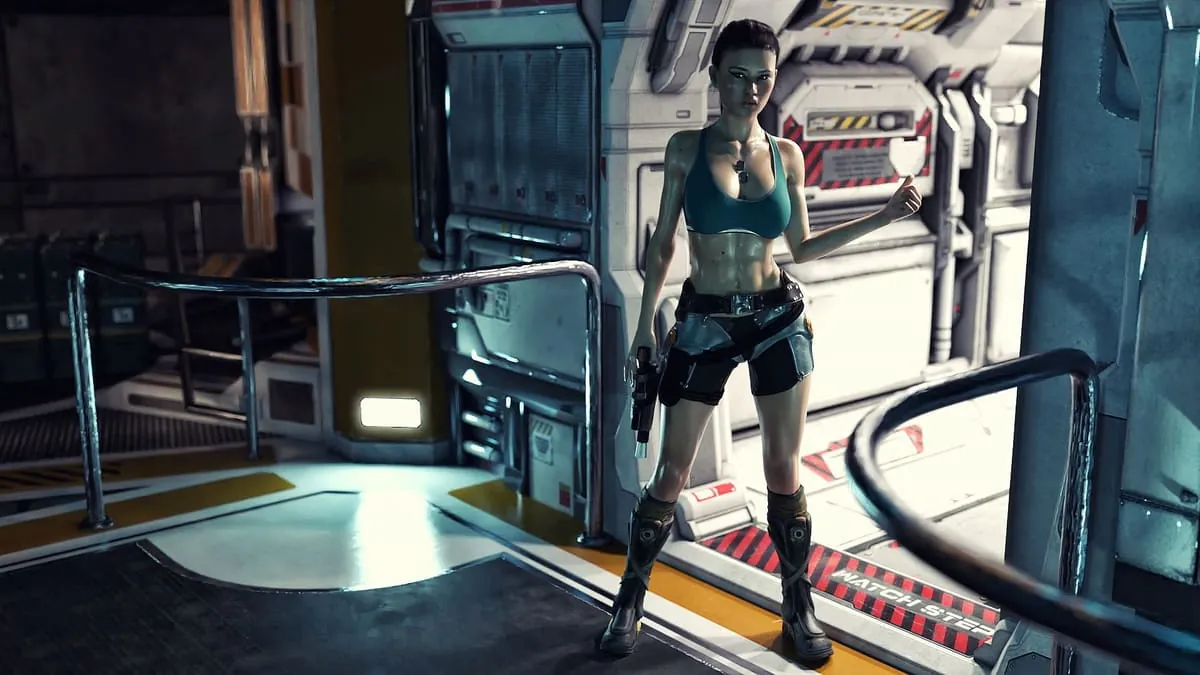
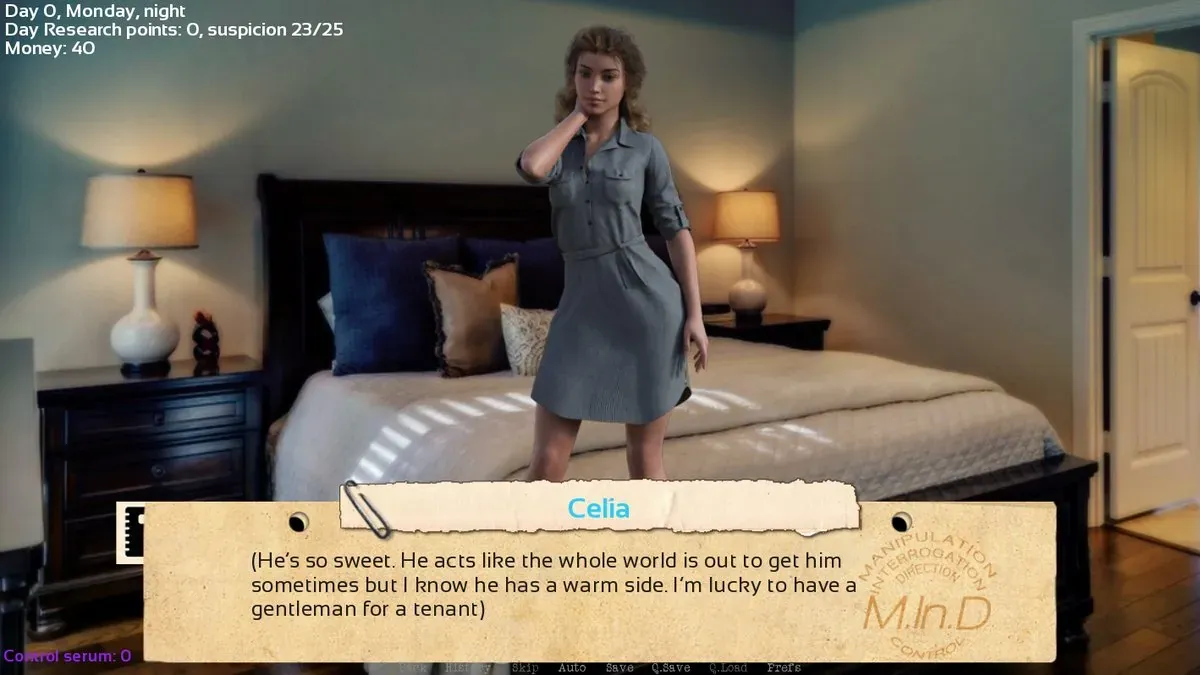
Lost in Paradise Screenshots


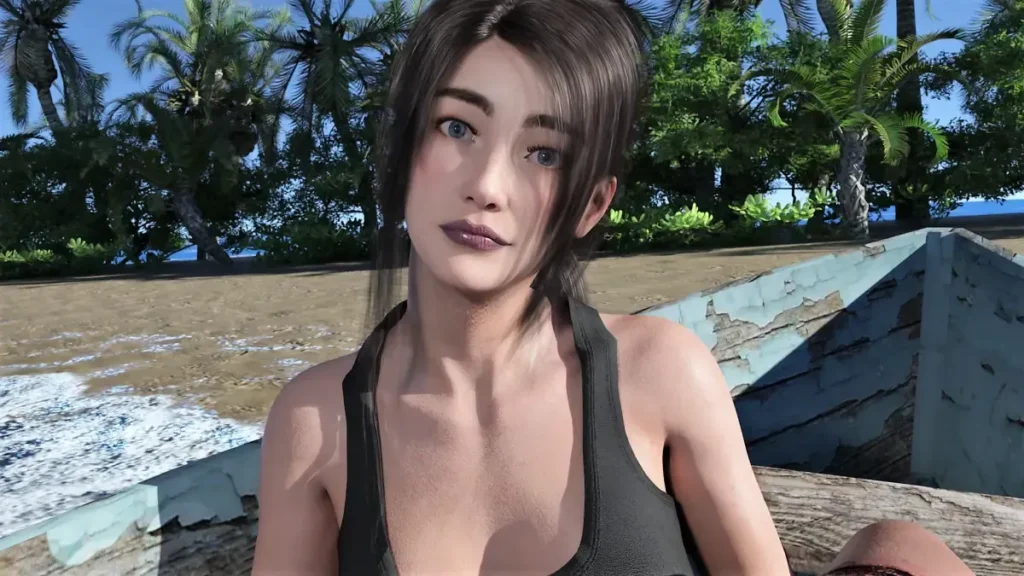

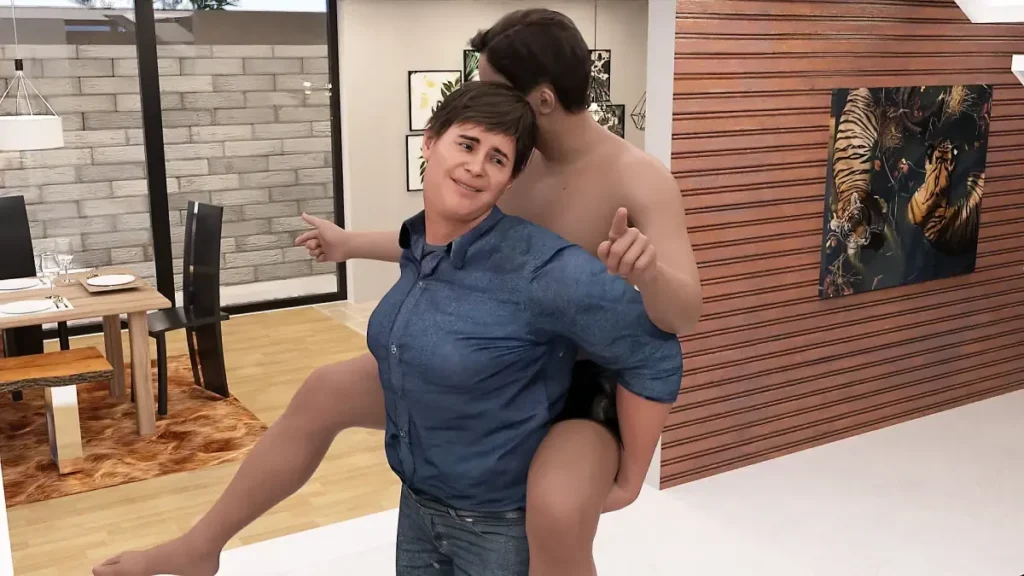

Lost in Paradise review
A player-focused walkthrough, insights, and practical tips for Lost in Paradise
Lost in Paradise is a single-game deep dive that explains what the game offers, how to approach its mechanics, and practical strategies to make progress quickly. In this article I walk you through my personal experience with Lost in Paradise, highlight core systems, and share step-by-step guidance and anecdotes that helped me unlock content and enjoy the game more. Whether you’re starting fresh or returning after a break, this guide focuses only on Lost in Paradise and aims to answer the questions players search for most.
Getting Started with Lost in Paradise
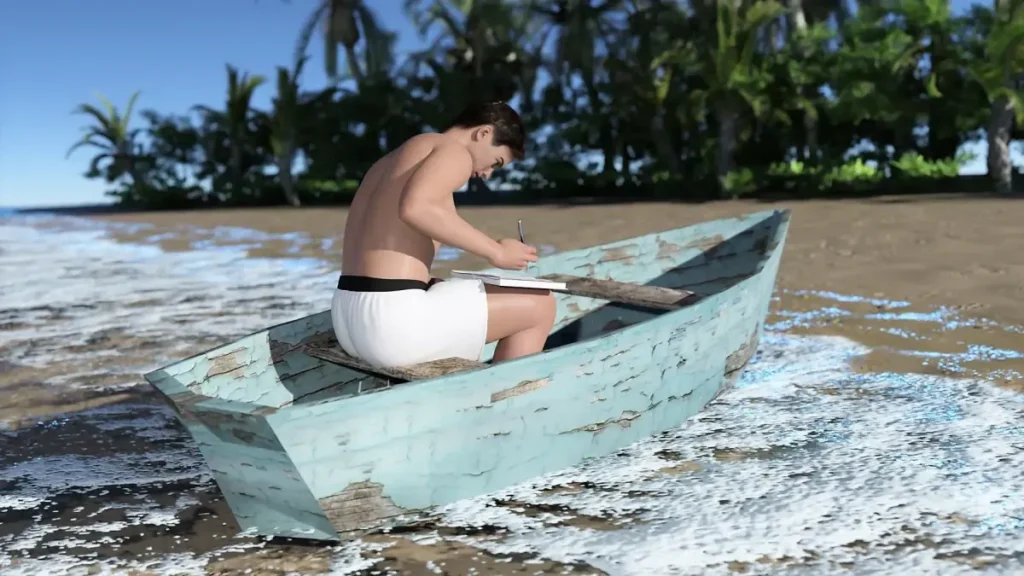
My first hour with Lost in Paradise was equal parts wonder and mild panic. 😅 I remember the screen fading in from black, the sound of gentle waves and distant birdsong filling my headphones. My character was standing on a sun-drenched beach, and my immediate thought wasn’t about survival—it was pure awe at the vibrant, lush landscape. But that serene feeling? It lasted about five minutes. The initial impressions are deliberately overwhelming in the best way; the UI is clean but full of icons you don’t recognize yet, and the game throws you right into its beautiful world with minimal hand-holding. This is the core charm and the first challenge. Your first session is about swapping that initial “wow” for a sense of “okay, I can do this.” Consider this your friendly guide through the welcoming chaos.
This section is your essential how to start Lost in Paradise manual. We’ll cover everything from getting the game running smoothly to setting your early objectives so you can move from confused beachcomber to confident island resident. Let’s get you properly shipwrecked.
What to expect on your first session
The game’s opening is a masterclass in atmospheric immersion. You won’t be greeted by lengthy text scrolls or a complex character creator. Instead, you’re simply there. The onboarding process is integrated into the environment. A gentle prompt might suggest you “look for fresh water” or “inspect the old crate washed ashore,” which are your first subtle tutorials. The game teaches its core mechanics—gathering, crafting, and exploring—by giving you immediate, tangible needs.
A common early pitfall is trying to do everything at once. You’ll see sparkling resources everywhere, mysterious paths into the jungle, and the day-night cycle will begin its countdown. My personal lesson learned? Stop and breathe. The most important Lost in Paradise beginner tips often revolve around patience. Interact with everything highlighted in your first small area. Read the flavor text on items; it often contains hints. The first hour is less about grand achievement and more about building a foundation of understanding. You’ll likely feel a little lost, and that’s perfectly by design. Embrace the discovery!
Installation, system tips and initial settings
Before you can hear those waves, you need to get the game on your machine. This Lost in Paradise install guide is straightforward, but a few smart steps can prevent headaches later. The game is available on major PC platforms and consoles. Once you initiate the download, use that time productively!
First, let’s talk tech. Meeting the Lost in Paradise system requirements is key for a smooth, visually stunning experience. Here’s a quick reference table to check against your setup:
| Component | Minimum Requirements | Recommended Settings |
|---|---|---|
| OS | Windows 10 64-bit | Windows 10/11 64-bit |
| Processor | Intel Core i5-4460 | Intel Core i7-7700 |
| Memory | 8 GB RAM | 16 GB RAM |
| Graphics | NVIDIA GTX 960 2GB | NVIDIA GTX 1660 Ti 6GB |
| DirectX | Version 11 | Version 12 |
| Storage | 15 GB available space | 20 GB available space (SSD recommended) |
🔧 Personal Tip: I highly recommend installing on an SSD if possible. It drastically reduces loading times when entering dense jungle areas or your growing base camp.
Now, for your initial settings launch the game and head straight to the options menu before diving into a new save. Here’s what to prioritize:
* Graphics: Start with the “High” preset. If your framerate stutters, first lower shadows and foliage density. These are often the most demanding settings but have a huge visual impact when kept high.
* Controls: Take a minute to look over the keybindings. The default layout is intuitive, but if you prefer certain actions on different keys, change them now. I personally remapped “Use” to a more accessible key.
* Performance: Enable the FPS counter in the display settings if you’re on PC. It’s the best way to gauge the impact of your graphic adjustments. Also, V-Sync can help with screen tearing but may add input lag; test what feels best for you.
A critical step in any Lost in Paradise install guide should be discussing save files. The game auto-saves frequently, but it’s wise to know where these are. On PC, you can usually find them in your Documents folder. Consider making a manual backup of your save folder every few real-world hours of play. It’s a lifesaver if a file ever becomes corrupted. For basic troubleshooting, if the game won’t launch, always verify the integrity of game files through your platform first—it solves a majority of issues.
Early goals: what to prioritize
Okay, the game is running beautifully, and you’re standing on the beach. Now what? Your Lost in Paradise first hour should focus on three clear, sequential objectives. This is the core of your Lost in Paradise early objectives.
- Secure Basic Survival: Your initial needs are water, food, and shelter from the night. Follow the early prompts to find a freshwater source. Gather coconuts from the ground (not the trees yet!) and any shellfish on the rocks. Your first practical tip is to never pass by stones or sticks; pick them up. They are the building blocks of everything. Your very first craft should be a Simple Tool, which speeds up gathering immensely.
- Establish a Base Camp: Don’t wander too far yet. Find a relatively flat, open area near fresh water and start building. A Basic Shelter is your top priority. It serves as a respawn point and protects you from the elements. Then, craft a Storage Chest. Hoarding is good here! Storing your resources keeps them safe and declutters your immediate inventory.
- Unlock Essential Recipes: Early progression is gated behind the crafting menu. Your first targets should be the Crude Axe and Crude Pickaxe. These tools allow you to harvest wood and stone efficiently, unlocking the next tier of building and crafting. Check your craft menu often; new recipes unlock automatically as you pick up new resource types.
For resource management, my advice is to gather in bursts. Set a small goal: “I need 20 wood and 15 stone.” Go get that, return to camp, store it, and craft what you can. This cycle prevents you from being caught far from home when night falls. Pacing is everything. Don’t rush into the deep jungle or caves until you have a reliable weapon, a steady food source, and a bed to skip the night.
To wrap up this starter chapter, here is your actionable checklist for a perfect, productive first session. These Lost in Paradise beginner tips in list form will set you on the path to paradise.
- ☑️ Adjust graphics and control settings before playing.
- ☑️ Gather stones, sticks, and fiber from the immediate beach area.
- ☑️ Craft a Simple Tool followed by a Crude Knife.
- ☑️ Locate fresh water and build your Basic Shelter nearby.
- ☑️ Craft a Storage Chest and deposit all spare resources.
- ☑️ Unlock and build a Campfire for cooking and light.
By following this guide, you transform that initial beautiful overwhelm into a clear, actionable plan. You’ll move from feeling lost to feeling right at home, ready to uncover the deeper mysteries of the island. Remember, every expert island survivor once spent their Lost in Paradise first hour staring at a palm tree, wondering what to do next. Yours will now be far more productive. Happy exploring! 🌴✨
Lost in Paradise offers a distinct player experience that rewards thoughtful progression, attention to character routes, and efficient resource management. Throughout this guide I shared hands-on tips from first-session setup through endgame planning, plus checklists and examples you can apply right away. Try the suggested first-session checklist, follow the progression priorities, and test one advanced tactic per play session—then adjust based on what works for your playstyle. If you found these strategies useful, try them in your next session and share your results with the community so other players can learn from your experience.