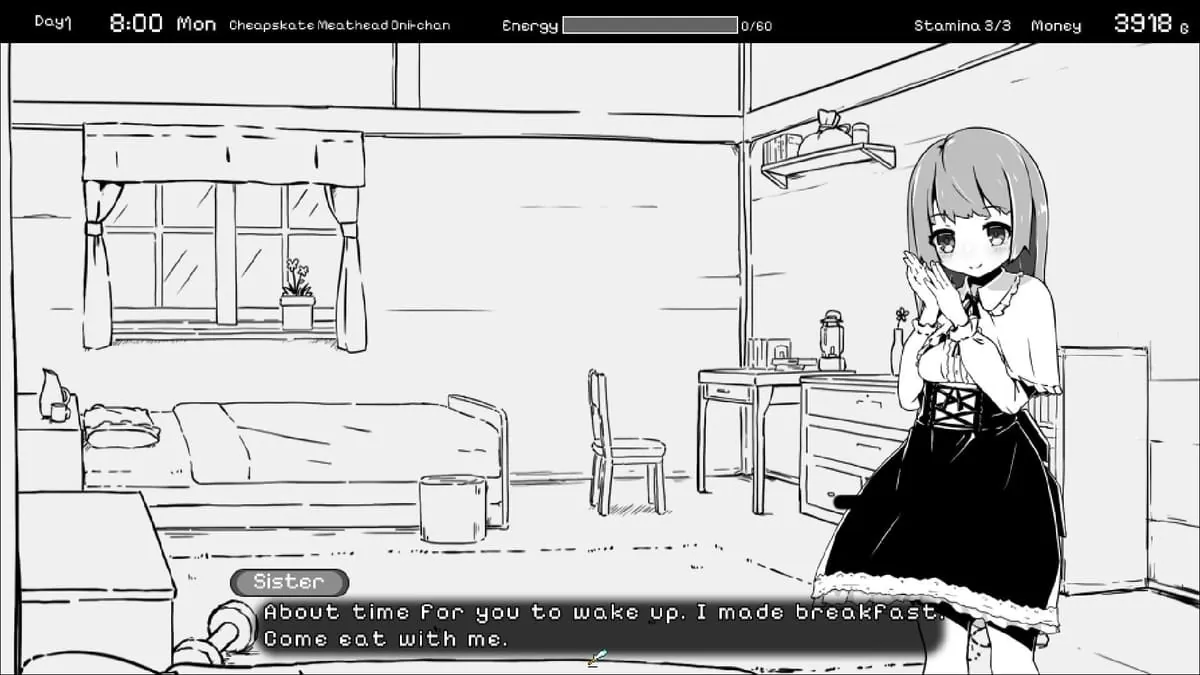
Kaiju Princess Screenshots


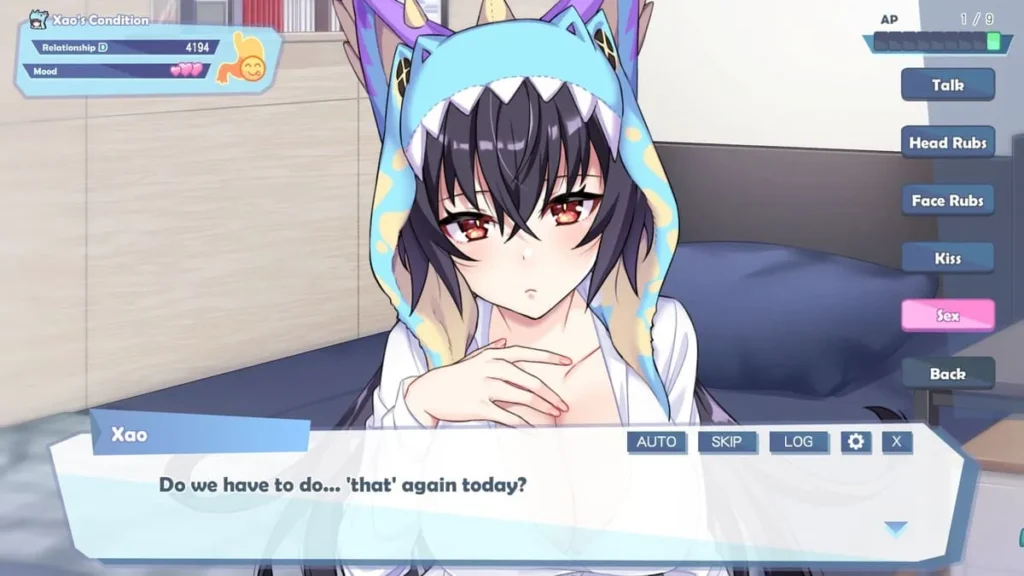

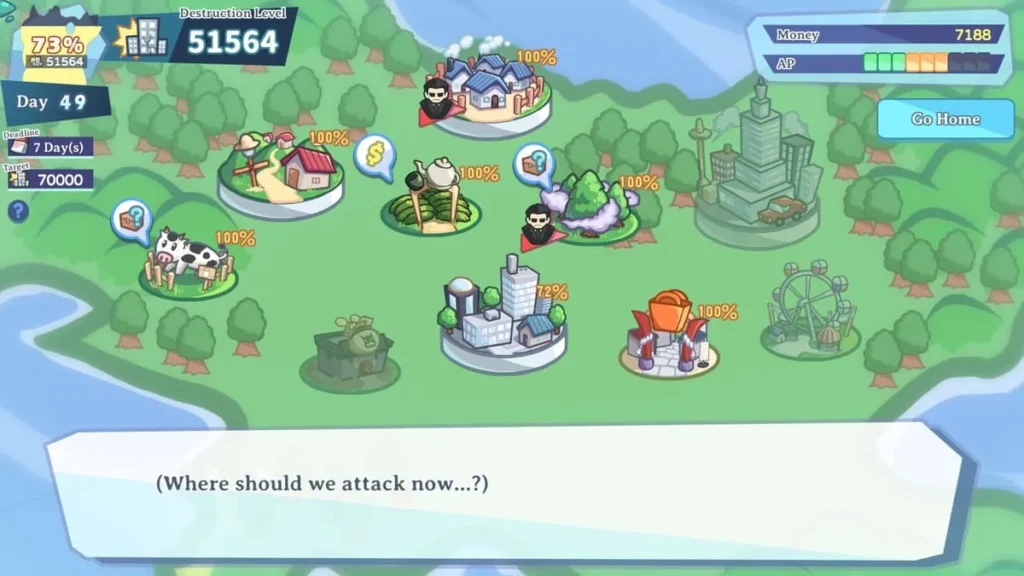
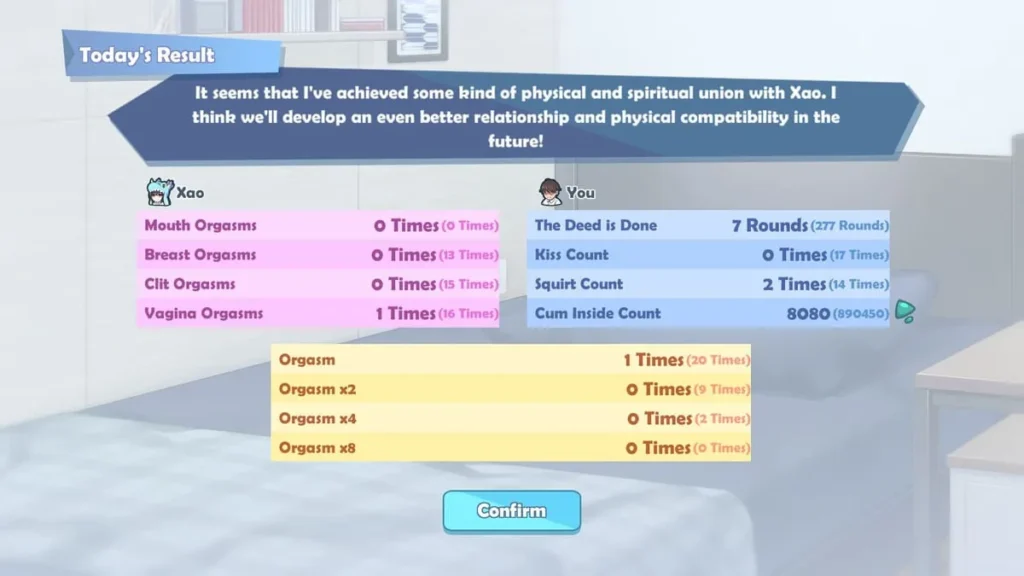



Kaiju Princess review
Exploring gameplay mechanics, story elements, and what makes this title stand out
Kaiju Princess has emerged as a distinctive entry in the management game genre, combining time management mechanics with narrative-driven storytelling. This game presents players with the unique challenge of managing daily tasks while navigating complex character relationships and planetary conquest objectives. Whether you’re interested in understanding the core gameplay loop, exploring the narrative structure, or evaluating whether this title matches your gaming preferences, this comprehensive guide covers everything you need to know about what makes Kaiju Princess a compelling gaming experience.
Gameplay Mechanics and Time Management Systems
If you’ve ever tried to juggle a full-time job, keep your home clean, and maintain a social life, you’ll have a head start on understanding the delightful chaos of Kaiju Princess gameplay mechanics. At its heart, this isn’t just a visual novel or a dating sim—it’s a surprisingly deep and demanding time management game system where every in-game minute counts. You play as a manager for a powerful, planet-threatening being who is now, for reasons beyond mortal comprehension, your roommate and responsibility. Your day is a precious commodity, split between caring for her, maintaining your shared space, earning money, and secretly saving the world. It’s a brilliant, stressful, and incredibly satisfying puzzle.
I remember my first in-game week vividly. I’d spend all my energy making the Kaiju Princess a perfect breakfast, only to realize I had no stamina left to clean the mold growing in the bathroom, which then negatively impacted her mood. I was broke, the apartment was a mess, and I was no closer to unlocking her story. I was managing everything poorly because I didn’t understand the core systems. Let’s fix that for you.
Understanding the Core Management Loop
The entire experience of how to manage Kaiju Princess revolves around a deceptively simple core loop: Energy → Action → Result → Progression. Your character has a pool of energy that depletes with every meaningful action. Every day, you must decide how to spend that limited resource across a dozen competing priorities. This is the essence of the Kaiju Princess gameplay mechanics that will either make or break your playthrough.
Think of it like a strategy game where your base is the apartment, your primary “unit” is the Princess, and your resources are time, energy, and money. The game progression systems are gated behind three intertwined pillars:
- Character Relationship: Your bond with the Kaiju Princess. Increased through conversation, gifts, and fulfilling her needs.
- Apartment Status: The condition of your living space. Managed through cleaning, repairs, and decorations.
- Global Conquest Progress: The hidden, overarching goal of managing her world-ending impulses and completing planetary objectives.
The magic (and the challenge) is that these pillars influence each other. 🤯 A dirty apartment lowers her mood, making relationship-building harder. A low relationship score might limit her effectiveness in conquest events. Successfully completing a conquest phase might reward you with items that boost apartment stats. The time management game systems force you to constantly evaluate this triangle of priorities.
The early game is intentionally overwhelming. You’re presented with a mountain of tasks and a thimble of energy to address them with. This is by design! The initial struggle teaches you the weight of every choice. You can’t do it all in one day, so you must learn to triage. Do you fix the leaking sink today, or do you work an extra shift to buy that gift she mentioned? This constant, meaningful decision-making is what sets its time management game systems apart from more passive life sims.
Energy Management and Daily Tasks
This is where your strategic mind needs to shine. Your daily energy pool is the absolute currency of the game. Once it’s gone, your day effectively ends, pushing you to the next morning where it’s partially refilled. Therefore, a solid energy management strategy is not a suggestion—it’s the only path to success.
Your daily task management list will look something like this:
* Apartment Care: Cleaning specific rooms, taking out trash, doing laundry, repairing broken appliances.
* Princess Care: Cooking meals, initiating conversations, giving gifts, participating in her chosen activities.
* Resource Acquisition: Working temp jobs for cash, engaging in “combat” or conquest events for special items, shopping for supplies.
* Long-term Projects: Saving up for a furniture upgrade, researching a new recipe, progressing a specific story beat.
Trying to do even one item from each category in a single day can exhaust you. The key is to view your tasks not as a checklist, but as a dynamic web of cause and effect. Here’s a practical tip from my own failures: Always check the Princess’s mood and needs first thing in the morning. If she’s hinting at wanting to go to the arcade, that activity might consume a lot of energy but give a massive relationship boost. If she’s content, maybe today is the day you focus entirely on earning money to buy that new sofa that permanently reduces cleaning time.
To help you visualize the daily task management puzzle, here’s a breakdown of common activities:
| Task Category | Example Activity | Energy Cost | Primary Reward | Priority Tip |
|---|---|---|---|---|
| Princess Care | Making a Favorite Meal | High | Large Relationship Boost, Mood Increase | Highest priority when her mood is low or a story event is pending. |
| Resource Acquisition | Office Temp Work | Medium | Guaranteed Money | The backbone of your economy. Schedule regularly to avoid poverty. |
| Apartment Care | Deep Cleaning a Room | Medium-High | Prevents Mood Decay, Unlocks Decor Slots | Don’t let it pile up! A “Filthy” status affects everything. |
| Conquest & Combat | Resolving a Planetary Crisis | Very High | Unique Items, Story Progression | Plan for these. Go in with full energy and a happy Princess for best results. |
| Social & Shopping | Buying a Gift | Low (Shopping only) | Variable Relationship, Item | Great for efficient, low-energy relationship bumps on busy days. |
Your energy management strategy evolves as you play. Early on, you’re reactive—putting out fires. Later, you become predictive. You’ll know that every Tuesday the trash needs to go out, and every Friday the Princess enjoys a specific show. You plan your high-energy tasks around these rhythms. The game brilliantly makes you feel like a real manager, optimizing a schedule for maximum efficiency and harmony. 🗓️✨
Progression Systems and Resource Allocation
Mastering the daily grind is one thing, but what are you grinding for? This is where Kaiju Princess reveals its depth. The game progression systems are layered, offering both short-term wins and long-term transformative upgrades. Your resource allocation guide must account for immediate needs versus future investments.
Let’s talk about resources. The main ones are:
* Money (Credits): Earned primarily through work. Used for food, gifts, basic repairs, and cheap decor.
* Special Items: Earned from conquest events or as rare gifts. Used for deep relationship milestones, major apartment upgrades, and unlocking special scenes.
* Relationship Points: The invisible currency of your bond. Unlocks new dialogue, story branches, and character insights.
* “Satisfaction” Points: A meta-currency representing your overall management success. Often rewards completing daily task sets or maintaining streaks.
Early on, you’ll be starved for all of them. You might spend your first big payday on a new game console for the Princess, only to realize you can’t afford to fix the heater, which makes her catch a cold. Oops. This is the painful, hilarious learning curve. A smart resource allocation guide emphasizes stability first. Your first major purchases should often be apartment upgrades that save you time or energy: a better vacuum cleaner (reduces cleaning energy cost), a quality mattress (increases daily energy recovery), or an automatic cooker (guarantees a decent meal with less effort).
The game progression systems truly open up once you achieve this baseline stability. You can start specializing. Do you focus your resources on maxing out your relationship to see all her personal story? Or do you invest in conquering planets faster to get those powerful end-game items? Perhaps you want a perfectly decorated, pristine apartment just for the satisfaction. The time management game systems support all these playstyles, but they require different allocation strategies.
Here is a step-by-step progression guide based on my experience, moving from early-game survival to late-game mastery:
- The Survival Phase (Days 1-7): Your only goal is to avoid total collapse. Prioritize daily task management that generates cash (temp work) and prevents apartment decay. Accept that you can’t do everything. A simple, clean home and a fed Princess is a victory. Ignore conquest events for now.
- The Stabilization Phase (Week 2): You’re earning consistent money. Now, invest your first savings into one quality-of-life upgrade for the apartment (e.g., the better vacuum). This is your first taste of strategic resource allocation. Start mixing in low-energy social tasks.
- The Growth Phase (Weeks 3-4): With a more efficient routine, you have energy to spare. Begin tackling minor conquest events. Use the special items you earn to deepen your relationship or buy a major decor piece that boosts stats. This is where the core Kaiju Princess gameplay mechanics start to sing.
- The Optimization Phase (Month 2+): Your energy management strategy is second nature. You know the weekly schedule by heart. You can now plan entire days around specific goals, like saving for the ultra-expensive interstellar aquarium or triggering a major story sequence. The game becomes less about struggle and more about perfect execution of your personal management vision.
Eventually, you do reach a point of mastery where the loop can feel repetitive—but that’s true of any great management sim. The joy shifts from “Can I do this?” to “How efficiently can I do this?” and “What ending do I want to create?” The initial, punishing learning curve is what makes the eventual feeling of control so rewarding. You’re not just following a story; you’ve earned that story through clever time management game systems and smart planning.
Understanding these Kaiju Princess gameplay mechanics—the push-and-pull of energy, the hierarchy of tasks, and the long-term reward of smart resource investment—is the key to transforming from a floundering assistant into the ultimate manager for your planetary-scale roommate. It’s a game that respects your time and intelligence, offering a deeply engaging puzzle for anyone who loves to see a well-optimized plan come together. Now, go forth and manage! The fate of your apartment—and maybe the world—depends on it. 🌍👑
Kaiju Princess stands out as a well-crafted management game that successfully merges time management mechanics with narrative storytelling. The game excels at creating an engaging gameplay loop that challenges players to balance multiple responsibilities while developing character relationships and pursuing planetary objectives. While the experience can become repetitive once players master the systems, the journey to that point offers genuine engagement and strategic depth. The game’s integration of narrative elements with gameplay creates a cohesive experience that appeals to players seeking something beyond traditional management games. Whether you’re drawn to the strategic challenge, the character-driven narrative, or the unique blend of gameplay elements, Kaiju Princess offers a distinctive experience in its genre. Understanding the game’s mechanics, story structure, and overall design philosophy helps potential players determine if this title aligns with their gaming preferences and interests.