Foster Home for Fantasy Girls
Play Foster Home for Fantasy Girls
Foster Home for Fantasy Girls Screenshots
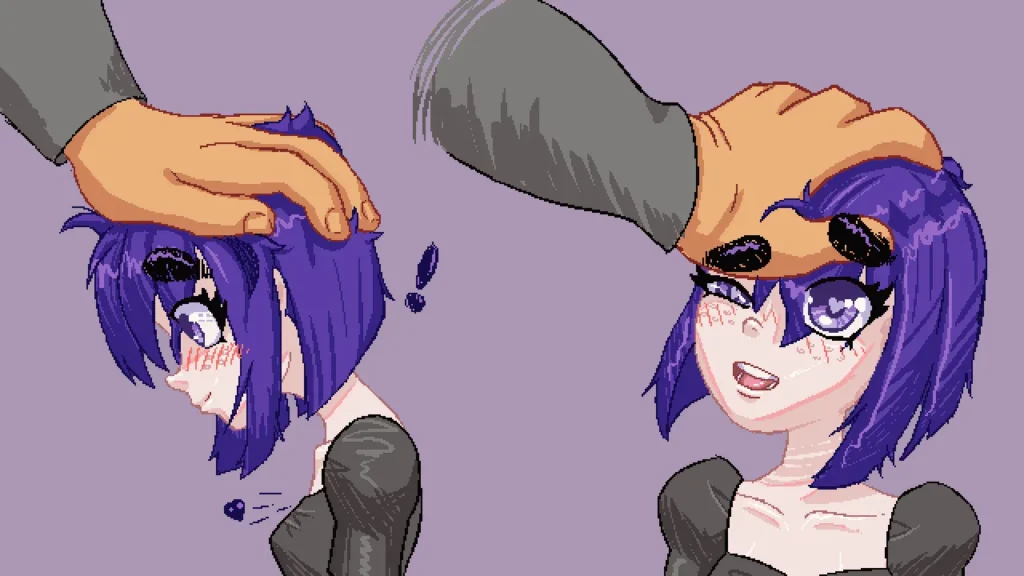

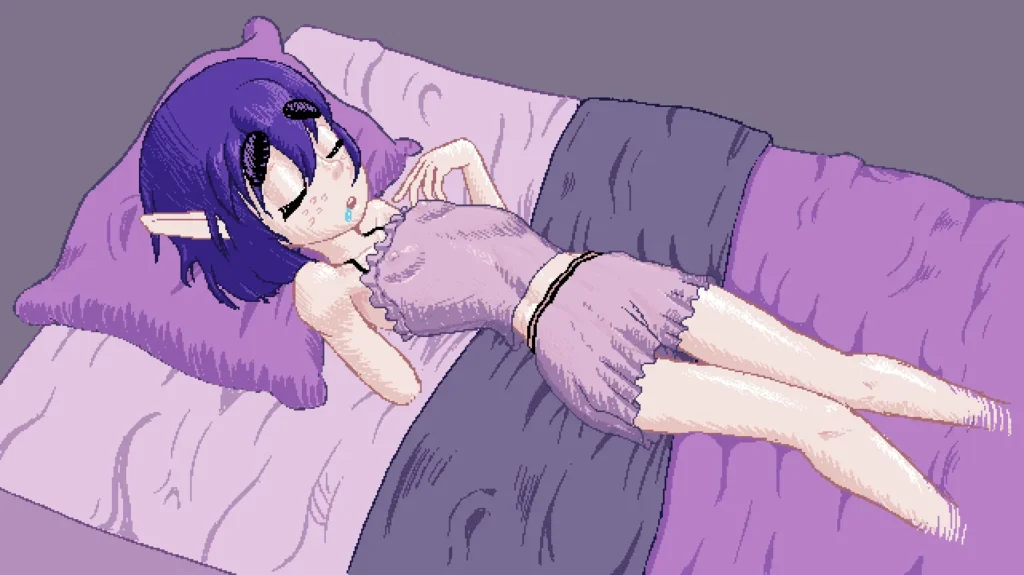
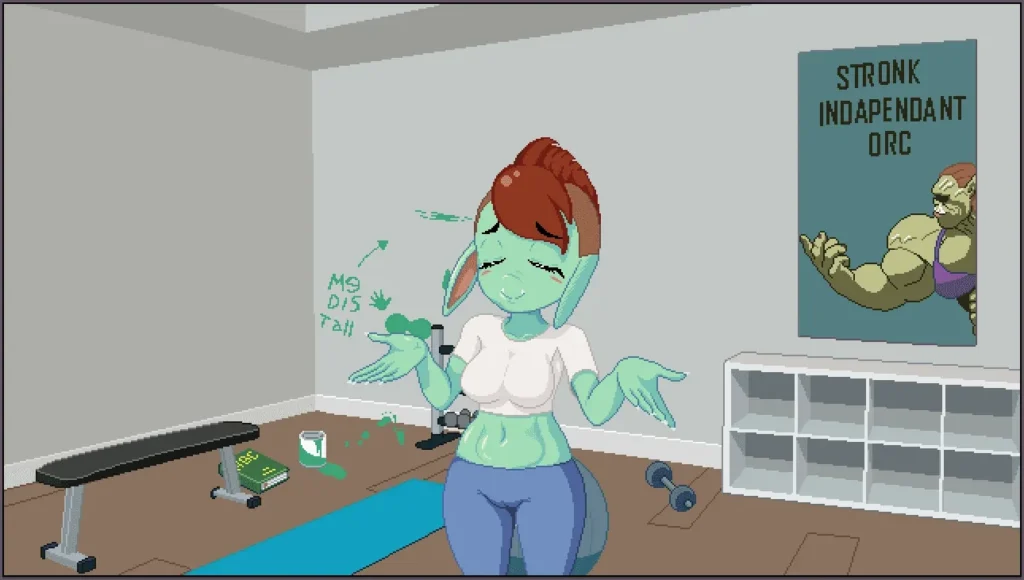
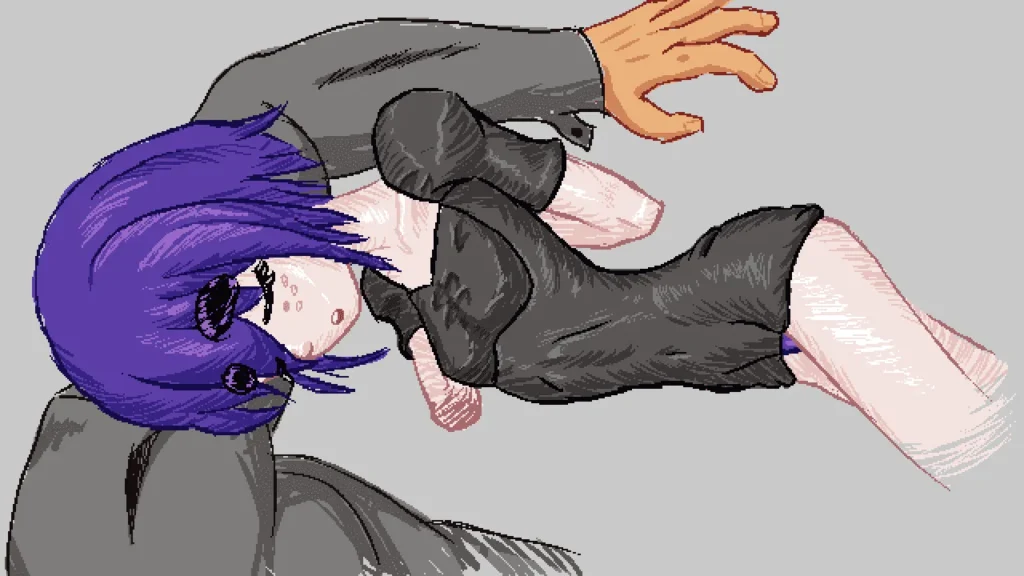
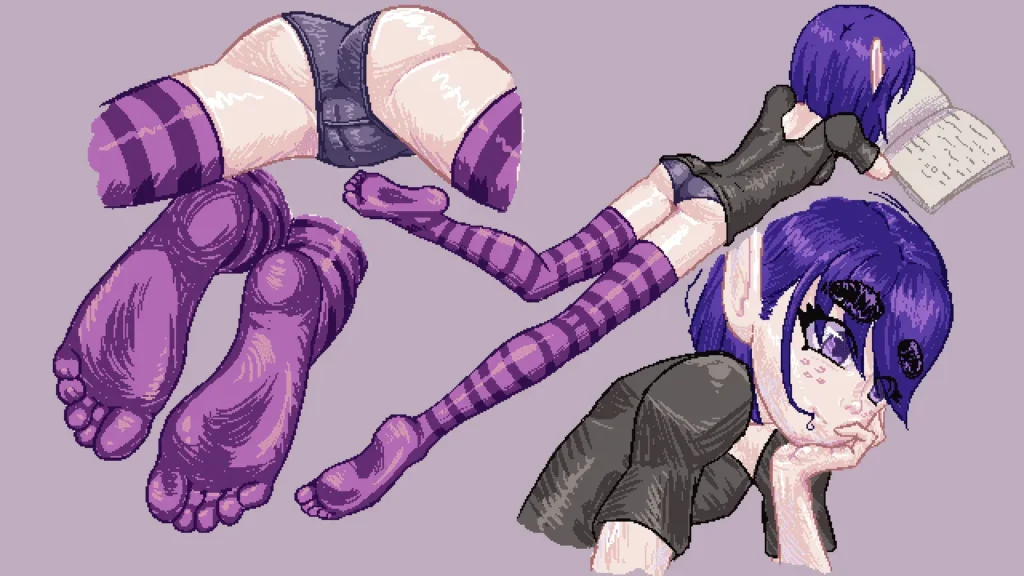
Foster Home for Fantasy Girls review
Dive into Training Magical Girls as a Battle Priest
Imagine stepping into the boots of a battle-hardened priest in Foster Home for Fantasy Girls, where the war against magical creatures ends not with a bang, but a revelation. I remember my first playthrough—purchasing my initial ‘damaged goods’ elf girl and watching her transform under my care. This Ren’Py simulator blends RPG elements with steamy interactions, letting you build a home for fantasy girls through training, bonding, and intimate scenes. From blowjobs to doggystyle encounters, it’s a relaxed adventure in a slavery-allowed fantasy world. Stick around as I share tips to master this pixel art gem and uncover its hidden depths.
What Makes Foster Home for Fantasy Girls a Must-Play?
I still remember the first time I booted up Foster Home for Fantasy Girls. 🕹️ It was one of those late-night deep dives, looking for something beyond the typical dungeon crawler. Most games had me slaying beasts without a second thought, but this one… it made me stop. The title itself posed a question. A Foster Home? For Fantasy Girls? My curiosity was instantly hooked. This wasn’t about conquest; it was about care, about rethinking everything I knew about monster girls in a deeply flawed world. That’s the unique magic of this experience, and it’s exactly why it’s a must-play.
So, what is Foster Home for Fantasy Girls? At its heart, it’s a narrative-driven life simulator built in the RenPy visual novel engine, but don’t let that label fool you. It swaps out epic battles for emotional ones, set in a gritty fantasy slavery world where your role isn’t to fight monsters, but to understand, heal, and train them. You are not a young hero, but a weary one, tasked with building a sanctuary from the scars of war. It’s a poignant, engaging, and surprisingly addictive twist on the fantasy genre.
Who Is the Bio-Enhanced Priest Protagonist?
Forget the spry, naive adventurer. The battle priest protagonist of Foster Home for Fantasy Girls is a breath of fresh, if somewhat weary, air. 🧔♂️⚔️ You play a mid-aged man, a veteran of a devastating final battle against a demonic invasion. The war is over, but peace has a price—literally. This new world operates on a harsh economy where everything, including people, has a cost.
You were once a frontline combatant, a priest enhanced with mystical bio-augmentations for war. Now, those same enhancements are your tools for a new life. With your military savings, you buy a plot of land in a remote town. But in this fantasy slavery world, prime “help” is exorbitantly expensive. Your pragmatic, perhaps compassionate, solution? You invest in what the market dismisses: the damaged goods girls.
These are the magical creatures and demihumans left broken by the war—physically scarred, emotionally shattered, or magically unstable. They are your charges. Your new purpose isn’t to wield your power against them, but to use your knowledge, patience, and strength to help them heal and grow. This battle priest protagonist trades his war mace for a teaching tool, and it’s this profound character shift that defines the entire game.
Why Shift from Monster Hunting to Training?
This is the game’s masterstroke. After a lifetime of conflict, the core loop of Foster Home for Fantasy Girls is about creation, not destruction. The “final battle” mentioned in the lore was so cataclysmic that it forced a global rethink. Simply killing every non-human entity is no longer sustainable or moral. Your character, having seen the worst of the fighting, is ideally positioned to pioneer this new path of monster girls training.
The gameplay reflects this beautifully. Your days are spent on a relaxed path: tend to your home, explore the quaint town, gather resources, and most importantly, interact with your girls. 🏡💬
Pro Tip: Your early actions set the tone. Are you a strict disciplinarian ensuring routine, a gentle carer focusing on comfort, or a pragmatic provider pushing skills? The game’s relationship system responds to your consistent behavior.
This monster girls training isn’t about issuing commands. It’s about observation, conversation, and fulfilling needs. You’ll learn their histories, their traumas, and what makes each unique being tick. You might help a timid fox-girl build confidence, or carefully manage the volatile magic of a sorceress suffering from backlash. Each success in training—a mastered skill, a shared laugh, a trauma overcome—feels more rewarding than any loot drop.
Here’s what makes this shift so engaging:
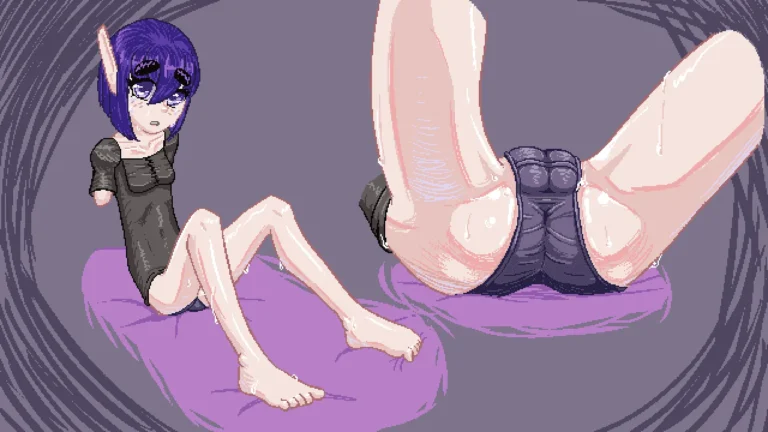
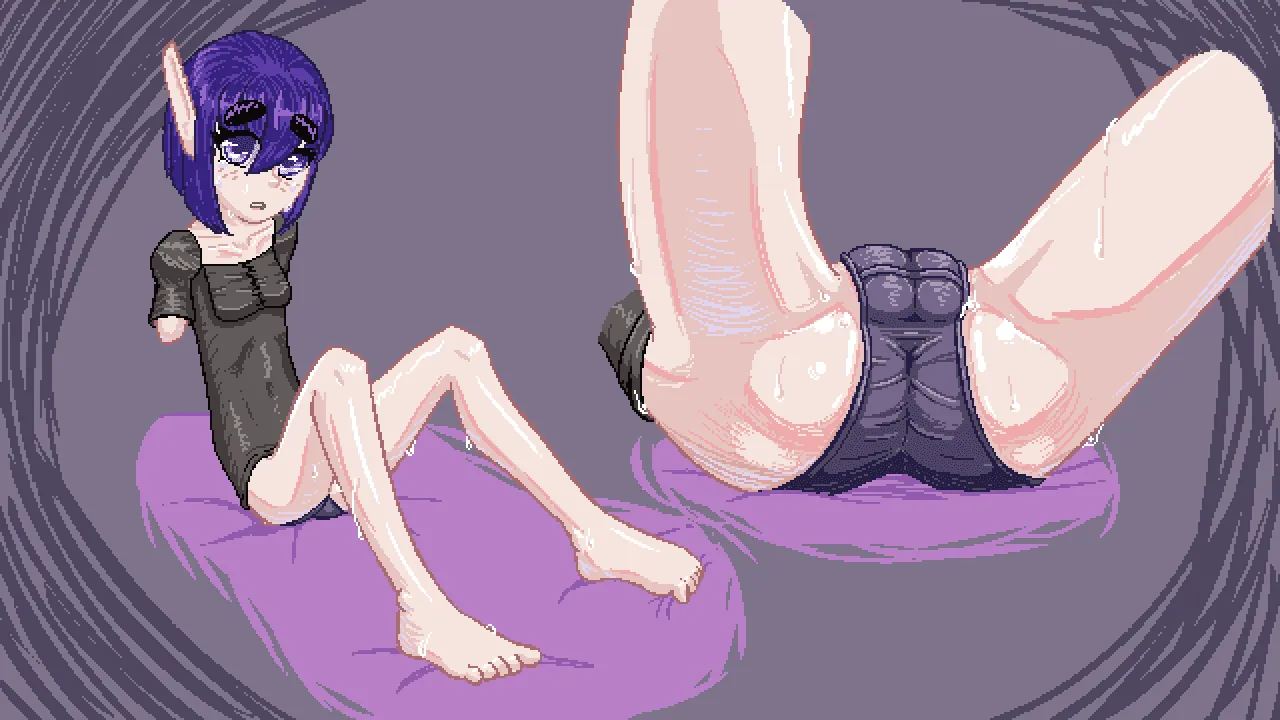
- Animated Pixel Scenes: 🤩 Expressive, well-crafted pixel animations bring the characters and certain key moments to life, adding a layer of charm and depth.
- Deep Relationship Building: Bonds are formed through dozens of small choices, shaping you as a provider, disciplinarian, and carer.
- Open-World Travel: The small town and surrounding areas are yours to explore at your own pace, uncovering secrets and new opportunities.
- Training & Management: Allocate time for different activities, manage wellbeing stats, and watch your charges slowly blossom under your guidance.
How Does the Small Town Setting Enhance Gameplay?
The remote town of Final Frontier (or Octopus in earlier versions) isn’t just a backdrop; it’s a character that reinforces the game’s themes. 🗺️🌄 This isn’t a bustling fantasy capital. It’s a quiet, somewhat rustic place on the edge of civilization—perfect for someone (and someones) looking for a fresh start. The small town setting directly enables the game’s relaxed, personal, and simple gameplay loop.
There’s no pressure to save the world. Your world is your homestead and the community around it. The leisurely pace allows you to truly sink into the role. You can spend a morning fishing at the pond, stop by the general store in the afternoon, and dedicate your evening to reading with one of your girls. This simplicity is the canvas upon which the deep, complex relationships are painted.
A quick note on versions and setup: The game is in active development. You’ll commonly find versions like 0.3.8 Final Frontier or the slightly older Octopus Part 2. It’s built in RenPy, which is generally user-friendly, but can have quirks.
Actionable Advice: When you first download the game (from reputable community sources like itch.io or the developer’s Patreon), you might need a simple status bar fix for the RenPy visual novel engine to display stats correctly on some systems. It’s usually a well-documented one-file edit. For mobile players, an APK is often available, but ensure your device has allowed installation from unknown sources in its security settings. The initial setup is straightforward—just point and click to start your new life.
The town also grounds the fantasy slavery world in a tangible reality. You see the economic struggle, meet other citizens dealing with the post-war reality, and understand your place within it. Your journey with your damaged goods girls becomes a small but significant beacon of change in this wider setting.
| Game Aspect | How the Small Town Enhances It |
|---|---|
| Pacing | No urgent quest timers. You progress relationships and stories day-by-day, in tune with the town’s slow rhythm. |
| Exploration | A manageable, lovingly detailed map encourages thorough exploration without being overwhelming. |
| Community Integration | Interacting with shopkeepers, the mayor, and other townsfolk makes your foster home feel part of a larger, living world. |
| Atmosphere | The rustic, peaceful vibe creates a stark and comforting contrast to the traumatic pasts of your wards and your own history as a battle priest protagonist. |
My first encounter in-game was with a wolf-girl, skittish and snarling, curled in the corner of the temporary kennel. The old me, the soldier, would have seen a threat. The new me, the foster parent, saw fear. I didn’t raise a weapon; I simply sat at a distance, spoke softly, and later returned with a blanket and a cut of meat. The slow burn of her eventually taking the food from my hand, ears still flat but tail giving a hesitant twitch, was a victory more profound than any boss fight.
Why is Foster Home for Fantasy Girls so addictive? For fans of narrative-driven fantasy and adult games, it offers unparalleled depth. It replaces mindless action with meaningful interaction. The joy comes from witnessing gradual change, from earning hard-won trust, and from building a home together. It’s a game about healing, and in doing so, it heals the player’s expectation of what a fantasy game can be. You’re not just playing a RenPy visual novel; you’re nurturing stories, one day at a time.
FAQ
Q: What’s the protagonist’s background before the game starts?
A: He is a veteran battle priest protagonist who fought in a massive, world-altering war against a demonic invasion. He was bio-enhanced for combat, but now uses his knowledge and skills for peace and rehabilitation.
Q: How harsh is the “fantasy slavery world” setting?
A: The setting is economically harsh and morally complex. Slavery is a normalized part of society, which forms the difficult context for your mission of care. The game doesn’t shy away from this, using it to highlight your choice to provide sanctuary and kindness.
Q: What’s the difference between versions like “Final Frontier” and “Octopus”?
A: “Octopus” refers to older builds of the game. “Final Frontier” is the newer, ongoing development version, featuring more content, refined mechanics, and the current town setting. Always look for the latest Final Frontier release for the most complete experience.
Foster Home for Fantasy Girls hooked me with its blend of heartfelt bonding and steamy encounters, turning a simple simulator into an unforgettable journey. From the battle priest’s redemption to nurturing your unique fantasy home, every training session and intimate moment builds something special. If you’re craving a relaxed Ren’Py adventure packed with pixel perfection and deep relationships, dive in today. Grab the latest version, fix those RenPy bugs, and start your collection—your new life awaits. What’s your first girl going to be? Share in the comments and let’s swap strategies!