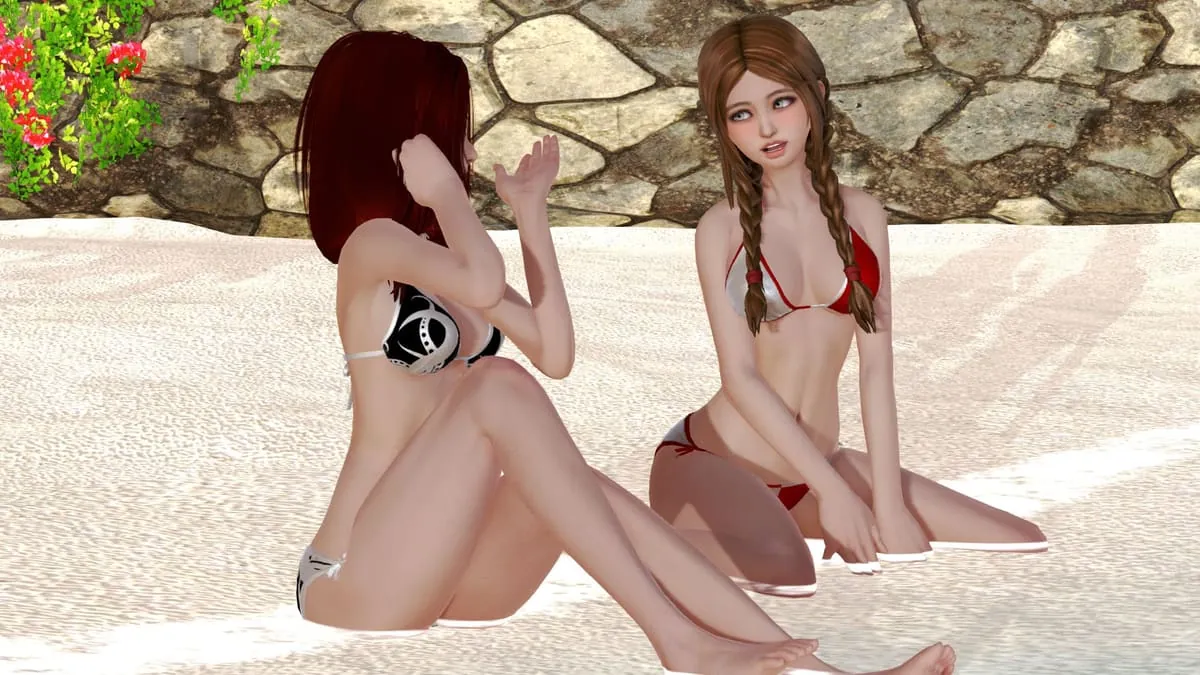
False Hero
Play False Hero
False Hero Screenshots




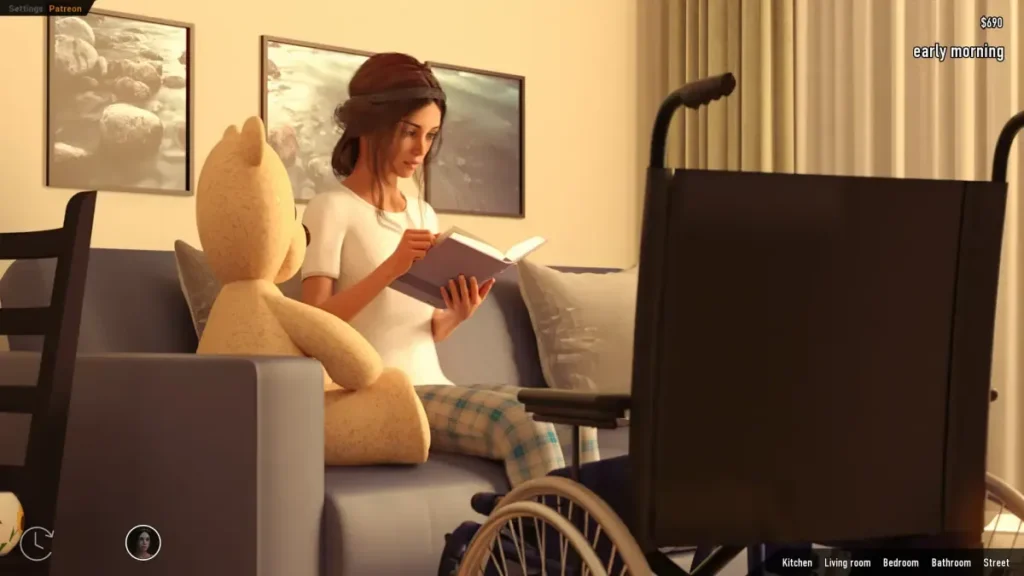
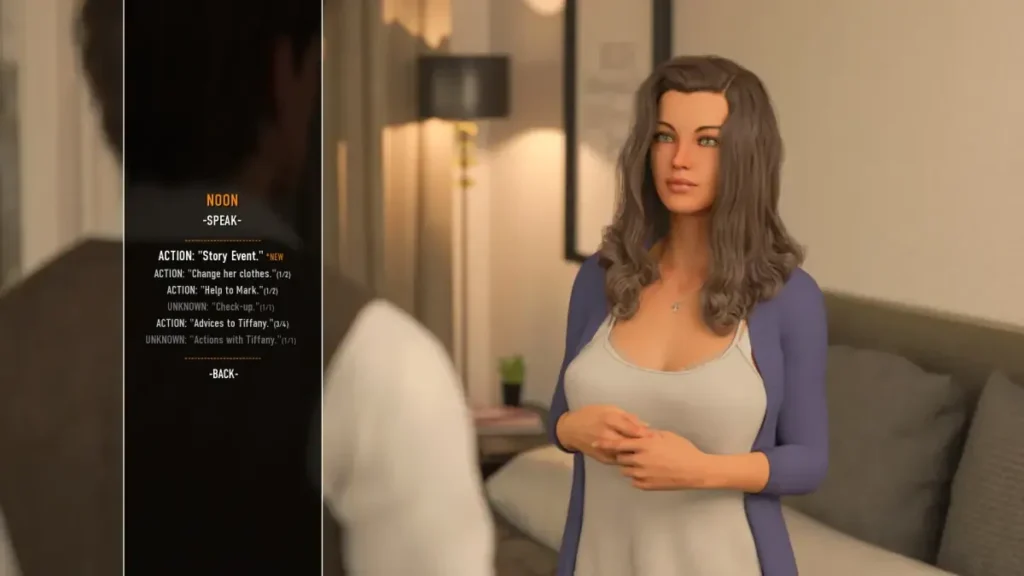











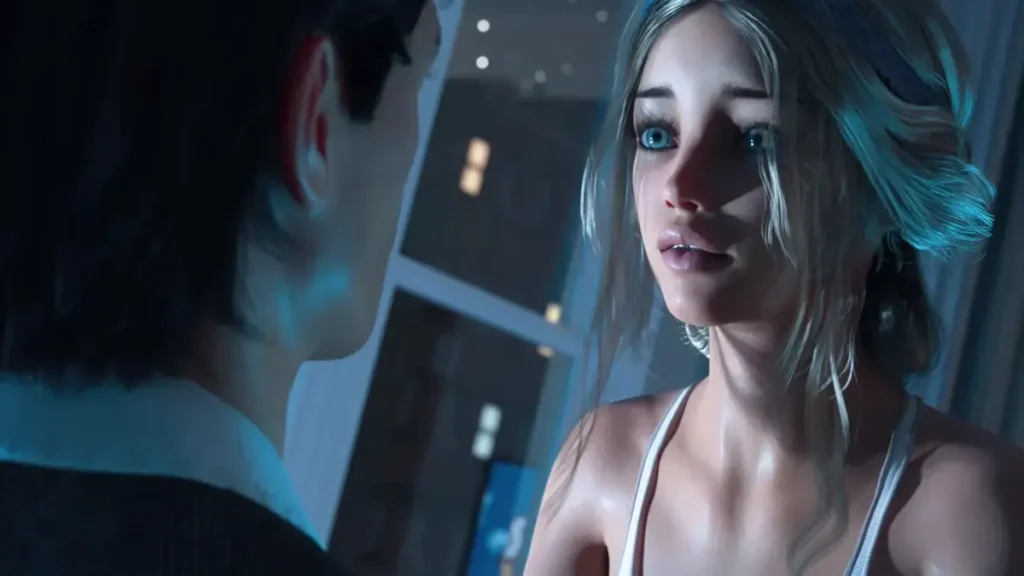








False Hero review
Everything you need to know about this adult visual novel experience
False Hero is an adult visual novel that has gained attention in the indie gaming community for its narrative-driven approach and character development. This comprehensive guide explores what makes this game unique, covering its storyline, gameplay mechanics, character roster, and what players can expect from the experience. Whether you’re curious about the game’s content, looking for tips to enhance your playthrough, or trying to decide if it’s worth your time, this guide provides everything you need to know about False Hero and its place in the visual novel genre.
Understanding False Hero: Game Overview & Core Mechanics
Ever started a story-based game, made what you thought was a huge, world-altering choice, only to realize later it just changed the color of a side character’s shirt? 😅 I’ve been there more times than I care to admit. That feeling of your decisions not really mattering can really pull you out of the experience. When I first booted up False Hero, I braced myself for more of the same. But let me tell you, this adult visual novel guide is here to explain why this game is a different beast entirely. It’s not about picking dialogue options at random; it’s about shaping a legacy, one consequential choice at a time.
At its heart, the False Hero game is a masterclass in interactive fiction game design. It pulls you into a dark, morally complex fantasy world where you play a character thrust into a role of immense power and expectation. The catch? You might not be the prophesied savior everyone thinks you are. This central dilemma fuels every interaction and decision, making the False Hero story progression deeply personal and often unsettlingly real.
### What Is False Hero and How Does It Play?
So, what exactly is False Hero? If we’re putting a label on it, it’s a choice-driven, adult visual novel with rich RPG elements and a sharp narrative focus. Forget static pages of text—this is a living, breathing world presented through beautiful character art, evocative backgrounds, and a soundtrack that perfectly underscores every moment of tension, triumph, or temptation. 🎭
The core visual novel gameplay loop is elegantly simple yet infinitely deep. You progress through the story by reading narrative text and engaging in conversations. Where it transcends the typical formula is in its choice-based narrative game mechanics. Every dialogue option, every action you select, isn’t just flavor text. These are tools that chisel away at your character’s personality, your relationships, and the very fate of the kingdom. You’re not just reading a story; you’re authoring it in real-time.
My first major “oh wow” moment came early. I was dealing with a simmering conflict between two factions in a tavern. The game presented me with three options: defuse the situation with charm, throw my (questionable) authority around, or let them fight it out to see who was stronger. Thinking I was being clever and neutral, I chose to let them brawl. Big mistake. That single choice didn’t just result in a few broken chairs—it permanently locked me out of a questline with one faction and made a key character distrustful of my leadership for the next several chapters. The False Hero mechanics don’t play around; they have memory.
Pro Tip: There are no “right” choices in False Hero, only your choices. Don’t try to game the system on your first playthrough. Role-play authentically, and embrace the consequences—they make the story uniquely yours.
This is the essence of the False Hero game: constant, weighted decision-making. You’ll manage resources, decide how to spend your days (which directly influences your skills and available story paths), and navigate intricate social dynamics. The “adult” label isn’t just for show; it signifies mature themes, complex character relationships, and scenes that are woven into the narrative to deepen connections or showcase consequences, rather than feeling tacked on.
### Game Structure and Progression System
Diving into the False Hero story progression, you’ll find it’s a brilliant blend of structured chapters and open-ended management. The game isn’t a totally unbounded sandbox, nor is it a rigidly linear track. Instead, it uses a “day-based” chapter system that gives you a fantastic sense of agency and pacing.
Typically, a chapter will present you with an overarching goal or problem. You’re then given a set number of “time units” (like days or weeks) to prepare, investigate, or socialize before a pivotal story event occurs. How you spend that time is entirely up to you. Do you spend three days training at the barracks to boost your combat stats for an upcoming duel? 😤 Or do you use those days to cozy up to the court spymaster, gathering blackmail material instead? Maybe you just hang out at the local inn, hearing rumors that unlock entirely new subplots.
This structure is the engine of the game’s replayability. My first run, I played a charismatic but manipulative would-be hero, using words as my primary weapon. On my second, I went for a brutish, straightforward warrior who solved problems with his fists. The available options, success chances in certain events, and even how characters spoke to me were dramatically different. The chapters served the same broad plot points, but the journey through them felt like a completely new story.
Here are the key pillars of the False Hero mechanics that drive this system:
- The Relationship Web: Every major character has a hidden relationship score that shifts with almost every interaction. A cutting remark here, a supportive gesture there—it all adds up, unlocking new dialogue branches, private scenes, or turning allies into enemies.
- Attribute Checks: Your character has core stats like Strength, Cunning, Charisma, and Influence. During conversations or events, the game will often perform hidden checks against these stats. Having high Charisma might let you smooth-talk your way past a guard, while high Cunning could reveal you’re being lied to. You often see the result of the check, not the roll itself, making the world feel responsive to who you’ve chosen to be.
- The Corruption System: This is a standout feature. Certain choices, especially those where you abuse your power or take the easy, dark path, can increase your “Corruption” level. This isn’t a simple good/evil meter. It’s a subtle creep that can alter story scenes, change how your character perceives events, and lead to unique, often chilling, narrative endings.
- Resource & Time Management: You have limited gold, influence, and, most importantly, time. Choosing to pursue one quest means abandoning another. This constant prioritization makes your playthrough feel strategic and personal.
To visualize how your choices funnel into the broader narrative, consider this branching path:
| Your Choice In Chapter 2 | Immediate Consequence | Potential Long-Term Branch (Chapter 4+) |
|---|---|---|
| Spare a defeated rival | Gain a cautious ally; lose reputation with hardliners. | That rival may provide crucial aid during a siege, offering a non-violent resolution. |
| Execute the rival publicly | Solidify your fearsome reputation; gain fear-based obedience. | Inspire a revenge plot from the rival’s family, leading to an assassination attempt. |
| Imprison the rival for interrogation | Spend resources on security; gain potential information. | Uncover a hidden conspiracy early, but your methods may be questioned by allies. |
As for length, a single, thorough playthrough of the False Hero game can easily take 15-20 hours. But to experience the major narrative branches and see the vastly different endings? You’re looking at 50+ hours of content. The game actively encourages multiple runs with its robust save system and the sheer curiosity of asking, “What if I did the opposite?”
### Key Features That Set It Apart
In a sea of visual novels, what makes False Hero stick with you long after you’ve closed the game? It’s the combination of a fearless narrative and systems that fully commit to the player’s agency. This isn’t just another choice-based narrative game; it’s a pressure cooker for character development.
First, the narrative ambition. Many games present you with a “chosen one” fantasy. False Hero dissects it. The story constantly questions the source of your power, the blind faith of your followers, and the corrosive nature of living a lie. Are you a savior becoming a monster, or a fraud discovering their own genuine heroism along the way? The writing is sharp enough to make you ponder these questions during your morning coffee, not just while at the keyboard. ✨
Second, the depth of character interactions. Relationships in False Hero are transactional, evolving, and fragile. A character who loves you in one playthrough might despise you in another, and their reasons will feel earned by the story. The adult content serves this depth—it’s a barometer for intimacy, trust, and power dynamics within these relationships, not a standalone feature. It feels integrated and meaningful to the False Hero story progression.
Finally, the polish and design philosophy. You can feel the developer’s commitment to a cohesive experience. The UI is clean and intuitive, the art style is consistent and evocative, and the music is used to masterful effect. There are no placeholder scenes or half-baked mechanics. Every element, from the smallest False Hero mechanics to the largest plot twist, is designed to reinforce the central theme of power, identity, and consequence.
Personal Insight: What I adore most is that the game respects your intelligence. It doesn’t highlight “IMPORTANT CHOICE” with flashing lights. It presents situations, gives you believable options, and trusts you to live with the outcome. That quiet confidence in its own design is what elevates it from a fun distraction to a memorable experience.
Whether you’re a veteran of interactive fiction games or a newcomer curious about the genre’s potential, False Hero stands as a compelling recommendation. It offers a world that reacts, characters that remember, and a story that morphs around your will. It proves that in the right hands, visual novel gameplay can be one of the most immersive and personal forms of storytelling in gaming. Your legend—or your infamy—awaits.
False Hero stands out in the visual novel landscape as a game that prioritizes narrative depth and character development. Throughout this guide, we’ve explored the game’s mechanics, rich character roster, compelling story, and what makes it a worthwhile experience for players interested in adult visual novels. Whether you’re drawn to the branching narrative paths, the relationship dynamics, or the overall storytelling quality, False Hero offers substantial content that rewards multiple playthroughs. If you’re considering diving into this game, understanding these key aspects will help you approach it with appropriate expectations and maximize your enjoyment. The game continues to evolve with community feedback, making it an active part of the visual novel community. Take the time to explore the different character routes and story paths to fully appreciate what False Hero has to offer.