Deviant Anomalies
Play Deviant Anomalies
Deviant Anomalies Screenshots






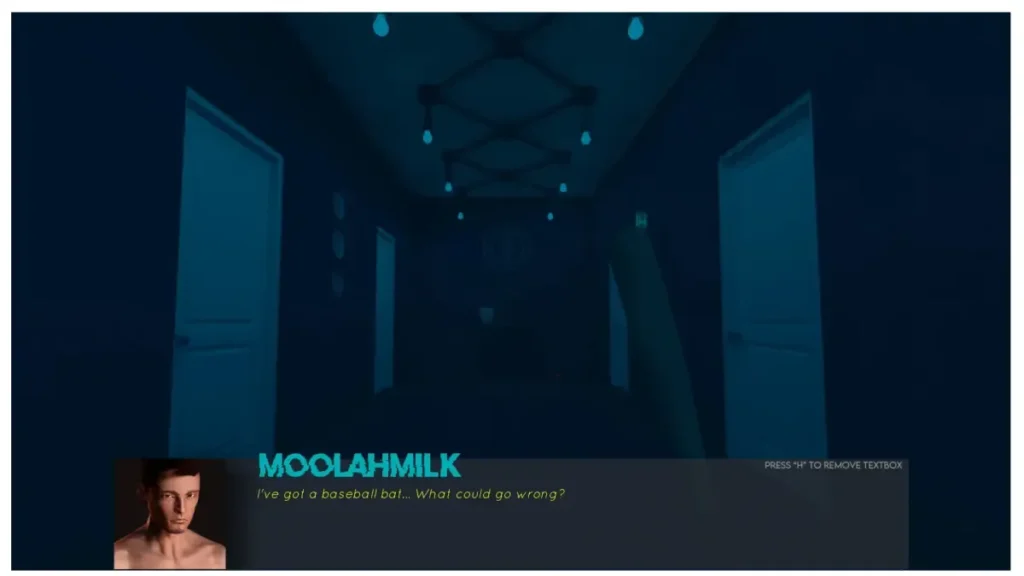
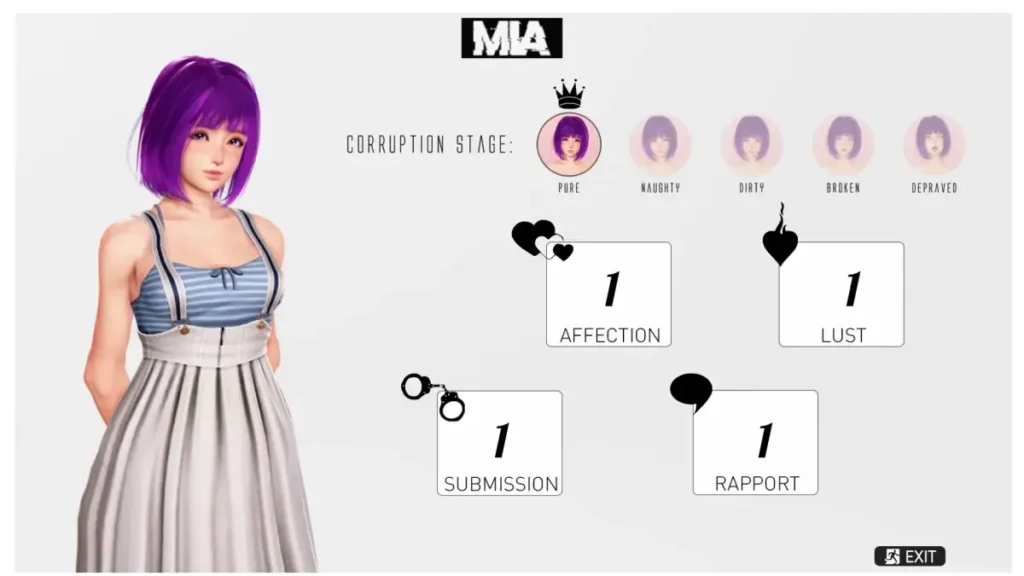

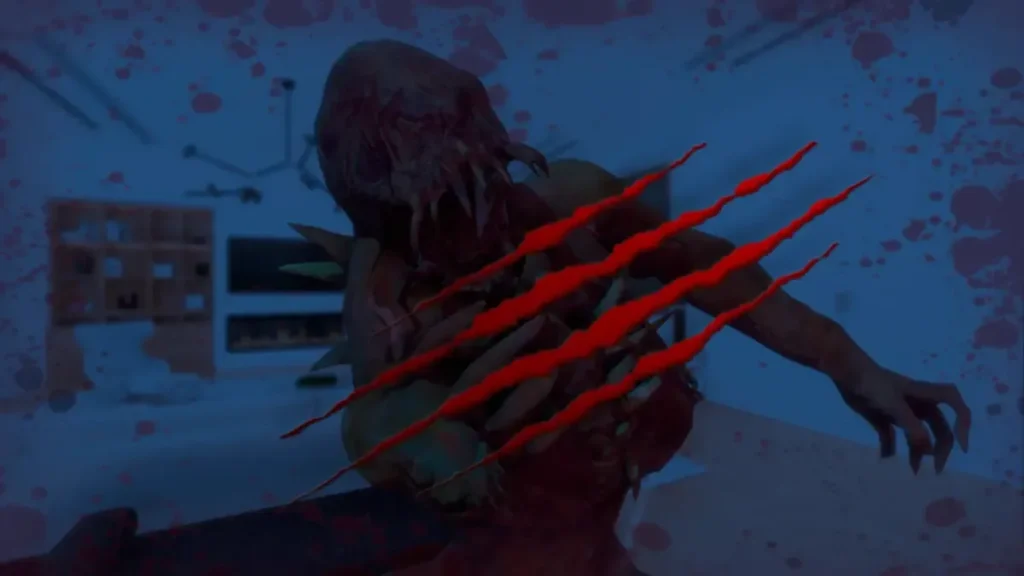

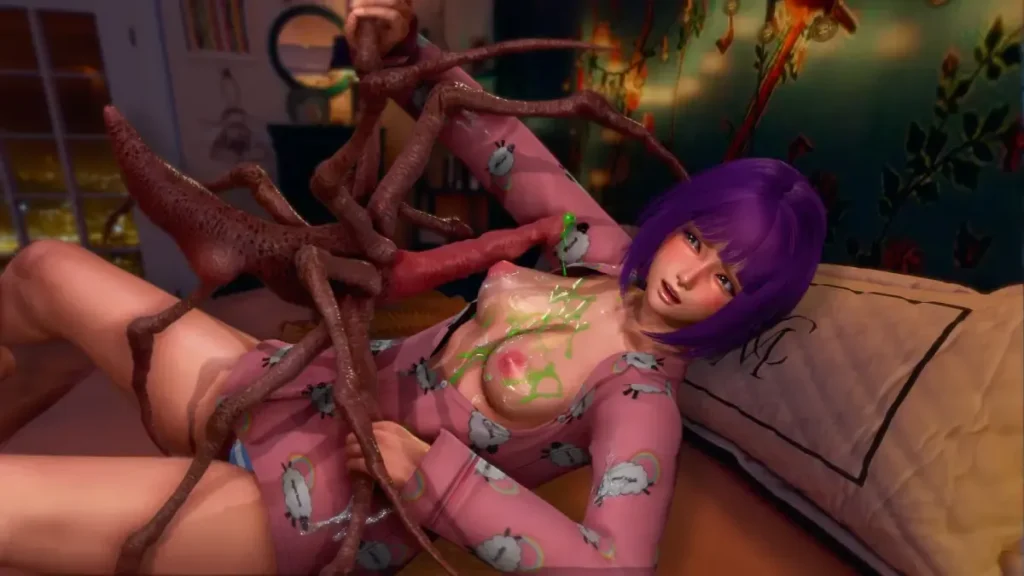

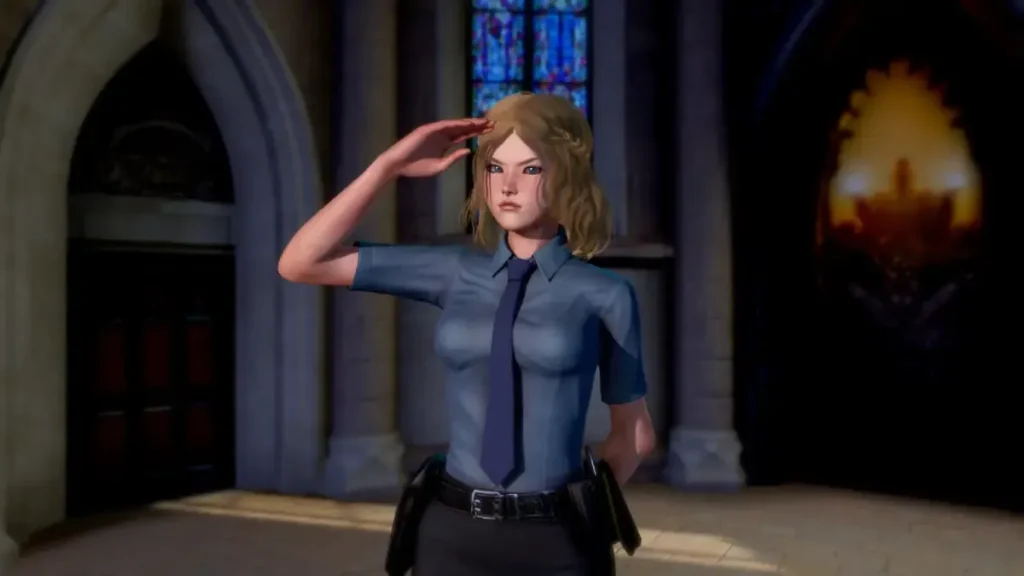
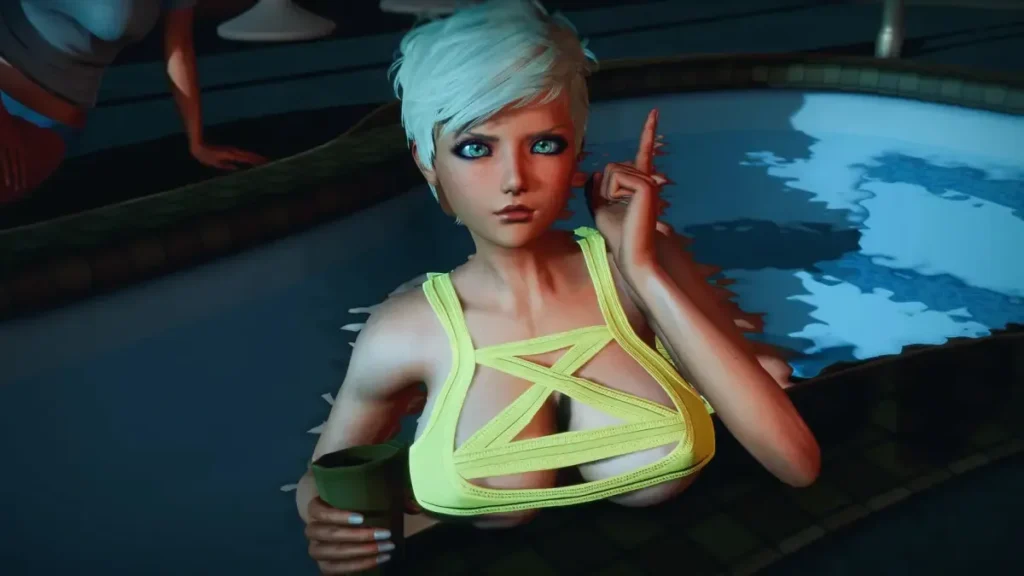






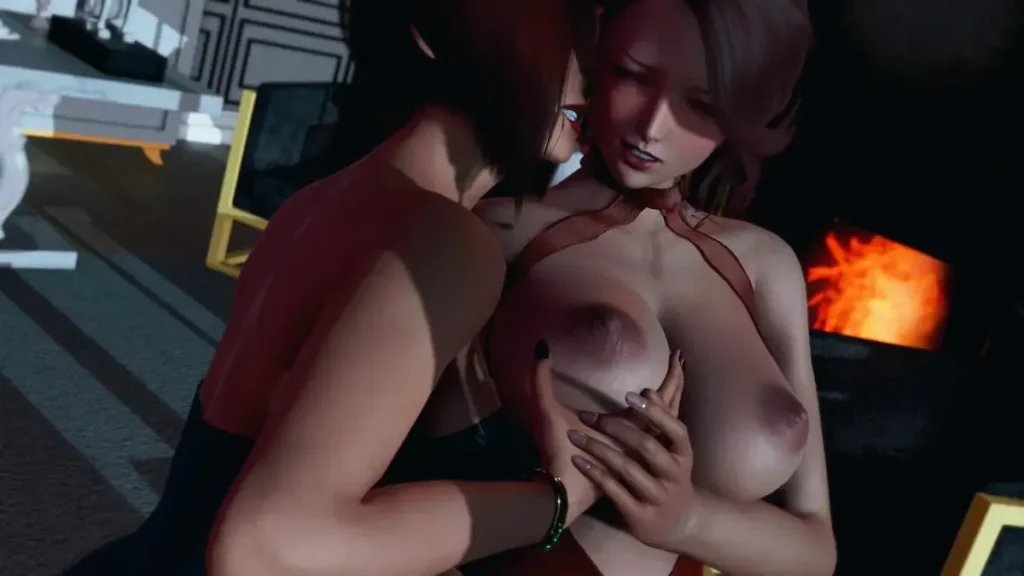


Deviant Anomalies review
Unpacking the Story, Characters, and Gameplay of Deviant Anomalies
Deviant Anomalies is a distinctive adult-themed interactive game that blends storytelling with immersive character-driven gameplay. This article dives deep into the game’s narrative, character development, and gameplay features, offering insights and practical advice for both newcomers and returning players. Whether you’re curious about the plot, want to understand character dynamics, or seek tips to enhance your experience, this guide covers all you need to know about Deviant Anomalies.
Exploring the Story and Characters of Deviant Anomalies
Let me tell you, I went into Deviant Anomalies expecting one thing and came out completely shaken by another. 🤯 On the surface, the premise might seem familiar in the realm of interactive story games: a protagonist drawn into a mysterious, unsettling world. But what unfolds is a masterclass in psychological tension and character-driven horror that has firmly stuck with me. This isn’t just a game you play; it’s an experience that lingers, largely thanks to its incredible narrative and the fragile, fascinating people who inhabit it.
The Deviant Anomalies story succeeds because it understands that true horror isn’t about jump scares, but about the slow unraveling of reality and the human psyche. It’s a journey that asks uncomfortable questions about desire, fear, and the anomalies within us all.
### What Makes the Plot Unique?
The Deviant Anomalies plot begins with a deceptively simple hook—an invitation to a secluded, enigmatic location that promises to fulfill deep-seated wishes. Sounds almost dreamlike, right? That’s the brilliant trap. 🪤 The narrative quickly subverts this promise, weaving a tapestry that feels equal parts psychological thriller and Lovecraftian mystery. The uniqueness lies in its atmosphere; a pervasive sense of dread is built not through gore, but through implication, unsettling environments, and the growing realization that the rules of this world are deeply, terribly wrong.
Where many stories are content with external conflict, this one turns the lens inward. The psychological themes in Deviant Anomalies are front and center, exploring concepts of obsession, fractured identity, and the cost of confronting one’s deepest self. The plot isn’t something that just happens to the characters; it’s a direct manifestation of their inner turmoils and hidden desires. This creates a powerful, intimate connection between the narrative’s events and the characters’ personal journeys. You’re not just watching a horror story unfold; you’re navigating the haunted landscape of their minds.
I remember a specific moment, deep into the game, where the environment literally seemed to pulse with a character’s anxiety. The walls breathed. That’s when I realized the Deviant Anomalies narrative depth wasn’t in documents or logs, but in the very fabric of its world.
This approach makes every revelation feel earned and deeply personal. The mystery of the setting is inextricably linked to the mystery of the self, creating a plot that is both expansive in its cosmic implications and heartbreakingly intimate in its human focus.
### Key Characters and Their Roles
The soul of this experience lies in its cast. The Deviant Anomalies characters are far from archetypes; they are beautifully flawed, vulnerable, and compellingly real. Their interactions aren’t just dialogue exchanges—they are the primary engine of the plot and the source of its most profound emotional beats.
You have your protagonist, who often serves as our anchor, but the true magic happens through their connections with the others they meet in this strange place. Each character embodies a different facet of the game’s central themes—whether it’s desperate longing, corrosive guilt, or the thirst for forbidden knowledge. Their motivations are rarely pure, often a tangled mix of noble intent and personal need, which makes every alliance feel precarious and every betrayal painfully understandable.
To help unpack this rich cast, here’s a look at some of the pivotal figures you’ll encounter:
| Character | Key Traits | Core Motivation | Role in the Story |
|---|---|---|---|
| The Seeker | Curious, resilient, introspective | To understand the anomaly and their own place within it | The player’s conduit; their choices and perspective shape the reality of the journey. |
| The Guardian | Enigmatic, weary, protective yet secretive | To maintain balance within the unstable environment, at any cost | Acts as guide and gatekeeper, blurring the line between ally and obstacle. |
| The Fractured | Volatile, emotionally raw, trapped in past trauma | To escape their pain or find someone to share its burden | Embodies the psychological damage the anomaly can cause; a walking warning and a source of pivotal clues. |
| The Scholar | Intellectually ravenous, morally ambiguous, obsessed | To decode the anomaly’s secrets, regardless of the consequences | Drives the lore and the dangerous pursuit of knowledge that threatens to unravel everything. |
👥 This ensemble creates a dynamic where every relationship is a thread pulling you deeper into the mystery. You’re not just solving puzzles; you’re navigating a web of human emotion that is just as complex and dangerous as the supernatural threats.
### Emotional Depth and Character Development
This is where Deviant Anomalies truly shines and sets a high bar for interactive story games. The character development in Deviant Anomalies is phenomenal because it feels earned and organic. These characters don’t just change; they are forged and sometimes broken by their experiences. The game isn’t afraid to present them in moments of utter vulnerability—crying, confessing, raging in fear. This emotional nakedness is what transforms them from pixels on a screen into entities you genuinely care about and worry for.
I felt this most acutely during quiet, non-horror moments. A shared memory, a moment of comfort offered in the dark, a confession of failure—these scenes carry more weight than any monster. 🫂 They build authentic connections, making the subsequent horror more impactful because you fear for them, not just yourself. The character development in Deviant Anomalies is directly tied to your choices and interactions, giving you a real sense of agency in their personal arcs. Will you help someone confront their demon, or enable their escape from it? The choice changes them, and in turn, changes the story’s trajectory.
This focus on emotional depth and character development creates an immersive feedback loop. You invest in the characters because they are well-written and acted, which makes you more engaged with the plot. Your engagement with the plot then leads to more profound character moments. It’s a narrative engine that feels deeply rewarding.
In the end, the Deviant Anomalies story and its unforgettable cast prove that the most powerful stories are about people. The cosmic horror and psychological twists are fantastic, but they are merely the backdrop against which these fragile, fighting, beautifully human dramas play out. The Deviant Anomalies narrative depth comes from understanding that before you can care about saving a world, you have to care about the people in it. And this game makes you care, deeply. It’s a haunting, emotional journey that redefines what a narrative in this genre can achieve. ✨
Deviant Anomalies offers a compelling blend of storytelling and interactive gameplay that stands out in its genre. Its unique narrative, enriched by well-developed characters and emotional depth, creates an engaging experience that goes beyond typical expectations. Whether you’re drawn to the story or the character dynamics, this game provides a memorable journey. Dive in and explore the layers of Deviant Anomalies to fully appreciate its creative approach and immersive world.