Culture Shock
Play Culture Shock
Culture Shock Screenshots









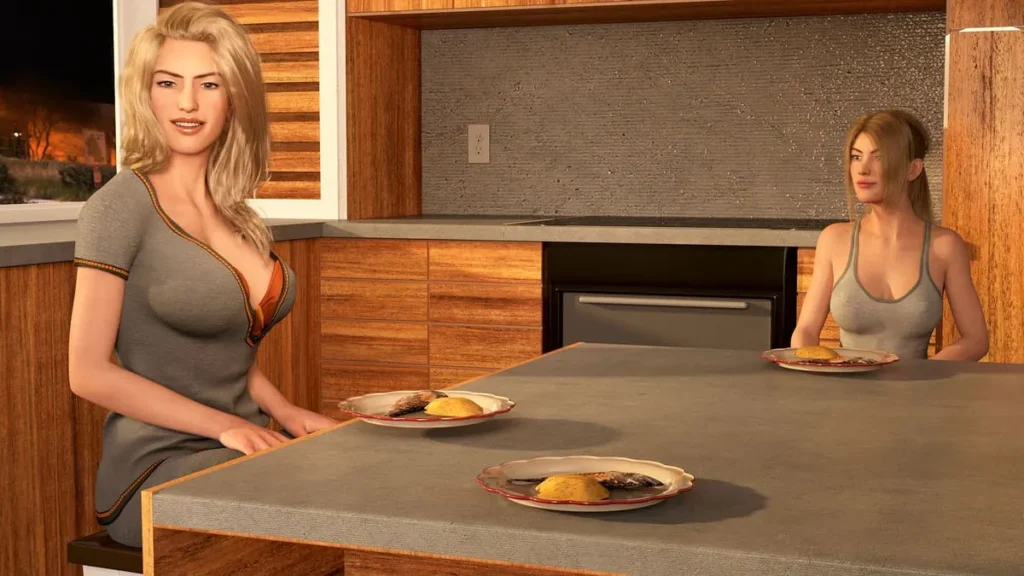

Culture Shock review
Explore the innovative mechanics, storyline, and player choices in this unique visual novel experience
Culture Shock stands out as a distinctive visual novel that combines narrative depth with innovative interactive mechanics. Developed by King of Lust, this game transports players to Hawaii where they navigate a transformative journey of personal growth and relationship building. Unlike traditional games in its genre, Culture Shock emphasizes authentic communication challenges, cultural adaptation, and meaningful player agency. Whether you’re curious about the game’s unique language system, story progression, or the various routes available, this guide provides everything you need to understand what makes this experience compelling and memorable for players seeking engaging visual novel gameplay.
Core Gameplay Mechanics: What Sets Culture Shock Apart
Let’s be honest: most visual novels play it safe. You click, you read, you pick an obvious dialogue choice, and the story chugs along a predetermined track. Culture Shock gameplay mechanics throw that entire playbook out the window. This isn’t just a story you watch; it’s an experience you survive and shape through its deeply interconnected systems. Arriving in Hawaii, your protagonist isn’t on vacation—they’re thrust into a new life, and every interaction, from a simple greeting to a deep conversation, is filtered through the exhausting, exhilarating reality of being an outsider. This chapter breaks down the brilliant systems that make this happen: a hands-on language learning system visual novel fans have never seen, a brutally relatable social energy system mechanics, and interactive dialogue choices game design that demands genuine observation.
At its heart, Culture Shock is about connection, and every tool in its kit is designed to make those connections feel earned, difficult, and profoundly rewarding. Forget passive reading; here, you work for every smile, every bit of trust, and every fragment of understanding. These mechanics don’t just serve the story—they are the story.
To see how these pillars work together, let’s look at their core functions and the unique emotional punch they deliver:
| Core Mechanic | How It Works | Emotional Impact on Gameplay |
|---|---|---|
| Dynamic Language Learning | Players manually log overheard words/phrases in a notebook, then experimentally use them in conversations. Context and grammar matter—using a word incorrectly has consequences. | Creates authentic cycles of frustration (“I know this word!”) and triumphant breakthrough (“They understood me!”). Makes every successful communication a personal victory. |
| Social Energy System | A “Social Battery” depletes with every interaction, whether successful or awkward. It must be recharged by seeking solitude, simulating the drain of constant cultural immersion and social effort. | Forces strategic choice in socializing. Perfectly mimics the introvert experience and the real exhaustion of being “on” in a new culture. Your need for space becomes a narrative driver. |
| Context-Dependent Dialogue | Your conversation options change based on what you’ve learned about a character, their mood, and your prior actions. There are no universally “correct” choices. | Makes relationships feel organic and earned. You must observe and remember personal details, rewarding attentive players with deeper, more meaningful interactions. |
Now, let’s dive into each of these groundbreaking systems and see how they transform the visual novel into a living, breathing test of your social intuition. 🏝️🧠
The Dynamic Language Learning System
Remember trying to learn phrases from a textbook, only to realize real people don’t talk like that? Culture Shock captures that perfectly. This isn’t a game where you magically unlock a “Spanish Level 2” perk. The language learning system visual novel approach here is granular, manual, and delightfully awkward.
You start knowing almost nothing. As you eavesdrop on conversations or have interactions with patient (or impatient) characters, new words and phrases pop up. The crucial step? You must manually write them down in your in-game notebook. This active recording is genius—it forces engagement and mimics the real mental effort of learning. That word for “good morning” (“aloha kakahiaka”)? You typed it in yourself. You own that knowledge.
The real test comes when you try to use it. The game’s interactive dialogue choices game philosophy means your notebook entries become selectable options in conversations. But here’s the catch: context is king. Using a formal greeting with a close friend might earn a weird look. Using a slang term you overheard from teens with an elder could be a major faux pas.
I once learned the word “pupuka” (ugly) from a couple of guys joking around. Thinking it was a harmless tease, I tried it on a local girl I was trying to impress after she showed me a drawing. The conversation didn’t just end; it nosedived. She was offended, and I had to spend days of in-game time rebuilding that tiny bit of trust I’d vaporized with one poorly chosen word. It was a brutal, brilliant lesson.
These moments of failure are as important as the successes. They create a genuine sense of risk and reward in every dialogue. When you finally string together a few correct words and see a character’s face light up with understanding, it feels like a real accomplishment. This system makes communication a core player agency visual novel mechanic—you aren’t just picking pre-translated options; you are building your own linguistic toolkit and dealing with the consequences, good and bad. It transforms the typical visual novel dialogue tree into a minefield of potential and peril, where every social breakthrough is hard-won. 🗣️➡️📓➡️😅
Social Energy and Character Interaction
If the language system tests your mental stamina, the social energy system mechanics test your emotional stamina. Culture Shock introduces a “Social Battery,” a resource that depletes with every single interaction you have. Say “aloha” to a neighbor? Battery goes down a tick. Have a tense conversation where you misuse a word? It drains a huge chunk. This isn’t a punishment; it’s a profound simulation of what it’s like to navigate a new social world, especially for introverts.
Your character gets socially exhausted, overwhelmed, and needs to recharge. How? By seeking solitude. You have to actively choose to go for a walk alone, retreat to your room, or just sit on the beach and stare at the ocean. This isn’t downtime; it’s essential gameplay. During these moments, the game allows for reflection, and the story’s atmosphere truly sinks in. It forces you to live the reality of cultural immersion—it’s not all exciting conversations and adventures; it’s often draining, requiring careful management of your own energy.
This system directly fuels the relationship building game mechanics. You can’t just spam conversations with your favorite character. You have to ask: “Do I have the social energy for this right now? Is this interaction worth potential exhaustion?” Maybe you skip a chance to hang out with the surfers because you’re too drained, which might mean missing a clue about a local secret. Or perhaps you push yourself to attend a luau, only to have your battery hit zero mid-way, resulting in your character becoming withdrawn or irritable, potentially damaging the relationships you’re trying to build.
It creates a beautiful, strategic layer to the Culture Shock gameplay mechanics. Your calendar isn’t just about plot events; it’s a resource-management puzzle. Balancing social ambition with necessary isolation makes your character feel profoundly human. This mechanic ensures that every connection has a cost, making the relationships that do blossom feel more valuable and authentic. You’ve literally invested your energy in them. ⚡😴➡️❤️
Non-Linear Story Progression and Player Agency
Throw away the concept of a main quest log. In Culture Shock, the story moves forward through the depth of your relationships, not the completion of tasks. This non-linear story progression model is a masterclass in player agency visual novel design. There’s no single path through Hawaii. Instead, the narrative unfolds based on which characters you choose to invest your precious time and social energy in.
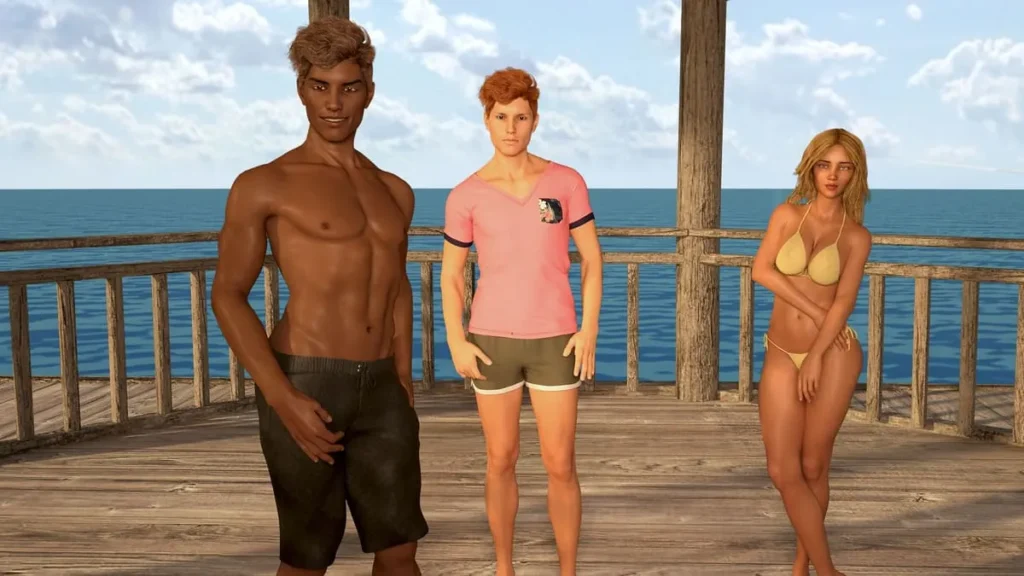
Each major character represents a different thread of the tapestry of your new life. Focusing on building a bond with the reclusive artist might unlock a storyline about local legends and family history. Investing time with the group of friendly beachgoers could pull you into the world of local customs and modern island life. The plot advances when you deepen these connections, which happens through the careful application of all the mechanics we’ve discussed: using language correctly, choosing context-appropriate dialogue, and managing your social battery to be present for key moments.
This is where the interactive dialogue choices game reaches its peak. Your choices don’t just give you “positive” or “negative” points with a character. They change what that character reveals about themselves, what opportunities they offer you, and ultimately, which version of the story you experience. Did you remember that Kai doesn’t like talking about his family? Bringing it up will shut down a conversation. Did you notice Leilani always wears a specific shell bracelet? Asking about it shows genuine observation and can open a deeply personal narrative branch.
The game famously offers three major route catalysts: the Harem route (focusing on deeper romantic connections), the Voyeur route (focusing on observation and understanding the community from a distance), and the Both route (a challenging path attempting to balance it all). Your early interactive dialogue choices game decisions and who you spend time with naturally steer you toward one of these narratives. There is no “select route” button—you live your way into it.
This fusion of systems creates an unparalleled sense of ownership. The story is yours. A frustrating language barrier moment in Week 1 might lead to a heartfelt apology in Week 3 that strengthens a bond. Choosing to recharge alone instead of going to a party might mean you miss a key event, but you might be mentally sharper for a crucial conversation the next day. This non-linear story progression ensures that no two playthroughs are the same, because no two players will have the same social stamina, make the same linguistic mistakes, or connect with the same characters in the same way. Your patience, your attention to detail, and your personal priorities as a player write the story. 🧭🌺➡️🎭
By weaving together the tangible effort of language learning, the draining reality of social energy, and the open-ended power of relationship-driven storytelling, Culture Shock delivers a visual novel experience that is as challenging as it is rewarding. Its gameplay mechanics don’t sit beside the narrative; they are the vehicle through which the narrative’s themes of isolation, adaptation, and connection are directly felt. You don’t read about the protagonist’s culture shock—you manage it, struggle with it, and ultimately, through your choices and perseverance, overcome it. This is the true genius of its design: making you feel every step of the journey, from lonely outsider to someone who might just find a place to call home.
Culture Shock represents an innovative approach to visual novel gaming, combining engaging narrative elements with unique interactive mechanics that prioritize player agency and meaningful choice. The game’s distinctive language learning system, social energy mechanics, and non-linear progression create an experience that feels fresh and rewarding compared to traditional titles in the genre. With multiple routes, diverse character relationships, and regular content updates, the game offers substantial replay value and reasons to explore different playstyles. Whether you’re drawn to the compelling storytelling, the innovative gameplay systems, or the freedom to shape your own narrative journey, Culture Shock delivers a memorable experience. For players interested in exploring this unique visual novel, diving into the game and discovering how your choices shape the protagonist’s transformation in Hawaii provides an engaging and immersive adventure worth experiencing.