AURA: Hentai Cards Screenshots
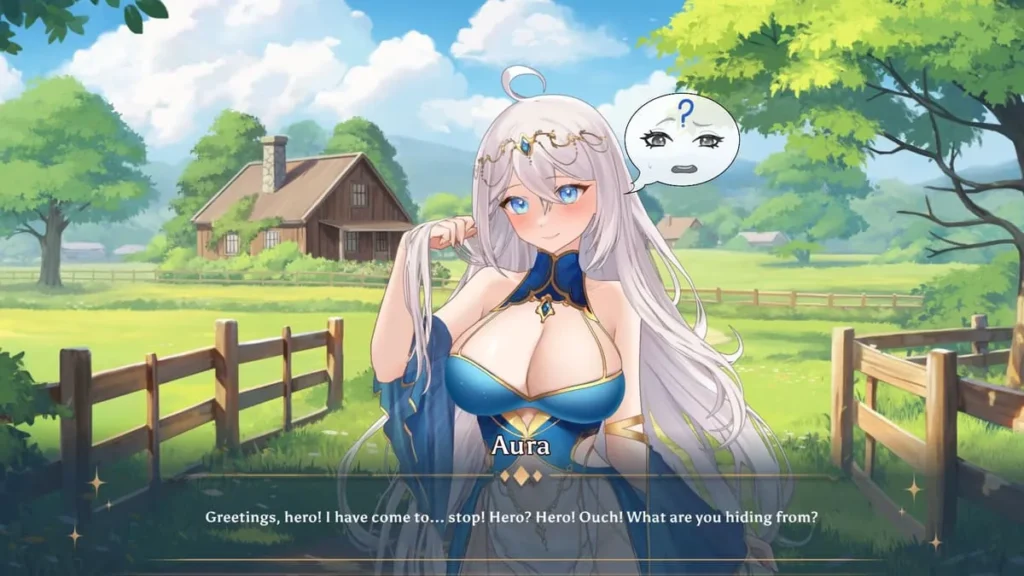
AURA: Hentai Cards review
A practical, story-driven look at AURA: Hentai Cards, its systems, and how to get the most fun out of this adult card RPG
AURA: Hentai Cards is an adult-themed card RPG that mixes strategic deck-building with character progression and visual fan-service. If you have ever wondered how this game actually plays beyond the screenshots, this guide breaks it down in simple, practical terms. I will walk you through how the card combat flows, what the town and map events really feel like, and how resource management shapes your runs. Along the way, I will share real examples of early mistakes, how I fixed them, and how you can squeeze more fun out of each session in AURA: Hentai Cards.
How AURA: Hentai Cards Actually Plays
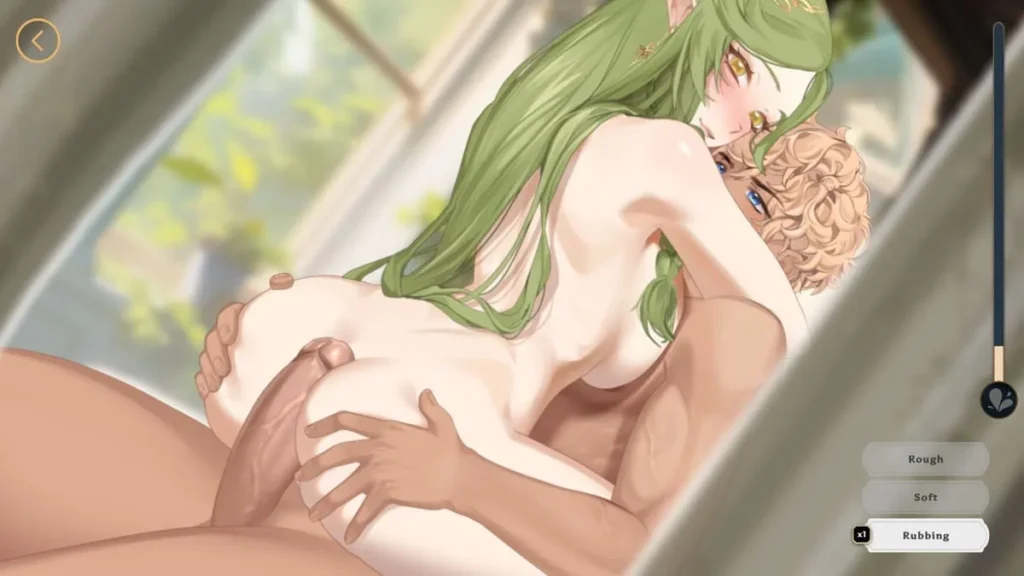
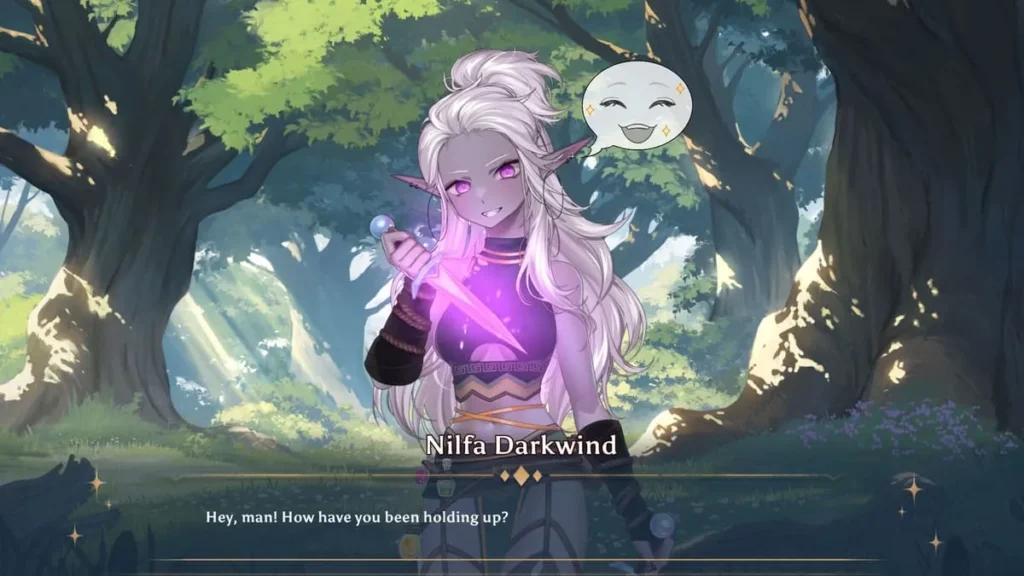
So you’ve seen the screenshots, the art, and you’re curious. But what is AURA: Hentai Cards actually like to play? Is it just a simple clicker dressed up with adult art, or is there a real game here? Let’s pull back the curtain. 🃏
At its heart, AURA: Hentai Cards is a focused adult card RPG. Think of it as a compact, story-driven experience built on three pillars: deck-building mechanics for your strategies, turn-based card battles for the challenge, and a light adventure layer that ties it all together with character moments. You won’t be exploring a vast open world; instead, you’ll manage resources, make strategic choices on a map, and dive into battles where your wits (and your deck) are tested. The adult scenes are a reward, but the engaging AURA: Hentai Cards gameplay is what will keep you hitting “start run” again and again.
What is AURA: Hentai Cards and how does it work?
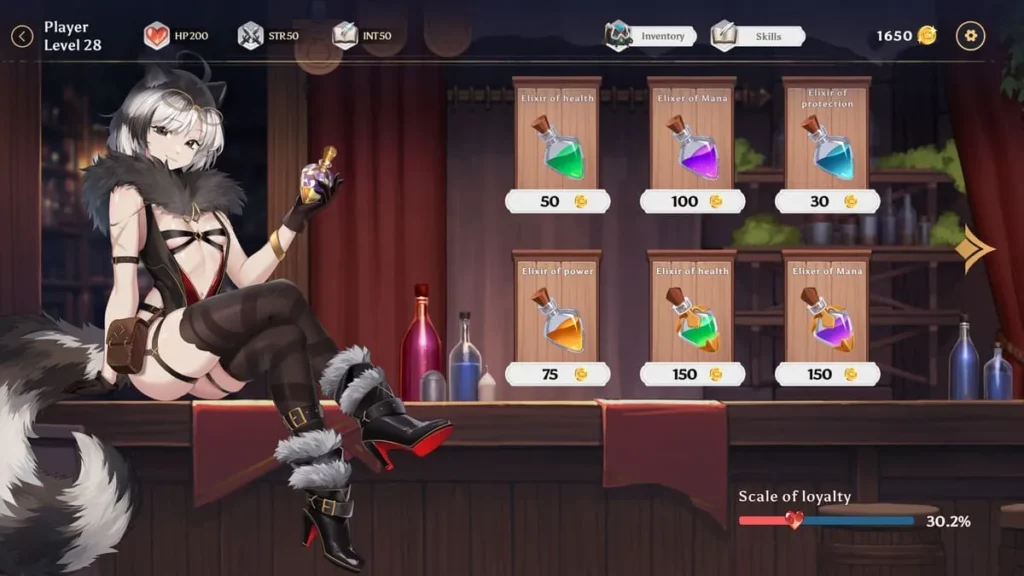
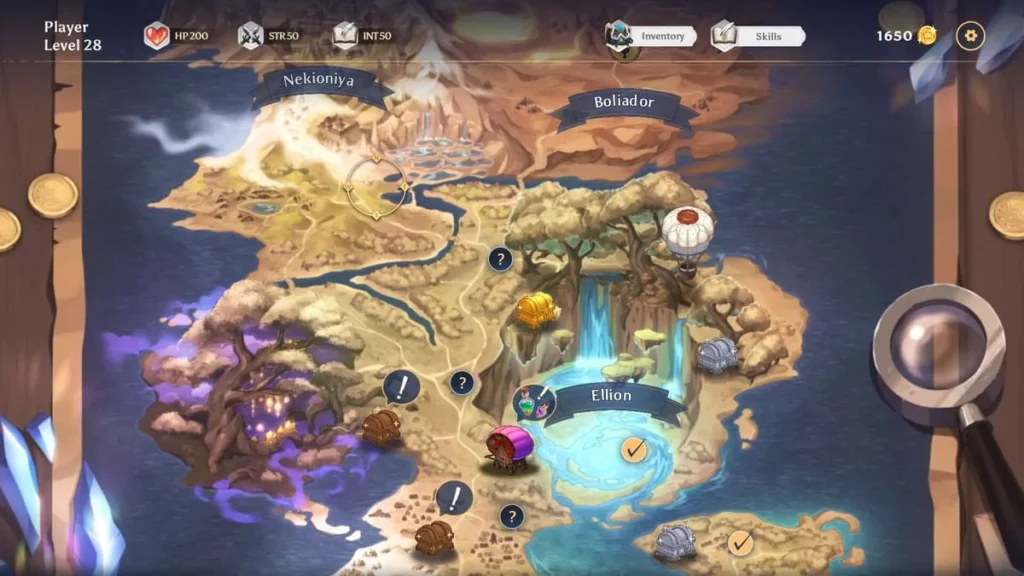
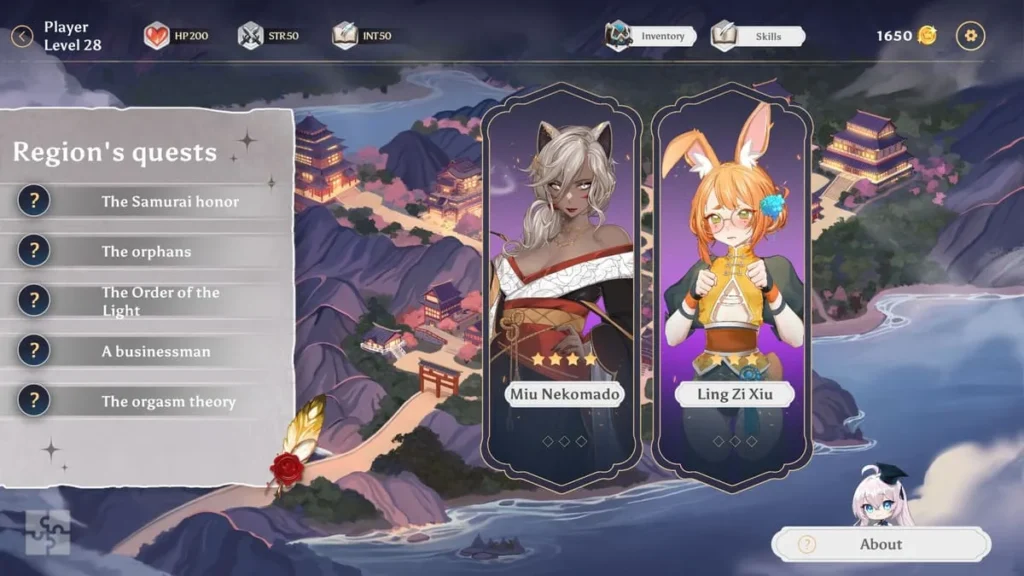
A typical session starts in the Town. This is your hub, your safe zone. Here, you’ll manage the core progression loop. You look at your current deck, maybe remove a basic card that’s been underperforming, or add a powerful new one you just unlocked. You’ll check your gold and decide: do I buy a healing potion, or save for that permanent upgrade? Then, you head to the map. This isn’t free exploration; it’s a node-based path where you choose your route, facing guaranteed battles, random events, shops, or maybe a story scene.
My first real run taught me everything I needed to know about the AURA: Hentai Cards how to play philosophy. I breezed through the tutorial, thought my starter deck was invincible, and charged into the first proper dungeon node. I didn’t read my new cards carefully. I saw a high damage number and spammed it, ignoring my defense options. The enemy, however, did not ignore theirs. By the third turn, I was out of good plays, my hand was clogged with situational cards I couldn’t use, and I watched my health bar vanish. I lost. It was a swift, humbling lesson: this game demands attention. You must read effects, plan a turn ahead, and respect your resources. It’s a proper game first.
The loop is compelling: Town -> Map -> Battle -> Rewards -> Back to Town. You earn new cards from victories and events, gain gold, and unlock permanent upgrades for your character that make future runs easier. Each attempt feels like progress, even when you fail, because you’re learning enemy patterns and deck synergies.
Core combat loop and card mechanics explained
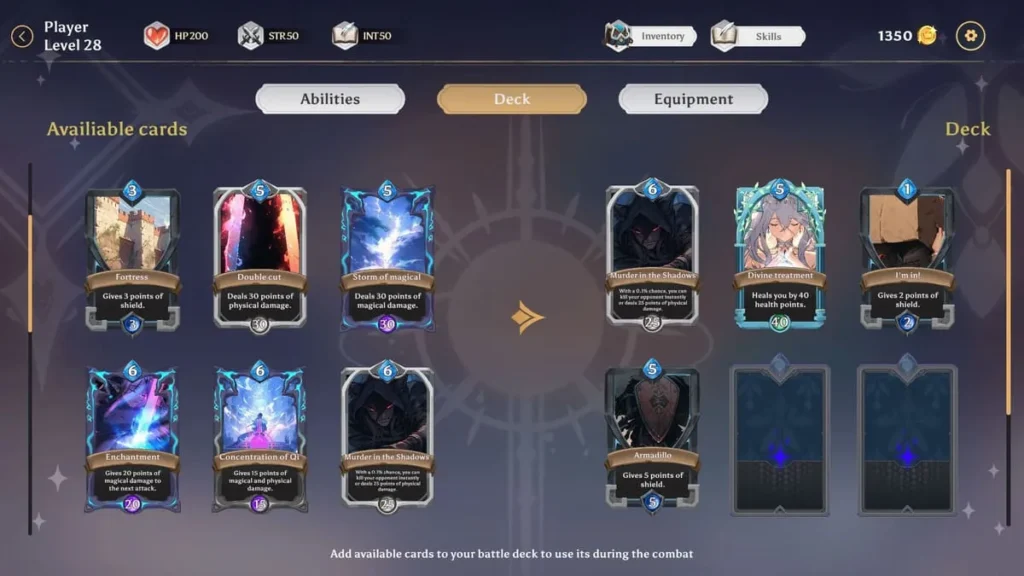
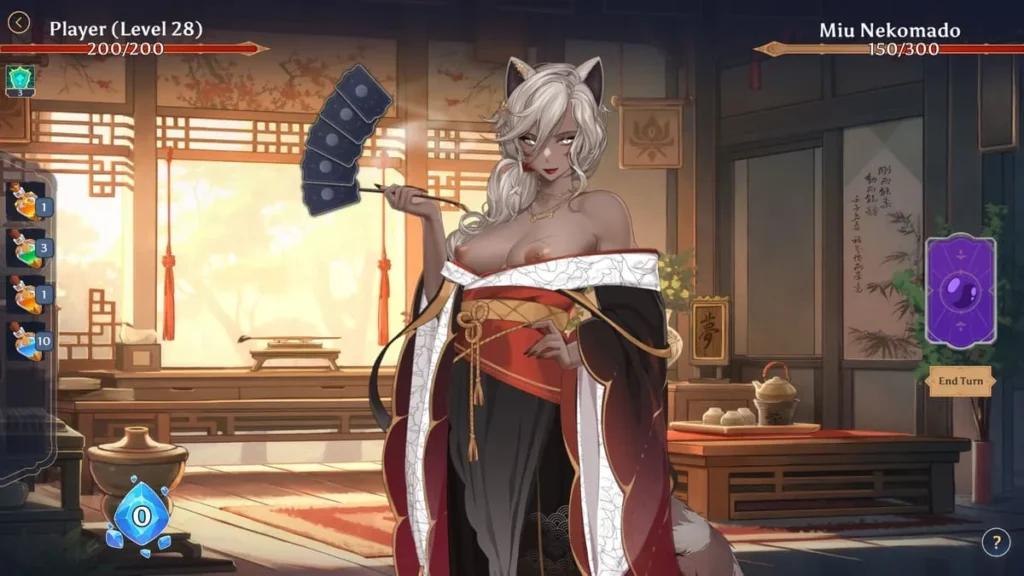
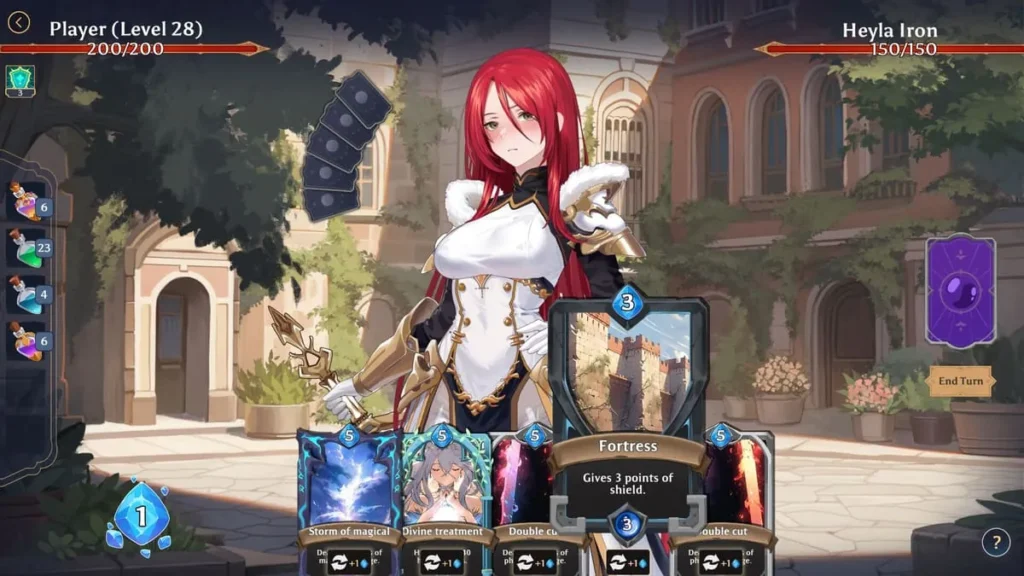
This is where AURA: Hentai Cards combat truly shines. Forget mindless clicking. Each battle is a puzzle. You start each turn with a fresh hand drawn from your deck and a pool of Energy (or a similar resource) that refreshes. Cards cost Energy to play.
You’ll quickly identify card types:
* Offensive Cards: Your direct damage dealers. Simple, but often less efficient than combos.
* Defensive Cards: Shield generators, damage blockers, or healing. Neglecting these is a fast track to failure.
* Utility/Support Cards: The engine of your deck. These might draw extra cards, apply debuffs like Weakness or Stun to enemies, or empower your next attack.
The magic isn’t in playing one powerful card; it’s in card synergies. For example, a card that says “Draw 1 card. If you discard a card this turn, gain 2 Shield.” Suddenly, you’re looking at cards with “Discard this to do X” effects. You can create loops where you cycle through your deck rapidly, generating shields and fuel for bigger attacks. The community often talks about builds like “shield-stacking” or “stun-lock” chains that can feel overpowered—because when you discover a synergistic combo, it’s incredibly satisfying.
There’s always a risk-reward balance. A card might deal massive damage but add a “Vulnerable” debuff to you next turn. Do you take the hit now and risk a counter-attack, or play it safe?
Personal Insight: The biggest shift in my playstyle came when I stopped just looking at damage numbers and started reading the entire text on every card. A card that deals mediocre damage but applies “Weakness” (reducing enemy attack) can be far more valuable over a long fight than a plain high-damage option.
Let’s walk through a concrete, early-game turn sequence to see AURA: Hentai Cards gameplay in action:
- Turn 1: My hand has a basic Strike (costs 1, deals 5 damage), a Defend (costs 1, gives 4 Shield), and a “Goad” card (costs 0, applies 1 Weakness to the enemy, then draws a card). I have 3 Energy. I play Goad first—it’s free, weakens the enemy’s next attack, and draws me a new card: another Strike. I then play Defend and one Strike, saving 1 Energy. The enemy attacks for 6, but my 4 Shield absorbs most of it. I took only 2 damage.
- Turn 2: My hand is now refreshed. I see a combo potential. I have a card that says “Deal 3 damage. If the enemy is Weak, draw a card.” The enemy is Weak from last turn! I play it, draw into a powerful skill, and set up a bigger play for next turn. This small interaction—setting up a condition one turn to enable a bonus the next—is the core strategic joy of the AURA: Hentai Cards combat system.
The system encourages active planning, not reactive button-mashing. You manage your hand, your discards, and your draw pile almost as much as your health bar.
Town, map events, and progression pacing
The adventure layer outside of battle provides the context and the crucial resource tension. Your time is split between two main modes:
- In Town: You heal, upgrade your character’s core stats, edit your deck (adding/removing cards), and purchase permanent unlocks.
- On the Map: You navigate a path of nodes, choosing between battles (for rewards), events (for risks/stories), shops (to spend gold), and rest sites (to heal).
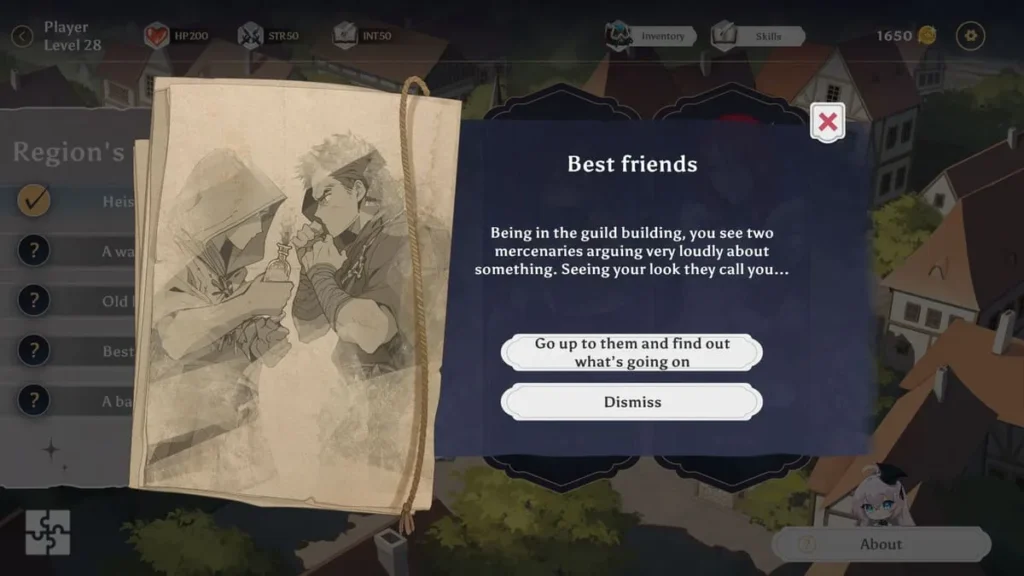
The town and map events are where the game’s story breathes and where your resource management is tested. You might encounter a visual-novel style event where a character asks for help. Your choice could reward you with a rare card, a chunk of gold, or… nothing but a funny scene. Sometimes, a “bad” choice can lock you out of a useful item, which adds a layer of tension and replayability.
Your gold is the lifeblood of progression, and it’s fiercely contested. This creates the central strategic tension:
| Gold Spending Option | Short-Term Benefit | Long-Term Risk |
|---|---|---|
| Buying Healing Potions | Survive the next dungeon. | Less gold for permanent upgrades, making every future run slightly harder. |
| Buying a Key/Card Removal | Refine your deck now for immediate power. | May leave you without funds for healing in a tough spot. |
| Saving for Town Upgrades | Permanent stat boosts that help forever. | Current run is more difficult due to lack of consumables. |
I learned this the hard way. In one run, I was terrified of dying. I bought every healing potion I saw and spent gold to remove minor flaws from my deck at every stop. I reached the final dungeon boss with a sleek deck and a bag full of potions… but my base health and damage were pitiful because I’d invested nothing in town upgrades. The boss’s attacks were overwhelming. I burned through all my potions in a long, grueling fight that I ultimately lost. My mistake was prioritizing the current run’s comfort over my overall progression. It was a perfect mini case study in how the town and map events system punishes poor resource allocation.
This pacing is what defines the AURA: Hentai Cards experience. It’s a cycle of planning, execution, and consequence, punctuated by rewarding character scenes. The deck-building mechanics provide deep, satisfying combat, while the meta-progression through the town gives you a tangible sense of growth across sessions. In my AURA: Hentai Cards review of the gameplay systems alone, it’s clear: this is a thoughtfully designed adult card RPG that respects your intelligence as a player. You’re here for the art, but you’ll stay for the engaging, strategic challenge of mastering its cards and conquering its maps.
AURA: Hentai Cards offers more than just eye-catching art; it wraps its adult appeal inside a surprisingly engaging card combat and progression system. Once you understand how battles flow, how town and map events shape your choices, and how easily mismanaging gold or cards can derail a run, the game becomes much more rewarding. If you are curious about adult card-based adventures and enjoy tinkering with builds, AURA: Hentai Cards is worth exploring with a bit of patience. Approach your first few runs as experiments, learn from your missteps, and you will quickly find a rhythm that makes each new encounter feel satisfying rather than stressful.